
How To
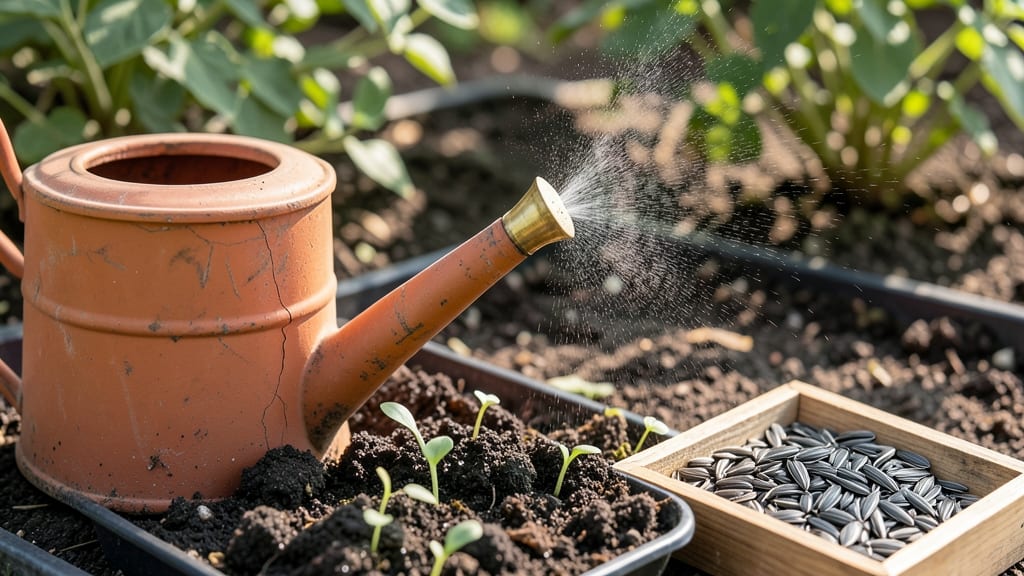
To get your sunflower seeds 🌻 sprouting consistently, you need to water them just right—too much drowns them, too little leaves them dry and lifeless.
This delicate balance is the key to unlocking those towering blooms you’ve been dreaming of, and getting it wrong can mean the difference between a thriving garden and wasted effort.
Most beginners struggle with this step, unsure whether their seeds are getting enough moisture or if they’re being overwatered. The truth is, sunflower seeds need consistent dampness during germination, but not soggy soil.
I’ll walk you through the exact watering schedule, from planting to those first green shoots, so you can avoid the most common mistakes that kill seeds before they even sprout.
Whether you’re planting in USDA Zone 6a or adjusting for your local climate, understanding how often to water sunflower seeds is about more than just a spray from the hose.
We’ll cover how soil type, container size, and even humidity levels change what your seeds need—plus how to spot the signs of overwatering or underwatering before it’s too late.
By the end, you’ll know exactly when to reach for the watering can and when to hold back, ensuring your sunflowers grow strong from day one. Let’s make sure your seeds get the perfect start they deserve.
The exact watering schedule for sunflower seed germination (day-by-day)
Sunflower seeds require precise moisture control during germination—think of it like Goldilocks: not too wet, not too dry, but just right. The first 7-14 days after planting are critical, as seeds need consistent dampness to break dormancy.
I’ve learned the hard way that skipping this step or overzealous watering can turn your dreams of towering sunflowers 🌻 into a sad, shriveled mess.
Your goal is to maintain 60-70% soil moisture during germination. This means the soil should feel like a wrung-out sponge—damp but not soggy. Too much water cuts off oxygen, while too little prevents the seed from absorbing moisture to sprout.
Let’s break down the exact schedule, including how to adjust for your specific conditions.
Plant seeds 1 inch deep in well-draining soil. Water immediately after planting to settle soil around seeds.
💧 Action: Use a spray bottle or gentle watering can to apply 1/4 inch of water (about 60ml for a 6-inch pot).
Check soil moisture daily. The top 1/2 inch should feel moist but not wet.
💧 Action: Water every 1-2 days with 2 tbsp of water per seed (or 120ml for a 6-inch container).
⚠️ Test: Stick your finger 1 inch deep—if dry, water immediately.
Seeds should sprout within 7-14 days. Once sprouts appear, reduce frequency slightly.
💧 Action: Water every 2-3 days with 1/4 inch of water (50ml per seed or 300ml for a 6-inch pot).
🌱 Sign: If leaves appear wilted or yellow, increase moisture slightly.
Seedlings now need 1/2 inch of water per week, split into 2-3 waterings.
💧 Action: Water every 3-4 days, aiming for soil 1 inch deep to stay moist.
☀️ Tip: Water in the morning to prevent fungal risks from evening moisture.
🪴 Containers: Dry out faster—check moisture daily and water every 1-2 days.
🌱 Garden Beds: Retain moisture longer—water every 3-4 days unless soil is sandy.
🔥 Hot/Dry Climates: Water daily in short bursts to avoid evaporation.
🌧️ Humid/Rainy: Reduce to every 3-4 days—overwatering is a bigger risk.
Temperature plays a huge role in how often you need to water. Sunflower seeds germinate best in 70-85°F soil, but if your garden runs cooler, reduce watering slightly—cold soil holds moisture longer.
I once planted seeds in 55°F soil and nearly drowned them because I assumed the same schedule as warmer conditions. Always check soil temperature with a soil thermometer if you’re unsure.
Another pro tip: use a humidity dome or plastic wrap over containers to retain moisture, especially in dry indoor environments. Remove it once sprouts appear to prevent fungus gnats or mold. I’ve seen beginners swear off sunflowers after their seeds rotted under plastic—don’t let that be you!
Watch for these red flags: if the soil feels cold and clumpy, it’s overwatered; if it’s dry and crumbly, it’s underwatered. The key is consistency—sunflower seeds hate moisture fluctuations.
Once you hit this rhythm, your seeds will sprout within 7-14 days, and you’ll be on your way to those iconic 10-foot stalks.
Remember, every garden is unique. If you’re planting in sandy soil, water more frequently; if you’re in clay soil, space out waterings. The step-by-step schedule above is your baseline, but always adjust for your conditions.
With this approach, your sunflower seeds will thank you with vigorous growth from day one. 🌱
Common watering mistakes that kill sunflower seeds before they sprout
Sunflower seeds are surprisingly delicate during germination, and even small watering errors can spell disaster. The most critical mistake I see is overwatering, which creates a suffocating environment that prevents oxygen from reaching the seeds.
When soil stays too wet, seeds often rot before they even begin to sprout. On the other hand, underwatering leaves seeds dry and hard, making them unable to absorb moisture and trigger germination.
Another silent killer is soil compaction from heavy watering or walking on newly planted beds. Compacted soil blocks root development and prevents seeds from establishing the initial roots they need. Even well-meaning gardeners can accidentally compact soil by watering too forcefully or using a heavy hose nozzle.
The result? Seeds struggle to push through the dense surface layer, leading to poor or uneven germination.
🚨 callout-warning 🚨
⚠️ How Often to Water Sunflower Seeds
Keep soil consistently moist (like a damp sponge) but never soggy. Water once daily with a gentle spray or every other day if using a watering can. Test moisture by pressing your finger 1 inch deep—it should feel damp, not dry or muddy.
Avoid watering at night to prevent fungal risks. Use a fine mist or drip irrigation to avoid displacing seeds.
One of the first signs of overwatering is a foul smell from the soil, which indicates anaerobic conditions where seeds can’t breathe. You might also notice mold or white fuzzy growth on the soil surface.
In contrast, underwatered seeds will appear shriveled or fail to soften, even after days of planting. If you’re unsure whether your seeds are getting enough water, perform the finger test: press your finger 1 inch deep into the soil. If it feels dry, it’s time to water.
To fix a soggy seed bed, stop watering immediately and let the soil dry out slightly. Gently loosen the top inch of soil with a small hand fork or your fingers to improve aeration.
For dry seed beds, water deeply but slowly to encourage moisture penetration without creating runoff. A shallow watering will only moisten the surface, leaving deeper seeds parched. Aim for a slow, steady soak that reaches at least 2 inches deep.
Container gardening adds another layer of complexity. Seeds in pots dry out faster than those in garden beds, so check moisture more frequently. If you’re using seed trays, place them in a shallow tray of water for 10 minutes to ensure even moisture distribution.
Avoid letting pots sit in standing water, which can lead to root rot before seeds even sprout. The key is balance—keep the soil moist but never waterlogged.
If your sunflower seeds aren’t sprouting after 10–14 days, it’s time to diagnose. Check for overwatering (mold, foul odor) or underwatering (dry, crusty soil). Adjust your approach immediately, as seeds can remain dormant for weeks if conditions aren’t right.
With the right moisture balance, you’ll see those first green shoots in just a few days—proof that your sunflowers are on their way to reaching for the sky! 🌱