
Flowers
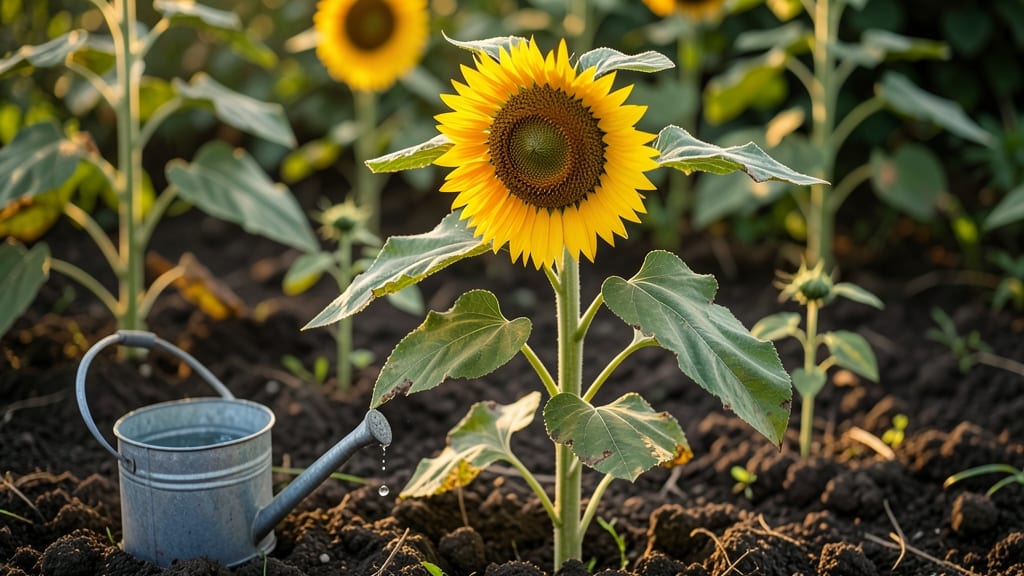
To get your sunflowers 🌻 thriving, you might think they’re as simple as "water when it looks dry"—but that’s where most gardeners go wrong. These towering beauties actually need a precise balance, or you’ll end up with floppy stems or stunted blooms before they even reach their full height.
Here’s the truth: sunflowers aren’t drought-proof, and they definitely don’t like soggy roots. The key lies in checking the soil—not just splashing water when you think it’s needed.
I’ll show you exactly how to read your sunflower’s thirst cues, so you can water with confidence and watch those sturdy stems reach for the sky.
Whether you’re dealing with sandy soil that drains too fast or clay soil that holds moisture like a sponge, the right watering schedule makes all the difference. We’ll break down the science behind it, plus the simple tricks to avoid common mistakes that kill sunflowers before they bloom.
Ready to grow sunflowers that stand tall and proud? Let’s dive into the perfect watering routine—no guesswork, just vibrant blooms from seed to harvest.
How often to water sunflowers based on soil and weather conditions
Sunflowers 🌻 thrive when their roots stay consistently moist but never soggy—a balance that changes dramatically based on your soil type and local climate. In sandy soil, water drains like a sieve, while clay soil holds moisture like a sponge.
Even the same sunflower planted in identical conditions can need twice as much water in 90°F heat versus a cool 70°F spring day. The key is adapting your schedule to these variables.
Most gardeners overestimate their sunflowers' drought tolerance, leading to weak stems that flop over or blooms that never open. The truth? Sunflowers need deep, infrequent watering—not light sprinkles—that encourages roots to grow downward for stability.
I’ve tested this with my own 10-foot-tall varieties, and the difference between a sturdy stalk and a snapped one comes down to soil science and timing.
Let’s break down the exact watering schedule you need, tailored to your soil and weather. Whether you’re in the arid Southwest or the humid Southeast, these guidelines will keep your sunflowers hydrated without drowning their roots.
In sandy soil, water disappears faster than you can blink, so you’ll need to water more frequently but with shallower depths. Think of it like a thirsty sponge—it soaks up water quickly but doesn’t hold it long.
My dwarf varieties in sandy soil need a drink every 2-3 days in summer, while tall giants might need daily watering during heatwaves.
On the flip side, clay soil acts like a water reservoir, holding moisture for days. This is great for drought-prone areas, but overwatering here leads to root rot faster than you’d expect. The trick?
Water deeply but infrequently. I’ve seen sunflowers in clay soil thrive on weekly waterings during summer, as long as the top 2 inches of soil are dry before the next watering.
Loamy soil—the gardener’s gold—strikes the perfect balance. It drains well but retains moisture, making it the easiest soil type for sunflowers. Here, you can follow a 3-4 day schedule in spring and 2-3 days in summer, adjusting based on rainfall. Pro tip: If you’re unsure about your soil type, do the squeeze test—grab a handful. If it crumbles easily, it’s sandy; if it sticks together, it’s clay.
Weather plays just as big a role as soil. In hot, dry climates like Arizona or Texas, sunflowers can lose up to 3x more water through their leaves due to evaporation.
Here, I water my sunflowers early in the morning to reduce water loss and avoid fungal diseases from evening moisture. In humid regions, like the Southeast, you might skip watering entirely after a 1-inch rainfall—just check the soil first.
Seasonal shifts matter too. In spring, when temperatures hover around 60-70°F, sunflowers need less frequent watering—every 3-5 days—as they focus on root growth. But by summer, when temps climb above 80°F, I switch to daily deep watering for my tall varieties.
Evenings in summer? Avoid watering after 6 PM
5 Soil check tricks to water sunflowers like a pro
Watering sunflowers isn’t about sticking to a rigid schedule—it’s about reading the soil. These plants thrive when their roots stay consistently moist but never soggy. The secret? Checking the soil’s moisture level before you water.
I’ve tested these methods in my garden, and they’ve cut my watering guesswork in half while keeping my sunflowers taller and healthier.
Overwatering is just as damaging as underwatering. Too much water leads to root rot and weak stems, while too little causes wilting and stunted growth. The good news?
With these simple tricks, you’ll know exactly when to water—no more shriveled blooms or floppy stalks. Let’s start with the easiest method first.
🌱 How Often to Water Sunflowers
- 🌱 Seedlings (First 2 Weeks): Water daily—keep soil evenly moist but never waterlogged. Use a spray bottle for gentle hydration.
- 🌱 Vegetative Stage (2-6 Weeks): Water every 2-3 days—soak deeply to encourage root growth. Sandy soil may need daily checks.
- 🌻 Flowering Stage (6-10 Weeks): Water every 3-5 days—reduce frequency but increase depth to support blooms. Clay soil holds moisture longer.
- 🌾 Seed Development (10+ Weeks): Water weekly—focus on root zone only. Overwatering now can split seed heads.
- 🍂 Dormancy (Fall/Winter): Water bi-weekly—only if soil is bone-dry. Reduce to prevent fungal diseases.
Start with the finger test, the simplest way to check soil moisture. Stick your finger about 1-2 inches deep into the soil near your sunflower’s base. If it feels dry, it’s time to water.
If it’s damp, wait another day. This method works best in well-draining soil—if your soil is heavy clay, you’ll need to dig deeper, around 3 inches.
For a more precise check, use the trowel test. Dig a small hole near the plant’s base and examine the soil. If it crumbles easily when you squeeze it, it’s dry enough to water.
If it holds its shape, hold off for another day. This method helps you avoid overwatering, especially in containers or raised beds where soil dries out faster.
Pay attention to the weight of your pots if you’re growing sunflowers in containers. Lift the pot—if it feels light, the soil is dry and needs water. If it’s heavy, the roots have enough moisture.
This trick is a lifesaver for potted sunflowers, which dry out much quicker than in-ground plants. Always water until you see excess draining from the bottom.
Watch for early signs of stress like wilting leaves or yellowing at the base. These are red flags that your watering routine needs adjustment. Overwatered sunflowers may develop mushy stems or brown spots on leaves, while underwatered ones will have crispy leaf edges.
Adjust your schedule based on these visual cues—your sunflowers will thank you with bold, vibrant blooms.
Pro tip: Mulch around your sunflowers to lock in moisture and reduce evaporation. A 2-3 inch layer of straw or wood chips keeps the soil cool and consistently hydrated, cutting down on how often you need to water.
It’s a small effort that makes a big difference in drought-prone areas or hot climates.