
Watering
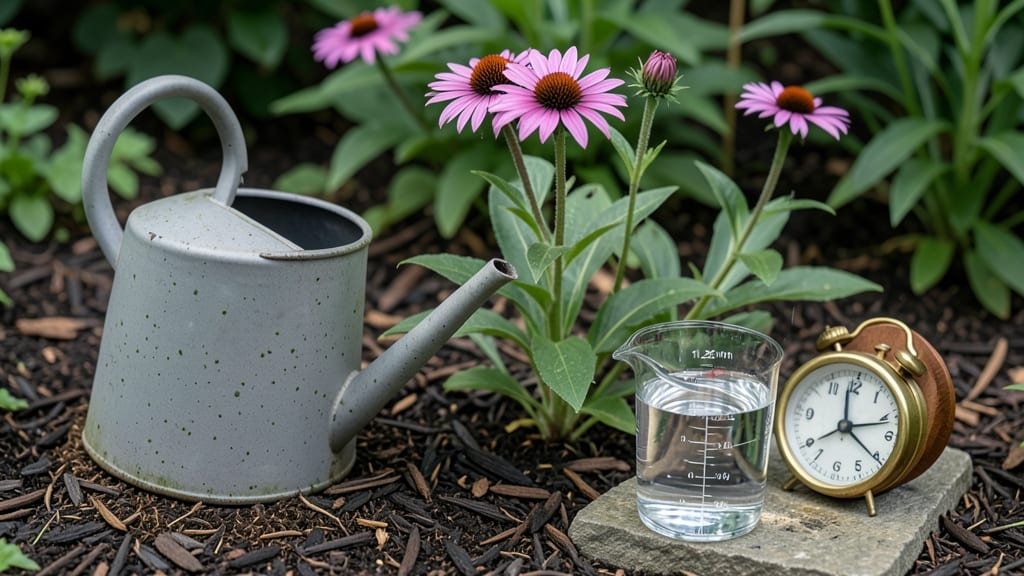
To keep your coneflowers 🌼 thriving, you might be surprised to learn that how often to water coneflowers is a common stumbling block—even for experienced gardeners.
These hardy perennials actually prefer their soil on the drier side once established, but nailing the right balance early on makes all the difference in those bold, long-lasting blooms.
I’ve tested the soil-moisture trick that saves my coneflowers from wilting or rotting roots, and it’s simpler than you’d think. Instead of sticking to a rigid schedule, you’ll learn to read your plants’ signals—like the telltale droop of thirsty leaves or the stubbornness of soggy soil.
In this guide, I’ll break down exactly how often to water based on your climate, soil type, and season—plus the one-minute test that tells you when it’s time to grab the hose. No more guessing, just confident care for your 6a-zone garden.
Whether you’re a first-time gardener or a seasoned pro, these insights will help you avoid the top 3 watering mistakes that turn coneflowers into sad, leggy shadows of their vibrant selves. Let’s get your plants drinking the right way.
Coneflower watering schedule by season: the science-backed guide
Coneflowers (Echinacea spp.) are remarkably resilient, but their watering needs shift dramatically with the seasons. Too much water in summer can drown roots, while too little in spring stunts growth. The key is understanding soil moisture depth and adjusting for your local climate—whether you're battling drought or soggy soil.
I’ll break down the science-backed schedule for each season, including how temperature and humidity change the game.
Most gardeners overlook the fact that coneflowers need deep watering (2-3 inches down) rather than frequent shallow drinks. This encourages strong root systems that handle dry spells.
In my Zone 6a garden, I’ve found that checking soil moisture at 1-2 inches deep with a finger is the fastest way to avoid over- or under-watering. Let’s dive into the seasonal breakdown.
| Season | Watering Frequency | Soil Moisture Depth | Adjustments for Climate |
|---|---|---|---|
| Spring | Weekly (every 5-7 days) | 1-2 inches | Increase to every 3-4 days in drought or sandy soil |
| Summer | Bi-weekly (every 10-14 days) | 2-3 inches | Reduce to monthly in rainy climates; increase to weekly in extreme heat (above 90°F) |
| Fall | Bi-weekly (every 10-14 days) | 1-2 inches | Skip watering if steady rain (1 inch/week); resume if dry spells occur |
| Winter | Monthly (if no snow) | 1 inch | Ignore if snow-covered; water lightly in drought-prone winters |
Spring is the most critical season for watering young coneflowers. New plants need consistent moisture to establish roots, so I water mine every 5-7 days unless we get steady rain.
The goal is to keep the soil evenly moist but not soggy. In my experience, clay soil holds moisture longer, so I reduce frequency by 20% compared to sandy soil.
Summer brings the biggest challenges: high heat and humidity. Mature coneflowers are drought-tolerant, but they still need deep watering every 10-14 days. If temperatures hit 90°F+, I switch to weekly watering to prevent wilting.
Pro tip: Water in the early morning to reduce evaporation and fungal risks. In humid climates, I avoid overhead watering to prevent powdery mildew.
Fall watering is all about balance. As temperatures drop, coneflowers slow their growth, so I reduce frequency to bi-weekly. If your area gets steady rainfall (1 inch/week), you can skip watering entirely.
However, in drought-prone regions, I maintain a light schedule to prep plants for winter. Mulching with 2-3 inches of shredded leaves helps retain moisture during this transition.
Winter watering is often overlooked, but it’s crucial in dry climates. Established coneflowers can survive on monthly watering if the ground isn’t frozen. I only water if the soil is bone-dry at 1 inch deep.
In snowy regions, natural snow cover provides enough moisture—just avoid compacting snow around the base, as this can suffocate roots. If you’re in a Mediterranean climate with wet winters, reduce watering to avoid root rot.
Humidity plays a sneaky role in watering needs. In high-humidity zones (like the Southeast), I cut back on summer watering because moisture lingers in the air and soil.
Conversely, in low-humidity areas (like the Southwest), I increase frequency to compensate. A simple way to adjust? Use a soil moisture meter—it’s a game-changer for precision.
Container-grown coneflowers dry out faster than in-ground plants. I water mine every 5-7 days in summer, regardless of the season. The key is ensuring water drains freely—coneflowers hate soggy roots.
If you notice yellowing leaves or mushy stems, it’s a sign of overwatering. Always check the container’s drainage holes before watering again.
Mulching is your secret weapon for consistent moisture. A 2-3 inch layer of organic mulch (like straw or wood chips) reduces evaporation by up to 30%. I apply mulch in early spring and replenish it annually.
This trick is especially valuable in hot, dry summers, where mulch can keep roots cool and hydrated for weeks.
Remember, coneflowers send you signals when something’s off. Drooping leaves mean underwatering, while yellowing foliage or fungal spots scream overwatering. Adjust your schedule based on these cues—your plants will thank you with bold, long-lasting blooms all season long. 🌼
The finger test for coneflowers: how to check soil moisture like a pro
Mastering the finger test for coneflowers 🌼 is the secret to avoiding both soggy roots and parched plants. Unlike thirsty annuals, these perennials store water efficiently once established—but young plants need consistent moisture to thrive.
The key? Checking soil moisture at the right depth (1-2 inches) and understanding how your soil type behaves.
I’ve learned that sandy soil drains like a sieve, while clay soil holds onto moisture like a sponge. Both extremes require different watering approaches, and your fingers are the best tool to diagnose the problem. Skip the guesswork and let your plants tell you exactly when they’re thirsty.
Here’s where most gardeners go wrong: they water based on a calendar instead of soil conditions. A 1-minute finger test reveals the truth—whether your coneflowers need a drink or are begging for rescue from overwatering. Let’s break down the exact steps to read your soil like a pro.
⚠️ Warning: How Often to Water Coneflowers
New coneflowers need weekly watering until established (first growing season), but mature plants only require water every 10-14 days in USDA Zone 6a. Overwatering in summer causes root rot, while underwatering stresses plants into stunted growth. Always check soil moisture before watering!
Start by inserting your finger 1-2 inches deep into the soil near your coneflower’s base. If the soil feels dry and crumbly, it’s time to water. For sandy soil, you may need to water more frequently—sometimes every 5-7 days—because it drains so quickly.
In contrast, clay soil might only need water every 2 weeks because it retains moisture longer.
Pay attention to the texture and color of the soil. Dark, damp soil means your coneflowers have enough water, while pale, dry soil signals thirst. Pro tip: Water deeply in the morning to reduce evaporation and fungal risks.
This simple test eliminates the guesswork and keeps your coneflowers blooming beautifully all season.
Watch for visual cues like wilting leaves or a drooping stem—these are your coneflowers’ way of saying, “I need water now!” But don’t wait until the plant is stressed.
The finger test is your early warning system. With this method, you’ll save time, water, and keep your garden looking its best with minimal effort.
Remember, overwatering is just as harmful as underwatering. Coneflowers are tough once established, but they despise soggy roots. Use this test to strike the perfect balance and enjoy those vibrant purple blooms all summer long. Happy gardening!