
Flowers
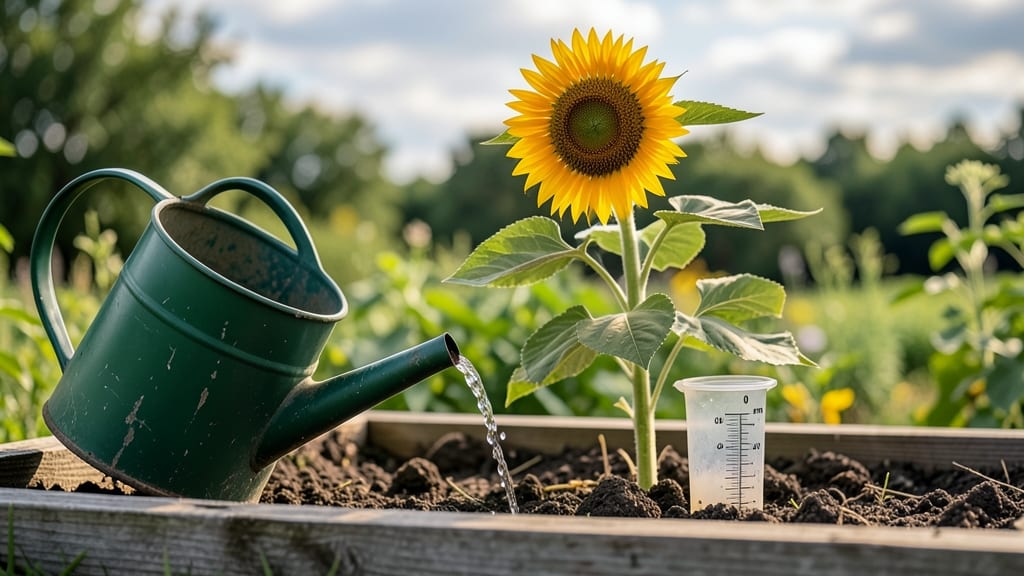
To grow sunflowers that reach their towering potential, you need to strike the perfect balance with water—too little and they wilt, too much and their roots rot. These drought-tolerant giants 🌻 actually thrive with a surprisingly simple routine, but most gardeners either drown or starve them by accident.
Here's the secret: sunflowers prefer deep soaks over frequent light watering, especially during their critical growth stages from seedling to seed development.
I'll break down exactly how much water they need each week, what to watch for, and how to adjust for your local climate—so you can grow sunflowers that stand tall and proud all season long.
Whether you're battling dry spells in Zone 6a or dealing with unpredictable spring rains, knowing when to water makes all the difference. Let's dive into the science behind sunflower hydration and save your plants from common watering mistakes that could cut their height in half.
You'll discover how often to water based on soil type, what the perfect 1-2 inches per week really means, and why morning watering gives your sunflowers a competitive edge. By the end, you'll have a foolproof system that keeps your sunflowers happy from planting in April through harvest in October.
Sunflower watering requirements by growth stage: from seedling to full bloom
Sunflowers don't just need water—they need the right amount at the right time. Their water needs shift dramatically from delicate seedlings to towering mature plants. Understanding these stages helps you avoid wilting or root rot, ensuring your sunflowers grow strong and tall.
I've grown sunflowers in Zone 6a for years, and I've learned that timing and technique matter more than just volume.
Every growth phase demands a different approach. Seedlings need consistent moisture to establish roots, while mature plants can handle drought better. The key is deep watering that reaches the roots without drowning the soil.
Let me walk you through exactly how much water sunflowers need at each stage, so you can keep your plants thriving from April planting to October harvest.
| Growth Stage | Watering Frequency | Amount per Session | Key Notes |
|---|---|---|---|
| Seedling (0-3 weeks) | Every 2-3 days | ½ inch (1.25 cm) | Keep soil consistently moist but not soggy |
| Vegetative (3-6 weeks) | Every 3-4 days | 1 inch (2.5 cm) | Encourage deep root growth |
| Flowering (6-10 weeks) | Every 4-5 days | 1.5 inches (3.75 cm) | Critical for bud development |
| Seed Production (10+ weeks) | Every 5-7 days | 1-2 inches (2.5-5 cm) | Reduce water as seeds mature |
During the seedling stage (first 3 weeks), sunflowers need frequent watering to establish roots. I water mine every 2-3 days with just ½ inch of water per session.
This keeps the soil moist but prevents waterlogging, which can cause damping off disease. Use a spray bottle or gentle watering can to avoid disturbing the delicate seedlings.
As your sunflowers enter the vegetative stage (weeks 3-6), they'll start growing rapidly. This is when you can increase watering to every 3-4 days with 1 inch of water per session. The goal here is to encourage deep root growth.
I've found that watering in the early morning reduces evaporation and gives roots time to absorb moisture before the heat of the day.
The flowering stage (weeks 6-10) is when your sunflowers need the most water. Buds are forming, and the plant is putting energy into creating those iconic blooms. At this point, I water every 4-5 days with 1.5 inches of water per session.
This is also when you'll see the biggest difference in plant height—proper watering can mean the difference between a 4-foot sunflower and one that reaches 10 feet.
Once your sunflowers reach the seed production stage (10+ weeks), you can reduce watering slightly to every 5-7 days with 1-2 inches of water. The plant is now focusing energy on seed development rather than foliage growth.
I've noticed that overwatering at this stage can lead to splitting seeds or increased disease risk, so it's better to err on the side of slightly less water.
Your local climate plays a huge role in sunflower watering. In hot, dry summers, you may need to water more frequently, while cool, rainy springs might require less. Always check the soil moisture by sticking your finger 1-2 inches deep—if it's dry, it's time to water.
Mulching around your sunflowers helps retain moisture and keeps roots cool, which is especially helpful in Zone 6a where temperatures can fluctuate dramatically.
One common mistake I see is watering sunflowers from above. Instead, use drip irrigation or water at the base of the plant to prevent leaf diseases like powdery mildew. Wet foliage in hot sun can also cause leaf scorch.
Always water deeply rather than giving shallow drinks—this encourages roots to grow downward where they'll find more stable moisture sources.
By following this stage-specific watering schedule, your sunflowers will grow strong, tall, and healthy. Remember that consistency is key—sunflowers hate having their water supply cut off suddenly.
With the right approach, you'll be rewarded with sunflowers that reach their full potential and bring joy to your garden all season long. 🌻
Signs your sunflowers are overwatered or underwatered (and how to fix it)
Your sunflowers might look sturdy, but they're actually extremely sensitive to watering mistakes. Yellowing leaves or mushy stems are red flags that can appear within days of improper watering. I've learned the hard way that sunflowers don't like soggy roots or bone-dry soil—both can stunt their growth or invite pests.
Let's identify these warning signs so you can rescue your plants before it's too late.
The key to healthy sunflowers lies in consistent moisture without waterlogging. Overwatered plants show symptoms like drooping leaves that stay down even after watering, while underwatered ones develop crispy edges and wilt by midday.
Both conditions stress the plant differently, so understanding the visual cues is crucial for timely intervention. Grab your gardening gloves and let's examine what your sunflowers are really telling you.
💧 How Much Water Do Sunflowers Need?
General rule: 1-2 inches per week during growing season (April-October). Adjust based on:
- Soil type: Sandy soil needs more frequent watering (every 2-3 days)
- Clay soil: Holds moisture longer (every 5-7 days)
- Temperature: Hotter than 85°F? Water every 2 days
- Growth stage: Seedlings need daily watering; mature plants tolerate weekly deep soaks
Pro tip: Always water at soil level, not the leaves, to prevent fungal diseases. Use your finger to check moisture—top 1-2 inches should be dry before watering again.
One of the first signs of overwatering is yellowing leaves that start at the bottom and spread upward. The leaves may also feel slimy or mushy to the touch, and you might notice a foul odor around the base of the plant.
This happens when roots can't get oxygen, leading to rot. If you see these symptoms, stop watering immediately and let the soil dry out before resuming a modified schedule.
For underwatered sunflowers, watch for crispy leaf edges and leaves that curl inward. The stems may feel hollow or brittle when touched, and the plant might lean toward the sun in a desperate search for moisture.
In extreme cases, the flower buds may drop before opening. To revive underwatered sunflowers, give them a deep soak at the base and mulch around the roots to retain moisture.
Don't forget to check the soil conditions—stick your finger 2 inches into the soil. If it's completely dry, it's time to water. For established sunflowers, deep watering every 5-7 days is better than daily shallow watering.
This encourages strong root development and helps your plants reach their full height potential. Remember, sunflowers are drought-tolerant once established, but they still need consistent moisture during their growing season.
If you're unsure whether your sunflowers are overwatered or underwatered, perform the paper towel test: press a white paper towel against the soil. If it comes out with dark streaks, you're overwatering.
If it's completely dry, it's time to water. Adjust your routine based on these signs, and your sunflowers will reward you with vibrant blooms and impressive height all season long. 🌻