
Orchid Care
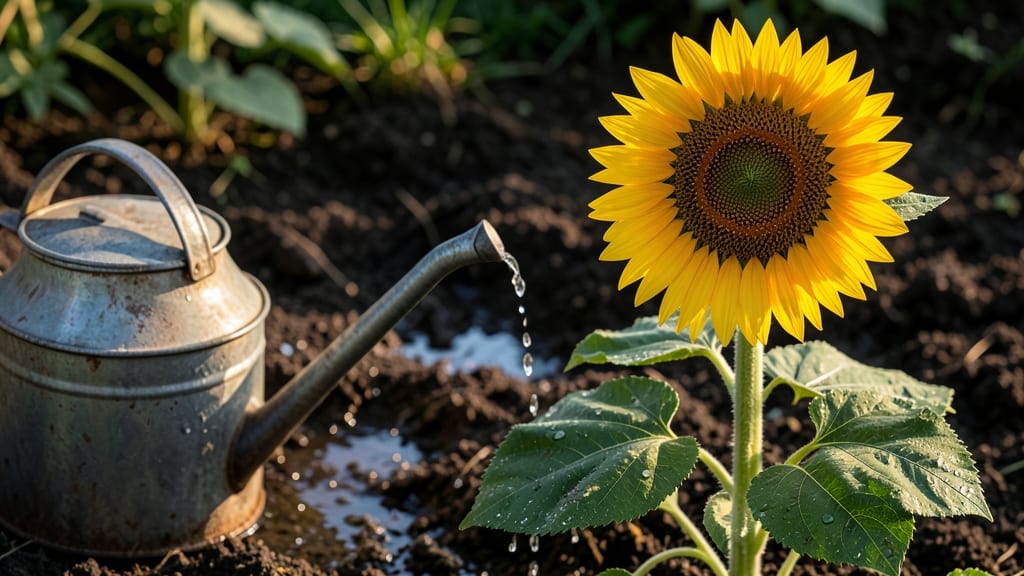
If you've ever wondered do sunflowers require a lot of water to thrive, you're not alone—but here's the surprising truth: these towering beauties are far more drought-tolerant than most gardeners realize.
While they do need moisture to establish strong roots, once they're growing, they can handle dry spells better than you might expect. The key lies in understanding their unique watering needs at each growth stage, from seedlings to mature plants.
Many gardeners make the mistake of overwatering sunflowers, thinking they're helping when they're actually inviting root rot or fungal diseases. The reality? Sunflowers prefer deep, infrequent watering that encourages strong root development.
This approach not only saves you time but also helps your plants withstand hot, dry conditions—perfect for gardeners in USDA Zone 6a or similar climates.
What you're about to discover will change how you water sunflowers forever. We'll break down exactly how much water these plants need at each stage of growth, when to adjust based on your local climate, and how to spot the subtle signs of overwatering or underwatering.
No more guesswork—just science-backed strategies to keep your sunflowers happy and healthy.
Ready to transform your sunflower care routine? Let's dive into the easy, efficient watering secrets that will have your plants reaching for the sky—without you having to babysit them every day. Your garden (and your water bill) will thank you!
How much water sunflowers actually need (and when to adjust)
Sunflowers might look like they thrive on neglect, but their watering needs change dramatically as they grow. New seedlings need consistent moisture, while mature plants can handle dry spells surprisingly well. The key is understanding their three distinct growth stages—each with unique hydration requirements—and adjusting your approach accordingly.
Many gardeners assume sunflowers are drought-proof, but overwatering is actually a bigger threat than underwatering. Soggy soil leads to root rot, while proper moisture encourages those iconic 6-foot stems and vibrant blooms. Let’s break down exactly how much water sunflowers need at every stage, plus when to cut back.
| Growth Stage | Water Needs | Frequency | Soil Depth | Signs of Stress |
|---|---|---|---|---|
| Seedling (0-4 weeks) | 1-2 inches per week | Daily (light misting) | Top 1-2 inches | Wilting, yellowing leaves |
| Vegetative (4-8 weeks) | 2-3 inches per week | Every 3-4 days (deep water) | 6-8 inches deep | Stunted growth, drooping |
| Flowering (8-12 weeks) | 1-2 inches per week | Every 5-7 days (deep) | 8-10 inches deep | Bud drop, weak stems |
| Mature (12+ weeks) | 0.5-1 inch per week | Every 10-14 days | Root zone only | Premature seed ripening |
| Drought Conditions | 0.25-0.5 inch per week | Every 2-3 weeks | Deep soak monthly | Leaf curling, slow growth |
For seedlings, aim for daily light watering to keep the soil consistently moist but never soggy. Use a spray bottle or gentle watering can to avoid disturbing the delicate roots.
Once your sunflowers reach the vegetative stage (4-8 weeks), switch to deep watering every 3-4 days. This encourages roots to grow downward, making your plants more drought-resistant later on.
During the flowering stage, reduce frequency to every 5-7 days but increase depth to 8-10 inches. This prevents buds from dropping and ensures sturdy stems. A common mistake is watering the flower heads directly, which can cause rot—always water at the base instead.
For mature plants, cut back to every 10-14 days unless your area experiences extreme heat.
Climate plays a huge role in adjusting your watering schedule. In hot, dry climates, sunflowers may need water every 3-5 days during peak summer, while cooler regions can stretch watering to once a week.
Always check soil moisture by sticking your finger 2 inches deep—if it’s dry, water; if damp, wait. Mulching with straw or wood chips helps retain moisture and reduces evaporation.
Watch for signs of overwatering like yellowing leaves, mushy stems, or fungal spots. Underwatered sunflowers show wilting, crispy leaf edges, or stems that lean dramatically. The key is balance: sunflowers are drought-tolerant once established, but they won’t thrive without proper hydration during critical growth phases.
Adjust based on your local rainfall patterns and soil type—sandy soil drains faster than clay, so it may need more frequent watering.
Pro tip: Water in the early morning to reduce evaporation and fungal risks. Avoid evening watering, as wet foliage overnight invites powdery mildew. If you’re unsure, deep watering less often is always better than shallow, frequent watering.
This builds stronger roots and healthier plants from the ground up. With the right approach, your sunflowers will reward you with vibrant blooms and towering stems—without wasting a drop.
5 Myths about sunflower watering that are killing your plants
You might think sunflowers need constant attention to stay hydrated—after all, they grow tall and fast. But here's the truth: these plants are far more resilient than most gardeners realize. Overwatering is actually one of the biggest threats to sunflowers, leading to weak stems and disease.
Let's debunk the most common myths that could be harming your plants without you even knowing it.
The first myth is that sunflowers need daily watering to survive. Many gardeners assume these thirsty giants require constant moisture, but that couldn't be further from the truth.
In reality, sunflowers prefer deep, infrequent watering that encourages strong root development. This approach helps them withstand dry spells and thrive in USDA Zone 6a climates.
- Myth 1: "Sunflowers need daily watering." Truth: 1-2 gallons weekly is enough for established plants.
- Myth 2: "They wilt fast without water." Truth: Deep roots store moisture for weeks.
- Myth 3: "More water = bigger blooms." Truth: Overwatering causes weak stems and disease.
- Myth 4: "Young plants need constant moisture." Truth: Keep soil evenly moist for first 2 weeks, then taper.
- Myth 5: "Sunflowers hate dry soil." Truth: Drought-tolerant once established—adjust for clay vs. sandy soil.
Another persistent myth is that sunflowers will wilt fast without water. While young seedlings do need consistent moisture, mature sunflowers can survive weeks without rain thanks to their deep taproots. These roots can reach 6 feet deep, allowing them to access water stored in lower soil layers.
If you notice wilting in mature plants, it's often a sign of overwatering rather than underwatering.
The third myth that trips up many gardeners is that more water equals bigger blooms. While adequate hydration is important, drowning sunflowers in water actually weakens their stems and makes them more susceptible to fungal diseases like powdery mildew.
The key is to water deeply but infrequently—aim for 1-2 gallons per plant weekly once they're established, adjusting for your local climate.
Many people also believe that young sunflower plants need constant moisture to survive. While it's true that seedlings require more frequent watering, keeping the soil evenly moist (not soggy) for the first two weeks is crucial.
After that, gradually reduce watering frequency to encourage root development. Think of it like training wheels—you remove the support as the plant grows stronger.
Finally, the myth that sunflowers hate dry soil couldn't be further from the truth. Once established, sunflowers are surprisingly drought-tolerant. They thrive in well-draining soil and can handle dry spells better than many other garden plants.
The key is to adjust your watering based on your soil type—sandy soil drains faster and may need more frequent watering, while clay soil holds moisture longer and requires less.
Now that you know the truth about sunflower watering, you can confidently care for these cheerful plants without overdoing it. Remember: deep, infrequent watering is the secret to strong, healthy sunflowers that will reach for the sky—without you having to babysit them every day.
Your garden (and your water bill) will thank you! 🌻