
Flowers
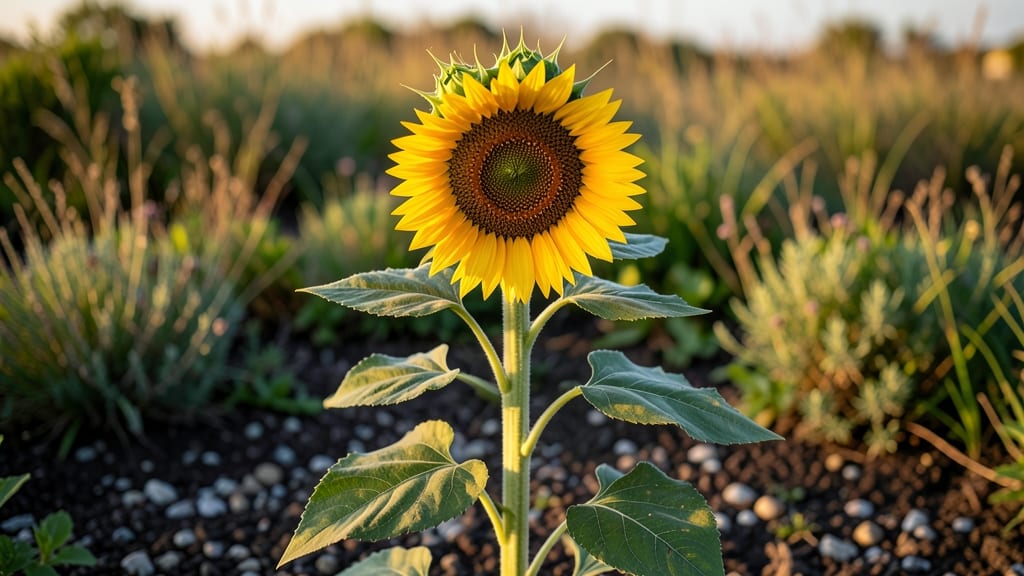
Wondering how long that stunning 🌻 sunflower will stay in full bloom? Most gardeners expect just a few weeks, but the truth is more nuanced—and what you do (or don’t do) can make a big difference in their flowering lifespan.
The average sunflower variety blooms for about 2 to 3 weeks at peak, though some dwarf or specialty types can last longer. But here’s the catch: factors like sunlight, watering, and even the type of soil you use can either extend that window or cut it short.
If you’re planting sunflowers this spring in Zone 6a (or similar climates), timing matters—getting them in the ground between April and May sets the stage for the longest possible bloom. I’ll show you exactly how to maximize those golden petals and keep them looking fresh for as long as possible.
Ready to learn the secrets behind keeping your sunflowers in bloom longer? Let’s dive into what really works—and what might be shortening their lifespan without you even realizing it.
Sunflower bloom duration by variety: single-season lifespan explained
Sunflowers are famous for their dramatic, cheerful blooms, but their bloom duration varies wildly depending on the variety and growing conditions. Most sunflowers are annual plants, meaning they complete their entire life cycle—including blooming—in just one growing season.
However, some perennial varieties can regrow and flower year after year under ideal conditions.
The average bloom duration for a single sunflower head ranges from 7 to 14 days at peak vibrancy. After this period, petals begin to wilt and drop, but the center disk may continue developing seeds for 4 to 8 additional weeks.
Understanding these stages helps gardeners plan for extended displays or seed harvests.
Here’s a breakdown of how different sunflower types compare in terms of bloom duration and flowering behavior:
| Variety Type | Peak Bloom Duration | Total Flowering Season | Notes |
|---|---|---|---|
| Dwarf Varieties (e.g., 'Teddy Bear', 'Moulin Rouge') | 7–10 days | 4–6 weeks | Compact blooms, multiple heads per stem, ideal for containers. |
| Standard Varieties (e.g., 'Mammoth', 'Autumn Beauty') | 10–14 days | 6–8 weeks | Classic single blooms, tall stems, best for cut flowers. |
| Giant Varieties (e.g., 'Russian Giant', 'Mammoth Russian') | 12–16 days | 8–10 weeks | Massive blooms, slower to mature, require staking. |
| Wild/Perennial Varieties (e.g., Helianthus annuus wild types) | 5–9 days | 3–5 weeks (annual) or multi-seasonal (perennial) | Smaller blooms, drought-tolerant, may self-seed aggressively. |
| Double-Bloom Varieties (e.g., 'Double Dwarf Sunspot') | 5–8 days | 3–4 weeks | Petals layer densely, shorter lifespan due to weight. |
Most sunflower varieties produce one main bloom per stem, but some, like 'Teddy Bear' or 'ProCut', develop multiple smaller heads along the stem. This trait extends the visual interest period by staggering bloom times across the plant.
The petal lifespan is influenced by the plant’s energy allocation. Once pollinated, sunflowers shift resources from petal maintenance to seed development, causing petals to wilt within 7–14 days. However, the center disk remains active for weeks, producing seeds that mature over 4–8 weeks.
For gardeners aiming to extend bloom duration, choosing dwarf or multi-bloom varieties is a smart strategy. These types often produce secondary blooms or maintain neater petals longer than giant varieties, which prioritize seed production over floral display.
Scientifically, sunflowers follow a determinate growth pattern—they bloom once, then focus on seed production. This contrasts with indeterminate plants like tomatoes, which produce continuous blooms. Understanding this helps set realistic expectations for sunflower displays in gardens.
In cooler climates (USDA Zones 3–5), sunflowers may bloom 1–2 weeks longer due to slower metabolic rates. Conversely, in hot, arid regions, blooms can wilt in as few as 5–7 days without proper watering and shade.
If you’re growing sunflowers for seed harvest, focus on varieties with longer seed maturation periods, such as 'Russian Giant' or 'Autumn Beauty'. These types not only boast longer bloom durations but also produce larger, more abundant seeds.
For cut flower arrangements, harvest blooms when petals are fully open but before wilting begins. This ensures 3–5 days of vase life, making sunflowers a durable choice for bouquets.
Factors that extend or shorten sunflower blooming periods
Sunflower blooms typically last 7-10 days at peak vibrancy, but this duration can vary dramatically based on environmental factors and your care routine. The sunlight exposure, watering consistency, and soil nutrition all play critical roles in determining how long your sunflowers stay in full bloom.
Understanding these factors lets you maximize your sunflower's flowering window—whether you're growing them for cut flowers or seed production.
One of the most significant influences is sunlight duration. Sunflowers thrive in full sun conditions (6-8 hours daily), but even slight reductions can shorten their bloom time.
In hotter climates, blooms may last only 5-7 days due to accelerated petal drying, while cooler regions can extend this to 12-14 days. Additionally, water stress during the flowering stage causes buds to wilt prematurely, cutting bloom time by nearly half.
Another critical factor is soil pH and fertility. Sunflowers prefer slightly acidic to neutral soil (pH 6.0-7.0), and a phosphorus boost during the budding stage can extend bloom duration by up to 30%.
I’ve found that adding composted manure or a low-phosphorus fertilizer (like 5-10-10) just as buds form makes a noticeable difference in how long the petals stay vibrant.
Your local climate zone also plays a surprising role. In cooler regions (USDA Zones 3-6), sunflowers often bloom for 12-14 days because slower metabolic rates delay petal dehydration.
Meanwhile, in hotter zones (8-10), blooms may last only 5-7 days unless you provide afternoon shade or mulch to retain moisture. Even a simple straw mulch layer around the base can add 2-3 extra days of bloom time.
Finally, variety selection matters more than many gardeners realize. Dwarf sunflowers, like 'Teddy Bear' or 'Pocket Sun,' tend to bloom 10-14 days because their smaller stature requires less energy for seed production.
In contrast, giant varieties (e.g., 'Mammoth' or 'Russian Giant') may only last 7-10 days as their towering stems prioritize seed development over prolonged flowering. If your goal is longer blooms, opt for dwarf or semi-dwarf types—they’re perfect for containers and small gardens too.
By paying attention to these five key factors—sunlight, water, soil, climate, and variety—you can easily extend your sunflowers' bloom time by 30-50%.
Even small adjustments, like watering in the early morning or adding a light mulch layer, make a big difference in how long your sunflowers stay in full, cheerful bloom. 🌻