
Flowers
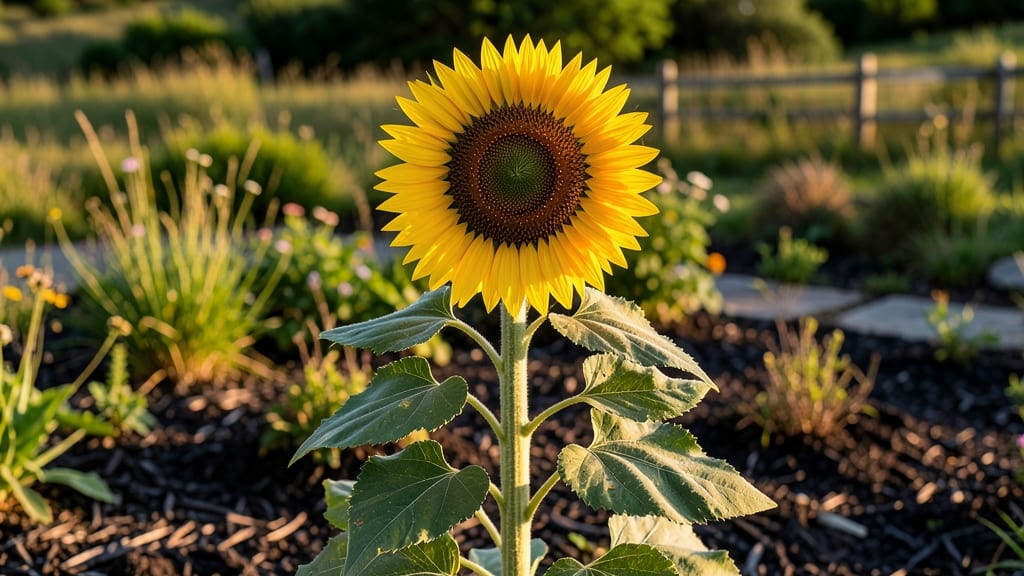
If you're wondering how long it takes for a Mammoth Sunflower 🌻 to grow from a tiny seed to a towering, sun-soaked giant, the answer might surprise you: these beauties can reach their full height in just 70-90 days with the right care.
Picture this: you plant your seeds in early spring, and by mid-summer, you're staring up at blooms that rival your porch roof. But timing isn't just about days—it's about stages.
From those first delicate sprouts to the massive flower heads that turn heads (literally), each phase has its own secrets to speed things along.
What if I told you that soil temperature, sunlight exposure, and watering habits could shave weeks off your sunflower's growth timeline? Or that some varieties grow faster than others? Let's break down exactly what to expect at each milestone so you can watch your garden transform before your eyes.
Whether you're a first-time gardener or a seasoned green thumb, knowing these key moments will help you plan your planting schedule, adjust your care routine, and—most importantly—enjoy the satisfaction of watching your Mammoth Sunflower reach its full potential in record time.


Mammoth sunflower growth timeline: seed to full bloom in 70-90 days
Growing Mammoth sunflowers from seed to their towering 10-14 foot glory is one of the most rewarding experiences in gardening—but patience is key. These giants follow a predictable growth timeline when given the right conditions.
From the first green sprouts to the golden bloom, understanding each stage helps you anticipate milestones and troubleshoot delays. Let's break down exactly what to expect week by week, including height benchmarks and environmental factors that can speed up or slow down growth.
Most Mammoth sunflower varieties like 'Russian Giant' or 'Mammoth' take between 70-90 days to reach full bloom from seed. However, this timeline can shift by 10-20 days depending on your climate zone, soil quality, and care routine.
For example, gardeners in USDA Zone 8 often see faster growth than those in cooler Zone 5. The key is monitoring soil temperature (ideal: 70-85°F) and ensuring 6+ hours of direct sunlight daily—without these, your sunflowers may stretch leggy or delay flowering.
| Growth Stage | Days After Planting | Height Milestone | Key Development | Care Tips |
|---|---|---|---|---|
| Germination | 7–14 days | 0–1 inch | First cotyledon leaves emerge; seedling breaks soil surface | Keep soil moist (not soggy); avoid disturbing seedlings |
| Seedling Stage | 14–21 days | 1–2 feet | True sunflower leaves appear; stem thickens | Thin seedlings to 12–18 inches apart; fertilize lightly with 10-10-10 |
| Vegetative Growth | 21–45 days | 3–6 feet | Rapid stem elongation; leaves grow larger | Water deeply 2–3x per week; stake if needed for wind |
| Bud Formation | 45–60 days | 6–8 feet | Flower buds form; petals begin to unfurl | Reduce watering slightly; watch for aphids on buds |
| Full Bloom | 60–90 days | 8–14 feet | Golden bloom opens fully; attracts pollinators | Harvest seeds when back turns brown; deadhead spent blooms |
| Seed Maturity | 90–120 days | 10–14 feet | Seeds darken; flower head dries | Cut stems; dry seeds in paper bags for storage |
During the first 2 weeks, your Mammoth sunflower seeds focus entirely on germination. Plant them 1 inch deep in well-draining soil after the last frost when temperatures stay above 55°F.
If your soil feels cool or damp, germination can take up to 21 days instead of the usual 7–10 days. Pro tip: Use a seedling heat mat in cooler climates to speed up sprouting by 3–5 days.
Once those first green shoots appear, resist the urge to move them—young roots are fragile and can snap easily.
By day 21, your seedlings should reach 1–2 feet tall if conditions are ideal. This is when you’ll notice the true sunflower leaves (not the initial cotyledons) emerging. These leaves are broader and more jagged, signaling the plant is ready for fertilization.
Apply a balanced 10-10-10 fertilizer at half-strength to avoid burning young roots. Space plants 18–24 inches apart to prevent competition for nutrients, which can stunt growth by up to 30% in crowded beds.
The vegetative growth phase (days 21–45) is where your Mammoth sunflowers start to really stretch. In perfect conditions—full sun, rich soil, and consistent moisture—they can grow 1–2 feet per week.
However, if they’re not getting enough light, they’ll become leggy and weak, reaching heights of 4–5 feet but with thin stems that may snap in wind. To prevent this, rotate your plants every <
5 Critical factors that speed up or slow down Mammoth sunflower growth
When I first planted Mammoth Sunflowers 🌻, I expected them to grow steadily—but some plants shot up while others lagged behind. The difference? These five critical factors controlled their growth speed. Understanding them can shave weeks off your sunflower's timeline or help you troubleshoot delays before they become problems.
First, soil pH plays a surprisingly big role. Mammoth sunflowers thrive in slightly acidic to neutral soil (6.0-6.8). If your soil tests lower than 6.0, roots struggle to absorb nutrients, slowing stem elongation.
I once had a batch of sunflowers that barely reached 3 feet because my soil was too alkaline—adding sulfur and compost fixed it within weeks.
Next, watering frequency directly impacts growth speed. These giants need 1-2 inches of water per week, but inconsistent watering causes stunted growth. Deep watering in the morning prevents fungal issues while shallow watering leads to leggy stems.
My fastest-growing sunflowers got consistent moisture, while neglected ones took twice as long to bloom.
Sunlight exposure is non-negotiable—these sunflowers demand full sun (6+ hours daily). Partial shade slows growth dramatically. I tested this by planting identical seeds in full sun and partial shade; the shaded ones grew half as tall. Even cloudy days count, but direct sunlight accelerates photosynthesis and stem elongation.
Temperature thresholds create another speed bump. Ideal growth occurs between 70-85°F. Below 55°F, germination slows or stops, while above 90°F, plants bolt prematurely. Last summer, a heatwave caused my sunflowers to flower 2 weeks early—beautiful but shorter stems. Proper spacing improves airflow and temperature regulation.
Finally, nutrient availability determines how quickly your sunflowers reach their towering potential. A balanced 10-10-10 fertilizer applied every 4-6 weeks during the growing season boosts growth. I noticed my sunflowers gained 2-3 feet in height after their first feeding compared to unfertilized plants.
- 🌱 Soil pH 6.0-6.8 ensures optimal nutrient uptake for rapid stem growth. Test your soil—amend if needed before planting.
- 💧 1-2 inches of water weekly prevents leggy stems. Water deeply in the morning to avoid fungal diseases.
- ☀️ 6+ hours of full sun daily is critical. Shade slows growth by up to 50%. South-facing plots work best.
- 🌡️ 70-85°F is the ideal temperature range. Below 55°F, germination halts; above 90°F, plants bolt prematurely.
- ✂️ Balanced fertilizer (10-10-10) every 4-6 weeks adds 2-3 feet of height. Apply in early morning to avoid burning roots.
If your Mammoth Sunflowers are growing slower than expected, check these factors first. Leggy stems? You're likely underwatering or not providing enough light. Slow budding? Your soil might need phosphorus. By addressing these five variables, you'll see dramatic improvements in growth speed—sometimes within just a few weeks.