
Planting
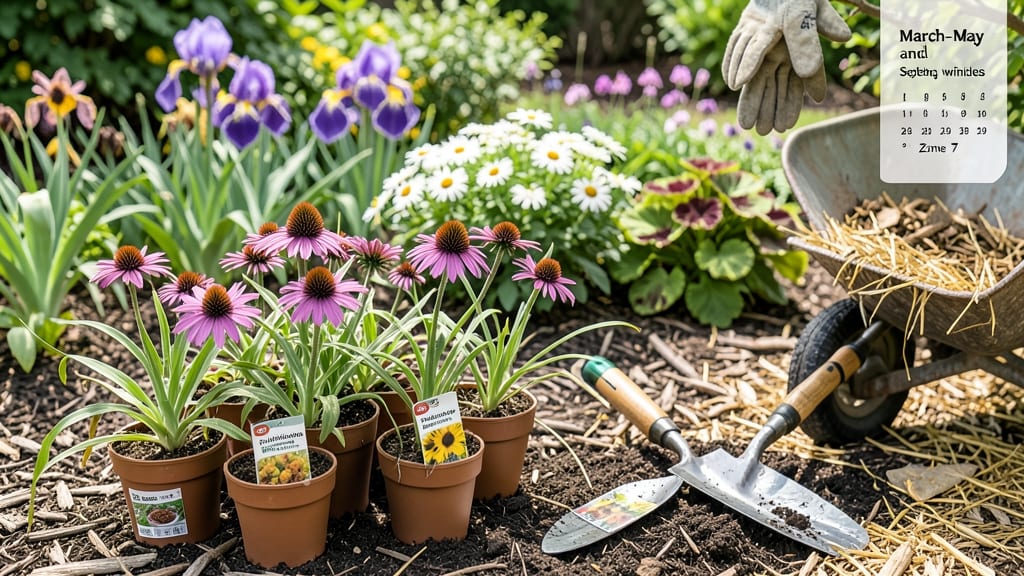
Timing your Zone 5 flower planting schedule isn't just about throwing seeds into the dirt—it's about outsmarting frost and unlocking a garden bursting with 🌸 color all season long.
Whether you're a first-time gardener or a seasoned pro, getting the timing right means the difference between wilting disappointment and vibrant blooms that last from spring to fall.
In Zone 5 (where temperatures can drop to -15°F), understanding your last frost date—typically around April 15—is the key to success. Plant too early, and frost will nip your tender seedlings in the bud.
Too late, and you'll miss the perfect window for strong root growth before summer heat sets in.
This schedule covers everything you need to know, from spring-blooming bulbs to summer annuals and hardy perennials that thrive in your climate. I'll break down the exact months to plant, which flowers handle frost best, and how to adjust if Mother Nature throws you a curveball with an early freeze.
Ready to transform your garden into a showstopper? Let’s dive into the perfect planting timeline for Zone 5 flowers—so you can enjoy blooms that rival the pros without the guesswork.

Zone 5 frost dates and flower planting timeline by month
Timing your flower planting in Zone 5 is all about understanding your last frost date, which typically falls between April 15 and May 15 in most areas. This critical window determines when you can safely plant frost-sensitive annuals and tender perennials without risking damage.
Meanwhile, cold-hardy bulbs and perennials often need to be planted earlier or later, depending on their specific needs.
Soil temperature plays a crucial role too—most seeds require soil to be at least 50°F (10°C) for germination, while some cool-season flowers like pansies can sprout in 40°F (4°C) soil.
Planning ahead ensures your flower garden thrives, not just survives. Let’s break down the best planting times by month to help you maximize your blooms.
🌱
In March, focus on preparing your garden beds by adding compost and mulch to warm the soil. This month is ideal for planting hardy perennials like lavender and Russian sage, which can tolerate cooler temperatures.
If you’re eager to start, you can also sow cool-season seeds like lettuce or spinach under protective covers.
By April, the real action begins. Once your last frost date has passed (usually around April 15), it’s time to plant warm-season annuals like marigolds and petunias.
These plants thrive in soil temperatures above 60°F (15°C), so wait until the ground has warmed up to avoid stunted growth. For perennials, April is also a great time to divide and transplant established plants.
May marks the peak of spring planting in Zone 5. This is your window to get tender annuals like geraniums and begonias into the ground before summer heat sets in.
Don’t forget to mulch around your plants to retain moisture and suppress weeds. If you missed the spring planting window, don’t worry—fall planting is just around the corner!
For fall planting, start as early as August with cool-season flowers like pansies and calendula. These plants need time to establish roots before the first frost, which typically arrives around October 15.
Bulbs like crocus and fall daffodils should be planted in September to ensure they bloom early next spring. Even in colder months, your garden can stay vibrant with the right planning.
🌷
Pro tip: Always check your local <
How to adjust your Zone 5 flower planting schedule for early or late frost years
Zone 5 gardeners know the struggle: one year, your last frost date arrives right on schedule, and the next, a surprise freeze wipes out your tender seedlings before they even sprout.
The key to thriving flowers lies in flexibility—knowing how to adjust your planting schedule when Mother Nature throws you a curveball. Whether you're dealing with an early frost or a delayed spring, these strategies will help you protect your plants and still enjoy a stunning garden.
First, let’s address the elephant in the garden: unpredictable frost dates. While the average last frost for Zone 5 falls around April 15, actual dates can vary by 2-3 weeks depending on your microclimate.
If you notice frost warnings in March or unusually warm winters, it’s time to shift your strategy. The good news? With the right cold-hardy flowers and protective tactics, you can still create a vibrant garden—even in the most challenging years.
- 🌡️ Cold snaps in late winter (below 20°F)
- 🌿 Dormant plants showing frost damage before March
- ☀️ Delayed spring with snow cover past March 15
- 🌷 Pansies (survive 20°F)
- 🌼 Violas (thrive in 15°F)
- 🌻 Black-Eyed Susans (tolerate 10°F)
- 🌹 Hardy Geraniums (withstand -10°F)
- 🌿 Lungwort (perennial, frost-resistant)
- ✂️ Install covers at dusk during frost warnings
- 💧 Water soil before covering to retain heat
- 🌱 Remove covers by 10 AM for sunlight
- 🔄 Use hoops for better airflow and growth
If frost threatens earlier than expected, start seeds indoors 6-8 weeks before your adjusted last frost date. For example, if you suspect frost in early April, begin sowing annuals like marigolds or petunias in late February.
Transplant seedlings outdoors only after the soil warms to 50°F—use a soil thermometer to track progress. For perennials and bulbs, plant them 6-8 weeks before your expected frost date to ensure roots establish before winter.
Another game-changer? Microclimates. A south-facing slope or a sunny wall can create a 5-10°F warmer environment than the rest of your yard. Plant frost-sensitive flowers like impatiens or begonias in these spots to buy yourself an extra 2-3 weeks of growing time.
Even a raised bed warms up faster in spring, giving you a head start on planting. Pair this with mulch (straw or shredded leaves) to insulate roots and retain moisture during dry spells.
Don’t overlook the power of succession planting. If early frost cuts short your summer annuals, replace them with cool-season flowers like kale (yes, ornamental kale!) or stock (Matthiola incana), which thrive in 50°F temperatures and add color to your garden well into fall.
This keeps your garden lively and extends your bloom season by months. For added protection, consider cloche tunnels or mini greenhouses for delicate plants like calendulas or nasturtiums.
Finally, monitor your local weather like a hawk. Sign up for frost alerts from your local Cooperative Extension Service or use apps like Old Farmer’s Almanac to track frost predictions. When in doubt, delay planting until you’re confident the threat has passed.
With these adjustments, you’ll turn Zone 5’s unpredictable frost into an opportunity to grow a hardier, more resilient garden—no matter what Mother Nature throws your way. 🌱