
Blooming
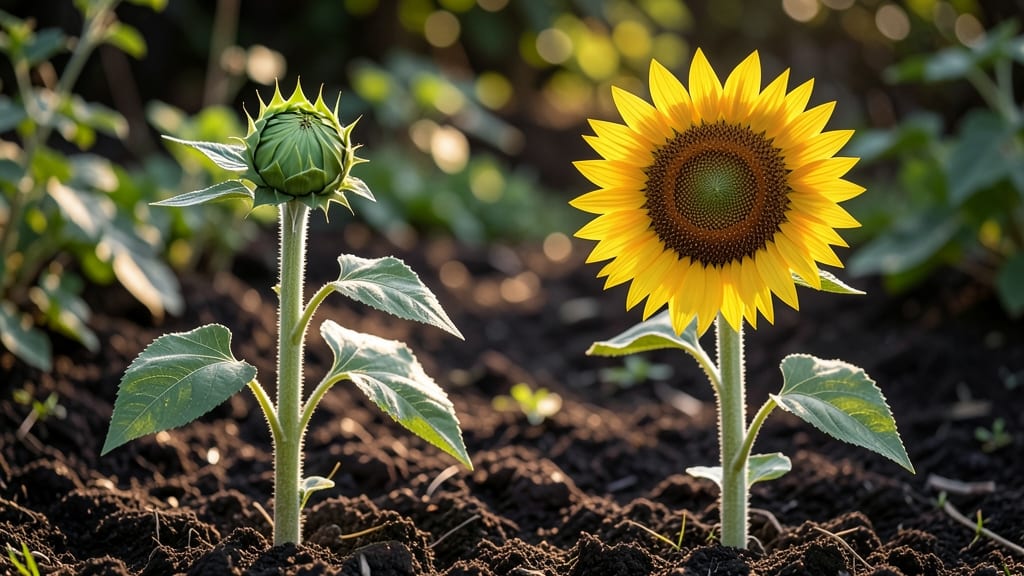
If you’ve ever planted sunflower seeds hoping for how long it takes for a sunflower to flower, you might be surprised to learn that the wait can vary dramatically—from as little as 60 days to over 120 days, depending on the variety and growing conditions.
That 🌻 you're dreaming of could arrive sooner than you think, or it might take a little longer than expected.
The key to predicting when your sunflowers will flower lies in understanding their growth stages and the factors that influence them. Whether you're growing dwarf varieties or towering giants, knowing what to expect helps you plan your garden schedule and avoid disappointment.
I'll break down the exact timelines for popular sunflower types and share tips to help you optimize blooming.
Sunflowers thrive in Zone 6a when planted in spring, but even the best-laid plans can go awry if conditions aren't ideal. Too much shade, inconsistent watering, or poor soil can delay flowering, while the right care can speed things up.
Let’s explore how to give your sunflowers the best chance to bloom on time.
From tracking height milestones to recognizing the first signs of bud formation, you’ll learn how to monitor progress and adjust your approach.
By the end, you’ll have a clear timeline for when to expect those cheerful faces turning toward the sun—because nothing beats the reward of a sunflower in full bloom!
Sunflower flowering timeline by popular variety (exact days from seed)
If you’ve ever wondered how long does it take for a sunflower to flower, the answer depends entirely on the variety you’re growing. Some varieties burst into bloom in as few as 50 days, while others take nearly 120 days to reach their full, radiant potential.
The key is understanding your sunflower’s maturity timeline and recognizing the subtle signs that signal each growth stage.
Sunflowers follow a predictable growth pattern: from seed to sprout, leafy stem development, bud formation, and finally, the dramatic petal unfurling we all love. The critical flowering window typically falls between 50 and 120 days after planting, but this can shift based on your climate, soil quality, and care routine.
Let’s break down the exact timelines for the most popular sunflower varieties and what to watch for along the way.
🌻 Pro Tip: Most sunflower seeds sprout in 7-14 days under ideal conditions (warm soil, consistent moisture). If germination takes longer than two weeks, check for poor soil temperature or overwatering, which can delay sprouting.
| Variety | Days to Flower | Mature Height | Key Maturity Sign |
|---|---|---|---|
| Mammoth (e.g., 'Mammoth Russian') | 90-120 days | 10-14 ft | Bud turns golden-yellow; petals begin unfurling at dawn |
| Teddy Bear (e.g., 'Teddy Bear') | 50-60 days | 3-5 ft | Compact yellow-green buds form; petals open fully in 3-5 days |
| ProCut (e.g., 'ProCut Hybrid') | 60-70 days | 4-6 ft | Bud lengthens rapidly; petals show red-brown centers before opening |
| Autumn Beauty (e.g., 'Autumn Beauty') | 70-80 days | 5-8 ft | Bicolor petals (yellow/red) emerge; bud cracks open at edges first |
| Sunspot (e.g., 'Sunspot') | 55-65 days | 3-4 ft | Dwarf variety; buds form earlier than leaves on mature stems |
For dwarf varieties like Teddy Bear or Sunspot, you’ll notice buds forming within 4-6 weeks of planting, often appearing as small, greenish-yellow bumps along the stem. These varieties are perfect for container gardening or small spaces, as they reach maturity quickly and don’t require staking.
In contrast, tall varieties like Mammoth Russian take longer to flower because they prioritize stem and leaf growth before dedicating energy to blooms. You can track their progress by measuring stem height weekly—once they reach 3-4 feet, buds will begin forming within 2-3 weeks.
Pay close attention to the bud’s color shift from green to golden-yellow, which signals imminent flowering.
If your sunflowers are taking longer than expected to flower, check these common culprits: insufficient sunlight (sunflowers need 6+ hours dailypoor soil drainage, or nutrient deficiencies.
A quick fix is to transplant seedlings to a sunnier spot and add a balanced fertilizer (5-10-10 NPK ratio) to encourage faster growth.
Once buds form, the final 7-10 days before flowering are the most dramatic. Watch for the petals to unfurl like a sunrise, often opening fully by mid-morning.
This is also when you’ll see the back of the flower head turn from green to yellow, confirming it’s ready for pollinators like bees and butterflies.
For gardeners in cooler climates, consider starting seeds indoors 2-3 weeks early to extend the growing season. This extra head start can shave 10-15 days off the flowering timeline, ensuring you enjoy those cheerful blooms before the first frost.
🌱 Quick Growth Check: Measure your sunflower’s height weekly. Most varieties grow 1-2 inches per day under ideal conditions—if growth slows, it may signal a need for more sunlight or water.
How growing conditions speed up or delay sunflower blooming (climate, soil, and care factors)
Sunflowers are resilient plants, but their blooming timeline can shift dramatically based on growing conditions. The 60-120 day range I mentioned earlier? That’s a general guideline—but your local climate, soil temperature, and even your watering habits can push that window earlier or later.
For example, my Mammoth sunflowers bloomed in 75 days last summer when planted in warm, well-drained soil, but a neighbor’s plants took 100 days in cooler, clay-heavy ground.
Sunlight is the most critical factor—sunflowers need 6-8 hours of direct sun daily to thrive. Without enough light, they’ll grow tall and leggy but delay flowering. I’ve seen plants in partial shade take 20-30 days longer to bloom compared to those in full sun.
Even a few hours less sunlight can slow down their growth, so choose your planting spot carefully.
Soil temperature also plays a huge role. Sunflowers germinate best in soil that’s at least 55°F (13°C), but they grow fastest when soil temperatures hover between 70-75°F (21-24°C). If your spring starts cool, like in Zone 3-5, consider using black plastic mulch to warm the soil faster.
I’ve seen this cut 10-15 days off the flowering time by creating a warmer microclimate.
Consistent watering is another game-changer. Sunflowers need 1-2 gallons of water per week, but overwatering or uneven moisture can cause major delays. I once let my plants dry out too much, and their flowering was pushed back by 3 weeks while they recovered.
Water deeply in the morning to encourage strong roots, and avoid soggy soil—sunflowers hate "wet feet."
⚠️ Common Mistakes That Delay Blooming
Overwatering causes root rot, stalling growth. Poor drainage leads to weak stems and delayed buds. Inconsistent fertilizer (too much nitrogen) promotes leafy growth over flowers. Shade from nearby plants steals sunlight, pushing back blooming by weeks.
Pro tip: Test your soil’s drainage by digging a hole—if water pools after 6 hours, amend with compost or sand.
Fertilization timing matters too. Sunflowers don’t need heavy feeding, but a balanced 5-10-10 fertilizer applied when they’re 6 inches tall can speed up flowering by 10-15 days. I avoid high-nitrogen fertilizers—they encourage lush foliage but delay blooms.
Instead, focus on phosphorus and potassium to support flower development. Side-dress with compost every 4-6 weeks during the growing season for best results.
Finally, watch for pests like aphids or sunflower moths, which can stress plants and delay flowering. I’ve used neem oil early in the season to prevent infestations, and my sunflowers bloomed 2 weeks ahead of untreated plants. Regular checks and early intervention keep your sunflowers healthy and on track.
By mastering these conditions, you’ll turn that 120-day window into a 60-day bloom—just like my fastest-growing Teddy Bear variety last year! The key is consistency: sunlight, temperature, water, and soil health all work together to bring out those cheerful faces.