
Pests
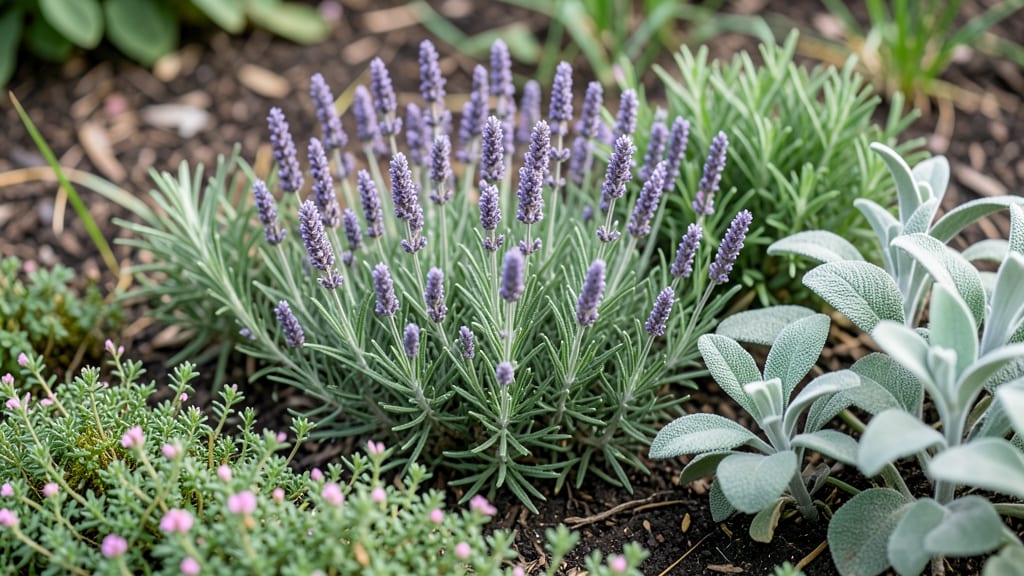
My deer-proof raised bed plans saved my garden after losing three seasons to hungry deer. 🌱 The key isn't just fencing—it's a layered defense that keeps plants safe while looking natural in your yard.
I designed these beds to block deer jumps, deter browsing, and still look like part of the landscape, not a fortress. You'll need durable materials like cedar or metal edging, and I'll show you how to combine them with flexible mesh or wire barriers that deer can't reach.
The layout matters too—placing beds near property lines or wooded edges makes them harder for deer to spot. My first bed used 2x4 cedar frames with 18-inch-tall hardware cloth wrapped around the outside, and it's still holding strong after three years.
What you'll end up with is a productive garden where deer give up before they even try. You'll harvest tomatoes, peppers, and herbs without the constant battle, and the beds will last for seasons with minimal upkeep. The best part?
Your neighbors will ask how you keep deer out—and you'll have the blueprints to show them. Works for any yard size, from small urban plots to large rural gardens. Let's build that fortress that actually looks like a garden.
📚 In This Guide
- What you need
- Instructions
- Tips and common mistakes
- Wrapping up and next steps
What you need
- ● Lumber: Pressure-treated cedar or redwood (cedar resists rot and pests naturally!) – 4x 8-foot boards (2x12 inches or thicker for durability).
- ● Hardware cloth: ¼-inch mesh (deer can’t chew through it!) – Enough to cover the sides and top edges (e.g., 10’ x 10’ for a 4’x8’ bed).
- ● Staple gun & staples: Heavy-duty (for securing hardware cloth).
- ● Galvanized screws: 2½-inch deck screws (for assembling the frame).
- ○ Landscape fabric: Optional but helpful for suppressing weeds (lay it at the bottom).
- ● Compost & soil: High-quality mix (avoid fresh manure—it attracts pests!).
- ● Circular saw or handsaw (for cutting lumber).
- ● Drill/driver (for screws).
- ● Measuring tape & pencil.
- ● Work gloves (protection against splinters and hardware).
- ● Level (to ensure your bed stays straight!).
- ● Add a roll of chicken wire (19-gauge) on top of the hardware cloth for double protection.
- ● Use corner braces to reinforce the frame—deer can push!
- ○ Paint or stain the wood (optional but extends lifespan).
Step-by-step instructions for building deer-proof raised beds
Here's my battle-tested approach to creating raised beds that keep deer from turning your garden into their salad bar.
🪴 Step 1: Choose and Prepare the Location
Select a spot with 6+ hours of sunlight and at least 4 feet of clearance from nearby trees or shrubs where deer can jump or climb. I always check for existing deer trails—if you see them, assume deer visit regularly. Clear the area of weeds and rocks, then mark your bed dimensions with stakes and string. For a 4' x 8' bed, I use two strings to create a perfect rectangle.
Real talk: Deer are smart. They'll find the easiest path to your veggies, so avoid placing beds near fences or property lines where deer can squeeze through. If your yard is heavily trafficked, consider building multiple smaller beds instead of one large one—it makes patrolling easier for you and harder for deer.
🌱 Step 2: Build the Frame with Deer-Resistant Materials
Construct the frame using 6-inch wide cedar or redwood boards (deer dislike the scent and the wood lasts longer). Assemble a 2-foot high perimeter with corner braces for stability. I reinforce the corners with galvanized screws and add horizontal supports every 2 feet to prevent warping. The height matters—deer can jump 3 feet, so 2 feet keeps them out while still being manageable for you.
Here's the thing—skip pressure-treated wood. The chemicals can leach into your soil over time, and deer actually find the smell attractive. Cedar or redwood is pricier upfront but pays off in durability and deer deterrence. If cost is a concern, focus on the top edge of the frame first—deer rarely climb over low walls.
✂️ Step 3: Install Physical Barriers
Line the inside of the frame with hardware cloth (1/2-inch mesh) or plastic deer fencing, securing it with staples or zip ties to the frame. The mesh should extend 12 inches below the soil line to block digging deer. I cut the fencing to size first, then fold it into the bed before adding soil—this keeps it hidden but still effective. For extra protection, add a 3-inch wide strip of fencing along the top edge to deter climbing.
Don't skip the underground barrier. Deer will dig under low walls to reach plants, and once they find a weak spot, they'll exploit it every time. If you're building near a property line, extend the underground barrier 1 foot outward to prevent them from digging from the outside.
🌿 Step 4: Add Soil and Plant Strategically
Fill the bed with 12 inches of high-quality garden soil, mixing in 2 inches of compost for nutrients. I top the bed with a 1-inch layer of coarse gravel before adding soil—this adds weight to deter digging and improves drainage. Plant deer-resistant varieties like basil, thyme, oregano, and marigolds around the perimeter first. These act as a natural deterrent while giving your main crops time to establish.
Watch how you arrange taller plants. Place them on the north or west sides of the bed so they don't shade out your shorter crops. Deer are less likely to investigate beds with dense foliage, so interplanting with herbs or flowers creates a natural barrier. If you're growing carrots or beets, consider planting them in containers inside the bed—deer will avoid the extra effort.
💧 Step 5: Maintain and Monitor
Check the hardware cloth monthly for tears or gaps, especially after storms. I keep a roll of zip ties handy to make quick repairs. Add deer repellent plants like lavender or rosemary along the bed edges—their strong scent confuses deer. Water the bed in the early morning to reduce evening moisture that attracts deer.
Here's where it gets fun: Rotate your plantings seasonally. Deer get bored with the same crops, so if they keep targeting your lettuce, swap it for radishes or kale next season. I also move my beds every 2-3 years to prevent soil depletion and deer from learning the layout. A fresh location throws them off their game completely.
Tips & tricks for building fortified raised beds
These battle-tested strategies will help you create raised beds that actually keep deer at bay—no more ruined harvests!
Location Strategy: Scout your yard for deer activity before building. Look for tracks, droppings, or chewed plants—these are red flags. I always place my beds at least 10 feet away from property lines where deer can squeeze through. For extra security, position beds near your house or garage where deer are less likely to wander. The 4-foot clearance from trees isn't just about sunlight—it prevents deer from using branches to climb over your beds.
Frame Reinforcement: When building the 2-foot high frame with cedar or redwood, add an extra horizontal support beam at the 1-foot mark. This creates a "deer deterrent ledge" that makes climbing even more difficult. I also use galvanized screws instead of nails—they won't rust and provide better hold. If you're worried about cost, prioritize the top 6 inches of the frame for cedar, as this is where deer will attempt to climb first.
Barrier Installation: For the 12-inch underground barrier, I recommend using 1/4-inch hardware cloth instead of plastic fencing—it's stronger and won't degrade over time. When securing it, bury the edges 2 inches deeper than the 12-inch mark to prevent deer from digging underneath. For the top edge, add a 4-inch wide strip of fencing that angles outward—this creates a physical barrier that deer can't easily jump over.
Plant Placement: The north or west side placement for taller plants isn't just about sunlight—it creates natural windbreaks that deer find less appealing. I also interplant lavender and rosemary along the bed edges as a first line of defense. These herbs have strong scents that confuse deer and make them think the area is already occupied. For container plants like carrots or beets, use black plastic pots—deer are less likely to investigate dark containers than visible soil.
Pro Tips for Deer Proof Raised Bed Plans
- These battle-tested strategies will help you create raised beds that actually keep deer at bay—no more ruined harvests!
- Location Strategy: Scout your yard for deer activity before building.
- Frame Reinforcement: When building the 2-foot high frame with cedar or redwood, add an extra horizontal support beam at the 1-foot mark.
Frequently asked questions
about deer-proof raised bed plans—because protecting your garden shouldn’t be a guessing game! Here’s what you need to know before building.Q: What’s the most effective deer-proofing material for raised beds?
Hardware cloth (1/4-inch mesh) is the gold standard—deer can’t chew through it! Install it vertically along the bed’s perimeter, burying 12 inches underground to block digging. For extra security, add a 3-foot-tall wire fence around the bed’s edge. Avoid chicken wire; it’s too flimsy.
Q: When is the best time to build a deer-proof raised bed?
Spring or early fall is ideal! Deer are most active during these transitions, so fortifying your beds before planting gives you a head start. If you’re retrofitting an existing bed, tackle it before deer discover your garden as a snack bar (trust us, they’ll notice!).
Q: Are there budget-friendly alternatives to hardware cloth?
Yes! Use plastic tree guards (cut to size) or heavy-duty landscape fabric wrapped around the bed’s frame. For temporary solutions, try deer-resistant plants like daffodils or boxwoods as a natural barrier—but combine them with a fence for best results.
Q: How do I keep deer from jumping over my raised bed?
Deer can leap 8 feet—so height matters! Extend your hardware cloth fence to at least 6–8 feet tall and angle the top outward (like a “V”) to deter climbers. Add slanted tops or barbed wire (humanely installed) for extra deterrence. A motion-activated sprinkler can also work wonders!
Q: What should I do if deer still get into my bed?
Don’t panic! First, inspect for gaps—deer exploit weak spots like loose hardware cloth or small holes. Reinforce weak areas immediately. For persistent problems, try hot pepper spray (non-toxic) or deer repellent granules around the bed. Rotate plants deer dislike (e.g., lavender, marigolds) to confuse them.
Wrapping up and next steps
Building a deer-proof raised bed is your first line of defense against hungry garden invaders—without sacrificing beauty or functionality! 🌱 With the right materials, sturdy construction, and smart deterrents like fencing or mesh, you’ll create a fortress for your veggies and herbs.
The key? Consistency in design and proactive protection—because a well-fortified garden means more time enjoying your harvest and less stress over lost plants.
Ready to take action? Start sketching your design today and gather supplies—your garden’s safety (and your future salads!) will thank you. Need a refresher? Revisit our FAQs or dive into material lists to lock in every detail.