
Flowers
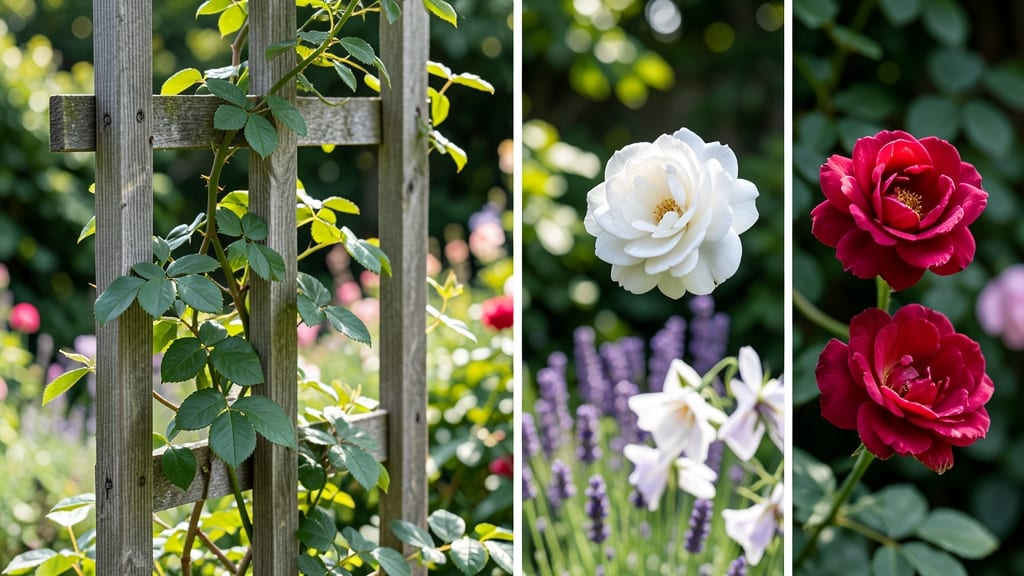
If you’ve ever planted a stunning 🌹 climbing rose and wondered when do climbing roses flower, you’re not alone. The timing of their blooms depends on their type—whether they’re once-blooming or repeat-flowering varieties—and where you live.
Most climbing roses burst into color in late spring to early summer, but some varieties, like the ever-popular 'New Dawn,' can extend their show well into fall.
Understanding these cycles—and how pruning plays a role—is the key to enjoying months of lush, fragrant blooms instead of just a fleeting display.
In this guide, I’ll break down exactly when your climbing roses will flower based on their variety, your climate zone, and how sunlight affects their blooming schedule. You’ll also discover simple pruning techniques to encourage longer, more abundant flowering seasons.
Whether you’re a seasoned gardener or just starting to grow climbing roses, these insights will help you maximize your plant’s potential. Let’s transform that single burst of color into a garden highlight all season long.
Climbing roses flowering seasons: when and why they bloom
Climbing roses are famous for their dramatic displays, but their flowering seasons vary dramatically depending on the variety and climate zone. Some burst into bloom just once in spring, while others reward gardeners with repeat flowering all summer long.
Understanding these patterns helps you choose the right roses for your garden and plan for maximum impact.
The key difference lies in once-blooming versus repeat-blooming varieties. Once-bloomers like 'New Dawn' put all their energy into a single spectacular show in late spring or early summer, while repeat-bloomers such as 'Blaze' produce multiple flushes of flowers from spring through fall.
Sunlight exposure also plays a critical role—full sun (6+ hours daily) triggers earlier and more abundant blooms.
| Variety | Bloom Season | Flowering Type | Climate Zones | Sunlight Needs |
|---|---|---|---|---|
| 'New Dawn' | Late May - June | Once-blooming | 4-9 | Full sun |
| 'Blaze' | June - October | Repeat-blooming | 5-10 | Full sun |
| 'Zephirine Drouhin' | June - September | Repeat-blooming | 6-9 | Full sun |
| 'Graham Thomas' | May - September | Repeat-blooming | 5-10 | Full sun |
| 'American Beauty' | June - October | Repeat-blooming | 4-9 | Full sun |
In cooler climates (USDA Zones 4-6), most climbing roses bloom slightly later—often in late May or June—because they need warmer temperatures to trigger flowering. In warmer zones (7-10), blooms may start as early as April, especially for repeat-flowering varieties.
For example, 'Blaze' in Zone 8 might begin flowering in late April, while the same rose in Zone 5 won’t peak until June.
Sunlight exposure directly impacts bloom timing. Roses planted in partial shade (3-6 hours of sun) will flower later and produce fewer blooms compared to those in full sun.
If your climbing rose is in a shady spot, consider relocating it to a south-facing wall or trellis to maximize sunlight and encourage earlier, more abundant blooms.
Repeat-blooming varieties like 'Zephirine Drouhin' produce their first flush of flowers in late spring, followed by smaller blooms throughout the summer. The secret to prolonging their season lies in deadheading spent blooms and providing consistent water and fertilizer.
Once-blooming roses, on the other hand, focus all their energy on a single spectacular display, after which they shift to foliage production.
If you live in a hot, dry climate, such as Zone 9 or 10, your roses may need extra care to prevent heat stress. Mulching with organic matter and watering deeply in the early morning helps maintain moisture and encourages continuous blooming.
In contrast, roses in humid climates may require fungicide treatments to prevent diseases like black spot, which can weaken plants and reduce flowering.
For gardeners in northern climates (Zones 1-4), early spring is the best time to plant climbing roses, as they need 6-8 weeks of warm weather to establish roots before their first bloom.
In these regions, hardy varieties like 'New Dawn' thrive, while tender roses may need winter protection with burlap wraps or mulch to survive freezing temperatures.
Understanding your local last frost date is crucial. Most climbing roses won’t bloom until after the danger of frost has passed. In Zone 5, this typically means waiting until mid-May,
Pruning climbing roses for longer bloom seasons: timing and techniques
Understanding when do climbing roses flower is only half the battle—knowing how to prune them at the right time is what turns a single burst of color into a season-long spectacle.
Most climbing roses bloom in late spring to early summer, but with the right pruning, you can coax them into producing flowers well into fall. The key is timing: prune at the right moment to encourage new growth and more blooms.
Your pruning schedule should align with your rose’s natural cycle. For repeat-blooming varieties, like 'New Dawn' or 'Blaze,' pruning after each flush of flowers stimulates new buds.
Once-blooming roses, such as 'Zephirine Drouhin,' need a different approach—prune them lightly in late winter to shape the plant without sacrificing their single, spectacular bloom.
Now, let’s dive into the step-by-step pruning techniques that will keep your climbing roses flowering for months. But first, there’s one critical mistake you’ll want to avoid—it could shorten your bloom season before it even begins.
⚠️ Warning: Pruning Mistakes That Kill Your Blooms
Over-pruning in late winter removes too many flower buds before they open, shortening your bloom season. Wrong tools (dull shears or hedge clippers) crush stems, inviting disease. And pruning at the wrong time, like mid-summer, can shock the plant and halt flowering entirely.
Always use sharp bypass pruners and cut just above an outward-facing bud at a 45-degree angle. Timing is everything—prune repeat-bloomers after flowers fade and once-bloomers in late winter.
Start your pruning in late winter, just as new growth begins but before buds swell. This is when you’ll shape your climbing rose for the season ahead. Remove any dead, diseased, or crossing branches first—these compete with healthy growth for energy.
Then, cut back last year’s woody stems by one-third to encourage stronger, more vigorous new shoots.
Once your roses bloom in late spring to early summer, switch to a light maintenance pruning routine. After each flush of flowers fades, trim back the spent blooms along with a few inches of stem.
This encourages the plant to produce new buds lower on the stem, extending the flowering season. Repeat this process every 6-8 weeks for repeat-blooming varieties.
In fall and winter, pruning is minimal. Focus on removing any weak or damaged growth and tying up new shoots to their supports. Avoid heavy pruning during dormancy—your rose needs this time to rest and store energy for next year’s blooms.
A light trim in early spring (just before buds break) will keep the plant tidy without disrupting its natural cycle.
With these techniques, your climbing roses will reward you with months of continuous blooms instead of a single, fleeting display. The secret? Prune with purpose, use the right tools, and respect your rose’s natural rhythm. Your garden will thank you with a cascade of color from spring through fall.