
Light Requirements
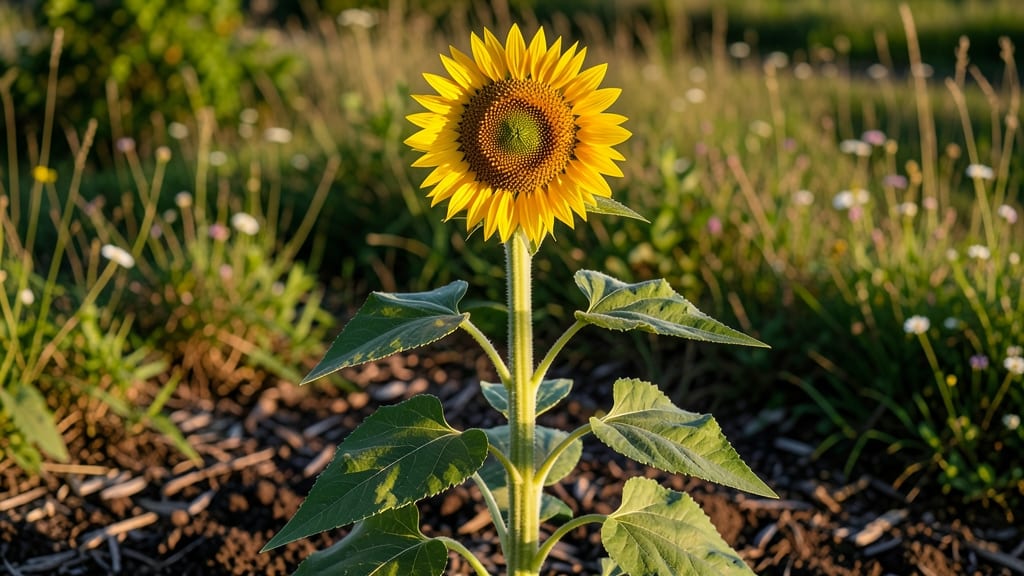
If your 🌻 sunflowers do need sunlight to thrive, then leggy, weak plants refusing to bloom might be your garden’s way of waving a red flag.
These towering beauties aren’t just named for their sunny disposition; they need sunlight to reach their full potential, and skipping this step means missing out on those iconic, cheerful blooms.
Think of sunlight as the secret sauce for sunflowers—they crave 6 to 8 hours of direct light daily to fuel their rapid growth and vibrant flowers. Without enough, you’ll end up with sad, stretched stems and tiny, underwhelming blooms.
But here’s the good news: with the right placement and a few simple adjustments, you can give your sunflowers the light they deserve.
Whether you’re planting in your backyard or a container on your patio, I’ll show you exactly where to position your sunflowers for maximum sunlight. Plus, I’ll share what happens when they don’t get enough light—and how to fix it before it’s too late.
Ready to grow sunflowers that stand tall and proud? Let’s dive into the sunlight secrets that will transform your garden from ordinary to extraordinary.


How much sunlight do sunflowers need daily for optimal growth?
Sunflowers are sun-worshippers by nature, and their growth is directly tied to how much sunlight they receive. Without adequate light, these towering beauties will struggle to reach their full potential—often producing smaller blooms and weaker stems.
The good news? Sunflowers are among the most sunlight-tolerant plants in your garden, but they still need precise light conditions to thrive.
For optimal growth, sunflowers require a minimum of 6-8 hours of direct sunlight daily. However, when given full sun exposure (8+ hours), they’ll reward you with taller stems, larger flowers, and even more robust seed production.
This isn’t just guesswork—it’s rooted in photosynthesis efficiency, where sunlight fuels the energy needed for their rapid vertical growth.
Here’s the breakdown of what happens when sunlight requirements aren’t met: less than 6 hours results in leggy, weak stems and smaller blooms, while partial shade (3-6 hours) may delay flowering entirely. Even morning sun only can stunt growth compared to evenly distributed sunlight throughout the day.
Sunlight isn’t just about duration—it’s also about quality. Sunflowers thrive on direct sunlight, not filtered or reflected light. This means positioning them in the sunniest spot of your garden, away from tall trees or buildings that cast shadows.
Even a 1-2 hour shadow during peak sunlight can reduce their growth potential by up to 30%.
The science behind it lies in their photosynthesis process. Sunflowers have a high demand for energy to fuel their rapid growth, and chlorophyll efficiency peaks under full sunlight. When deprived, their cells produce less glucose, leading to weaker cell walls and smaller flowers.
This is why Russian Giant varieties, which can reach 12-14 feet, need maximum sunlight to support their massive stature.
If you’re growing sunflowers in containers or urban settings, aim for a south-facing window or balcony. South-facing locations provide the most consistent sunlight throughout the day, especially in the Northern Hemisphere.
For ground planting, avoid areas where other plants or structures block light after 10 AM, as this is when sunflowers need the most energy for stem elongation.
Pro tip: Use a sunlight tracker or observe your sunflowers’ growth patterns. If stems are leaning toward the light, it’s a sign they’re hungry for more sun.
Rotate pots or reposition plants every few days to ensure even exposure on all sides, which prevents uneven growth and weak stems.
For seed production, sunlight becomes even more critical. Sunflowers need full sun exposure during their flowering phase (July-August) to develop heavy, viable seeds. Insufficient light can lead to small, underdeveloped seeds or even no seed production at all.
If you’re growing sunflowers for birdseed or culinary use, prioritize 8+ hours of sunlight daily during their peak growth months.
Even in partial shade, you can still grow sunflowers—but expect compromises. Dwarf varieties like 'Teddy Bear' or 'Moulin Rouge' tolerate 4-6 hours of sun better than giants, but they’ll still produce smaller blooms.
To maximize their potential, pair them with reflective surfaces like white walls or mulch to bounce extra light onto their leaves.
Remember, sunflowers are phototropic, meaning they’ll grow toward the light. If your garden has uneven sunlight, plant them in the sunniest corner and watch them stretch
Signs your sunflowers aren’t getting enough sunlight (and how to fix it)
If your sunflowers are growing tall but weak with tiny blooms, they’re likely begging for more sunlight. Sunflowers need 6-8 hours of direct light daily to thrive, and when they don’t get enough, their growth suffers in noticeable ways.
The first sign is often leggy stems—plants stretch toward any available light, becoming thin and prone to falling over.
Another red flag is small, underdeveloped flowers. Sunflowers deprived of sunlight may produce blooms that are half their usual size or fail to open at all. Even worse, their leaves might start yellowing or developing pale patches, a clear sign of chlorosis (nutrient deficiencies caused by poor photosynthesis).
🚨
Sunflowers cannot thrive in shade. Even 4 hours of sunlight daily will result in stunted growth, weak stems, and poor blooming. If your plants show these signs, act fast—relocating them to a sunnier spot can save them, but severe deficiencies may lead to irreversible damage.
Action Required: Move plants to full sun immediately and monitor for improvement within 7-10 days.
To fix sunlight issues, start by moving your sunflowers to the sunniest spot in your garden. South-facing areas are ideal in the Northern Hemisphere, as they receive the most direct sunlight.
If your garden lacks full sun, consider container gardening on a sunny patio or balcony, where you can reposition pots as needed.
For partial shade situations, try reflective surfaces like white gravel or mirrors to bounce extra light onto your plants. You can also prune nearby trees or structures to allow more sunlight to reach your sunflowers.
Just be cautious—sunflowers hate competing for light, so avoid planting them near tall shrubs or other sun-loving plants.
If you’re dealing with seasonal shade (like early spring or late summer), opt for shade-tolerant varieties like 'Teddy Bear' or 'Autumn Beauty', which handle partial shade better than standard types. Pair them with low-growing companions like marigolds or nasturtiums to maximize light exposure for all plants.
Finally, rotate your containers every few days if growing in pots to ensure even light exposure. Sunflowers will naturally lean toward the sun, so gentle adjustments keep them growing straight and strong. With these fixes, your sunflowers should perk up, grow taller, and bloom beautifully within weeks.