
Landscaping
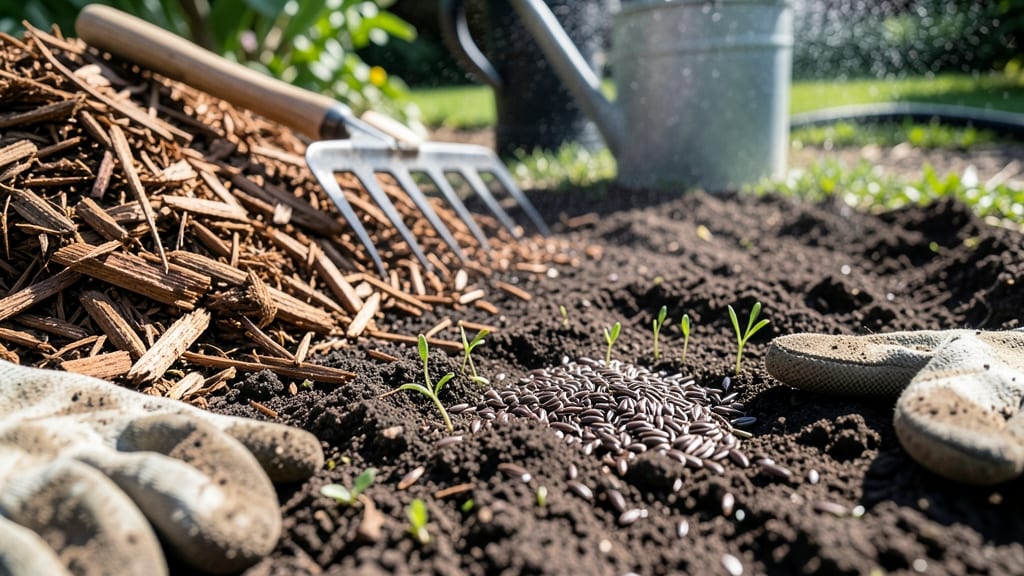
Putting mulch over wildflower seeds can feel like walking a tightrope—too much smothers those tiny seeds, while too little leaves them exposed to drying winds and hungry weeds.
The good news? With the right approach, a light layer of mulch can actually boost your wildflowers' chances by locking in moisture and keeping soil temperatures steady.
Most gardeners assume mulch is a one-size-fits-all solution, but wildflowers—especially 🌼 varieties with fine seeds—need a gentler touch. Straw or shredded leaves work best because they allow sunlight to reach the soil while still protecting seeds from erosion.
The key is keeping the layer thin: no thicker than ¼ inch to avoid suffocating germination.
I’ve seen firsthand how a proper mulch layer transforms a patchy wildflower meadow into a vibrant, self-sustaining garden. The trick isn’t just what you mulch with, but when—applying it after seeds have sprouted (usually in 3-4 weeks) ensures you’re helping, not hindering, their growth.
Whether you’re a beginner or a seasoned gardener, mastering this technique can mean the difference between a thriving wildflower display and a disappointing sparse plot. Let’s break down the exact steps to get it right every time.
How to layer mulch over wildflower seeds without smothering them
Wildflower seeds are delicate, often requiring just the right conditions to sprout successfully. One common question I hear is whether you can put mulch over wildflower seeds—and the answer is yes, but with caution.
Mulch can help retain moisture and suppress weeds, but too much or the wrong type can smother your seeds before they even get a chance to germinate. The key is using ultra-lightweight materials and applying them at the right time.
When planting wildflowers, the goal is to create an environment where seeds stay moist enough to sprout without suffocating. Organic mulches like straw or leaf mold are ideal because they break down slowly and allow water and air to reach the soil.
However, heavy mulches like wood chips or thick bark should be avoided—they can block sunlight and trap too much moisture, leading to rot or fungal issues.
Timing is everything. You should never apply mulch directly over freshly sown wildflower seeds. Instead, wait until you see the first signs of germination—usually within 7 to 14 days—before adding a thin layer.
This ensures your seeds have the chance to break through the soil without struggling against a barrier.
Step-by-Step Guide to Mulching Wildflower Seeds
-
Step 1: Prepare the Soil
Loosen the top 1-2 inches of soil with a rake or hoe to create a fine seedbed. Remove any rocks or debris that could block seed contact with the soil. -
Step 2: Scatter Seeds Thinly
Spread wildflower seeds evenly over the prepared area. Avoid clumping seeds, as this can lead to overcrowding. Lightly press them into the soil with your hand or a board. -
Step 3: Water Gently
Use a fine mist or gentle watering can to moisten the soil without disturbing the seeds. Keep the soil consistently moist but not soggy until germination occurs. -
Step 4: Wait for Germination
Monitor the area daily for signs of sprouts. Once you see 10-20% of seeds germinating, it’s time to mulch. This usually takes 7-14 days, depending on the species and weather. -
Step 5: Apply Lightweight Mulch
Choose a ¼-inch-thick layer of straw, leaf mold, or shredded bark. Spread it evenly over the area, avoiding piles that could suffocate seedlings. -
Step 6: Maintain Moisture
Water lightly after mulching to settle the material and keep the soil moist. Avoid heavy watering, which can displace mulch or create runoff.
The thickness of your mulch layer is critical. A ¼-inch layer is ideal—any thicker, and you risk blocking sunlight and air circulation. Straw is my go-to choice because it’s lightweight, decomposes slowly, and allows water to penetrate easily.
If you’re using leaf mold, make sure it’s well-aged to avoid compacting the soil.
Another pro tip: Avoid mulching in hot, dry conditions. Heat can cause mulch to dry out quickly, pulling moisture away from your seedlings. Instead, mulch on a cool, cloudy day or right after a light rain.
This helps the mulch settle naturally and reduces the risk of disturbing the soil.
Once your wildflowers are established—typically after 4-6 weeks—you can increase the mulch thickness to ½ to 1 inch for better weed suppression and moisture retention. At this stage, the seedlings are strong enough to handle a slightly thicker layer without risking suffocation.
If you notice any areas where mulch is piling up or seedlings are struggling to emerge, gently rake away the excess mulch to expose the soil. Consistency is key: check your mulch layer regularly, especially after rain, to ensure it’s not compacting or creating barriers for new growth.
Remember, wildflowers are resilient once established, but their seeds need a delicate balance of moisture, air, and light to germinate. By following these steps, you’ll give your wildflowers the best possible start while protecting them from weeds and moisture loss.
Best lightweight mulch options for wildflowers compared
Choosing the right mulch for wildflowers can make the difference between a thriving meadow and a patchy disappointment. Not all mulches are created equal—some suffocate delicate seeds while others provide just the right balance of moisture and airflow.
For wildflowers, I focus on lightweight, breathable options that won’t smother germination but still suppress weeds and retain soil moisture.
The best mulches for wildflowers fall into two categories: organic options like straw and pine needles, and inorganic alternatives such as landscape fabric. Each has unique benefits, but organic mulches generally win for their ability to improve soil health over time while still providing immediate protection.
For most wildflower gardens, straw is my top recommendation because it’s affordable, widely available, and strikes the perfect balance between breathability and weed suppression. I’ve used straw in my own meadows, and it’s held moisture beautifully while allowing seedlings to push through easily.
Just be sure to use clean straw (not hay) to avoid introducing weed seeds to your plot.
Pine needles are another excellent choice, especially if your wildflowers prefer slightly acidic soil. They create a natural, slow-releasing mulch that improves soil structure over time. However, they’re less common in some regions, so check local suppliers.
For areas with heavy rainfall, coconut coir is a great alternative—it holds moisture exceptionally well without suffocating seeds.
If you’re dealing with persistent weeds in an established wildflower bed, landscape fabric can be useful, but I don’t recommend it for newly sown seeds. The fabric blocks too much light and air, which can stunt germination.
Instead, use it around the edges of your planting area to create a weed-free border while keeping the center open for seedling growth.
Cost is always a consideration, and organic mulches like straw and pine needles offer the best value. For a 100 sqft area, you’ll spend about $30-$50 on straw, while coconut coir can run $100 or more for the same coverage.
If budget is tight, consider mixing materials—like using straw for the seedbed and adding pine needles around the perimeter for extra weed control.
Remember, the goal is to support your wildflowers without overwhelming them. Once your plants are established (after about 6-8 weeks), you can increase mulch thickness to ½ to 1 inch for better long-term moisture retention.
Just keep checking for signs of stress—like yellowing leaves or stunted growth—and adjust as needed.