
Plants
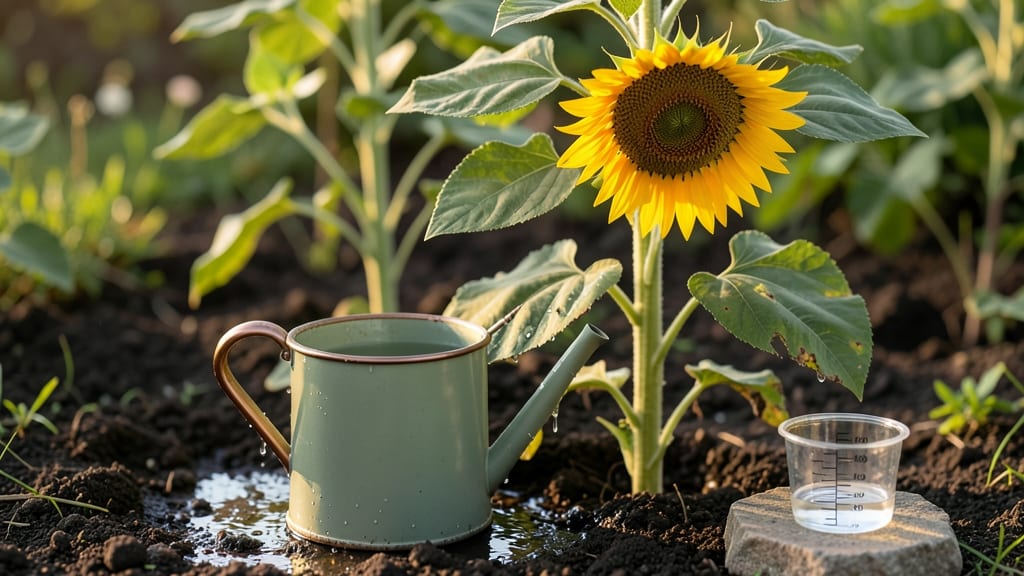
To keep your sunflower 🌻 thriving, how often should you water a plant isn’t just about sticking to a schedule—it’s about reading the soil.
Too much or too little can turn your towering blooms into wilted disappointments, and the key lies in a simple, science-backed method that works for every growth stage.
Most gardeners guess, but the real secret is checking soil moisture before reaching for the hose. I’ll show you exactly how to test it with just your fingers, so you never over- or underwater again.
This approach saves time, prevents common mistakes, and ensures your sunflowers grow strong from seedling to full bloom.
Whether you’re in Zone 6a or battling drought conditions, this method adapts to your climate. We’ll cover how often to water at each stage—from delicate seedlings to mature plants—and what to watch for when things go wrong. Ready to master the perfect watering routine?
By the end, you’ll know not just how often to water, but why it matters. Let’s get those sunflowers reaching for the sky without a single guess along the way.
Sunflower watering schedule by growth stage: how often to water for maximum height
Sunflowers grow best when their watering routine matches their growth stage—seedlings need gentle moisture, while mature plants thrive with deep, infrequent watering. Skipping this stage-specific approach often leads to yellowing leaves or stunted growth, even in well-drained soil.
The key is balancing moisture to support their rapid height gain without overburdening delicate roots.
Most gardeners water sunflowers on a fixed schedule, but this misses the critical shifts in water needs as plants mature. For example, a 1-week-old seedling wilts in hours without moisture, while a 6-foot-tall plant can survive days between waterings.
Understanding these transitions prevents common pitfalls like root rot or blossom drop.
During the seedling stage, sunflowers need consistent moisture to establish roots, but overwatering can suffocate them. I recommend using a spray bottle for the first week to avoid disturbing delicate sprouts.
As they grow taller, shift to deeper watering—aim for 1-2 inches of moisture at the soil base rather than frequent light sprinkles.
When sunflowers reach the budding stage (around 3-4 feet tall), their water needs increase dramatically to support rapid stem elongation. This is when many gardeners make the mistake of reducing water, thinking the plant is "established." In reality, budding plants require 20-30% more water than seedlings to prevent blossom drop.
At the flowering stage, deep watering becomes critical. Sunflowers can reach 10+ feet tall, and their roots spread wide to support that height. Watering shallowly at this stage leads to weak stems and drooping blooms.
Always water in the morning to allow foliage to dry before evening, reducing fungal risks.
For container-grown sunflowers, adjust this schedule by watering 1-2 days more frequently since pots dry out faster. Check soil moisture daily in extreme heat—containers can bake in sunlight, causing roots to overheat. A mulch layer (2-3 inches of straw) helps retain moisture and regulates soil temperature.
In drought-prone areas, sunflowers show remarkable resilience once established, but young plants still need protection. Use drip irrigation or soaker hoses to deliver water directly to roots, minimizing evaporation. If your region experiences 90°F+ temperatures, increase watering frequency by 25% during peak heat.
Watch for yellowing leaves—this often signals overwatering in seedlings or underwatering in mature plants. For seedlings, yellowing usually means root rot from soggy soil, while mature plants show stress when soil dries out too quickly.
Adjust your schedule based on these visual cues rather than sticking rigidly to the table.
Pro tip: Mulching isn’t just for moisture—it also suppresses weeds that compete for water. Apply organic mulch (like shredded leaves) once plants reach 12 inches tall, keeping it 3 inches away from stems to prevent rot.
The 3-Finger soil test: how to check sunflower water needs without a moisture meter
Sunflowers thrive when their roots stay in the goldilocks zone of moisture—not soggy, not bone-dry. The 3-finger soil test is my go-to method for determining when to water, and it works just as well as expensive tools.
This tactile approach lets you feel the soil’s moisture level at the right depth, so you’re never left guessing whether your sunflowers are thirsty or drowning.
Why rely on a schedule when soil conditions vary by season, soil type, and even weather? Sandy soil drains fast and needs frequent checks, while clay holds moisture longer.
The 3-finger test adapts to these differences, giving you precise feedback. Plus, it’s free, portable, and takes less than 10 seconds to perform—perfect for busy gardeners.
How to Perform the 3-Finger Soil Test
- 👆 Step 1: Choose the right time – Test soil in the morning (before watering) or evening (after sun has set) for accurate results.
- 👆 Step 2: Insert your index finger – Push it 1-2 inches deep (seedlings) or 3-4 inches deep (mature plants) into the soil near the plant’s base.
- 👆 Step 3: Check moisture level –
- Dry (no moisture): Water immediately.
- Damp (lightly moist): Water in 2-3 days.
- Wet (excess moisture): Wait 4-5 days before testing again.
- 👆 Step 4: Adjust for soil type –
- Sandy soil: Test daily—it drains fast.
- Clay soil: Test every 3-4 days—it retains moisture.
- Loamy soil: Test every 2-3 days—ideal balance.
- 👆 Step 5: Water deeply – If dry, soak the soil until water runs out the bottom of the pot (or 6 inches deep in-ground).
💡 Pro Tip: Use the same spot each time to track moisture trends over days.
For seedlings, focus on the top 1-2 inches of soil—their roots are shallow and dry out quickly. A light squeeze should feel like a wrung-out sponge.
If it crumbles, it’s time to water. Mature sunflowers, however, have deeper roots, so dig down to 3-4 inches—this is where their thirst is most accurately measured.
One of the biggest mistakes I see is watering on a strict schedule without checking the soil. For example, clay soil can stay soggy for days after rain, while sandy soil might need water twice in one day during a heatwave.
The 3-finger test eliminates these guesses, ensuring your sunflowers get just the right amount of water at every stage.
Beyond the basics, pay attention to leaf signals. Wilting leaves by midday often mean it’s time to water, but yellowing or mushy stems signal overwatering. Combine the soil test with these visual cues for foolproof results.
With this method, you’ll water with confidence, knowing your sunflowers are getting the perfect balance of moisture to reach their full height.
🌱 Now that you’ve mastered the test, your sunflowers will thank you with bold blooms and taller stems—no moisture meter required!