
Flowers
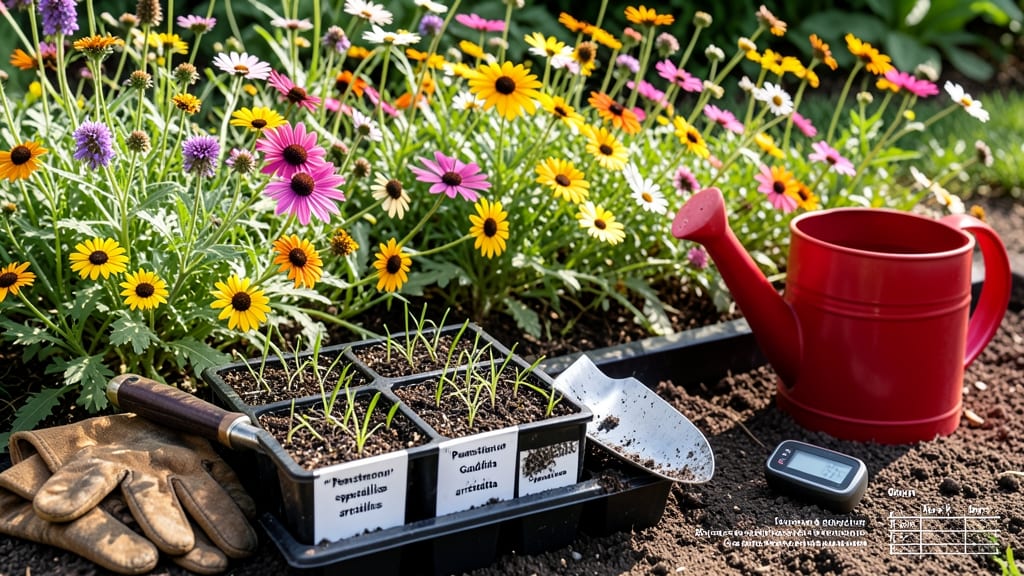
Timing your flower planting in Colorado isn’t one-size-fits-all—get it wrong, and your 🌸 blooms might never take off. The last frost date shifts dramatically from the Front Range to the mountains, meaning what works in Denver could fail in Aspen.
Whether you're dreaming of vibrant annuals or hardy perennials, knowing exactly when to plant saves you from wasted effort and frost damage.
Most Colorado gardeners wait until mid-April to mid-May for spring planting, but high-elevation zones like the Rockies often push that window into June. Fall planting for perennials? Aim for September 1 to October 15—before the first frost hits.
The key is matching your elevation to the right timeline, and I’ll break down how to do it without guessing.
You’ll also discover which flowers thrive in Colorado’s USDA Zones 5-7, from cold-resistant pansies to heat-loving marigolds. Plus, I’ll share pro tips to extend your planting season—like using row covers or starting seeds indoors—so you can enjoy blooms longer than the average gardener.
Let’s get those flowers in the ground at the perfect moment.
Ready to avoid the common mistakes that kill Colorado gardens? Stick around—I’ll walk you through frost-date maps, soil prep tricks, and the best flowers for your specific elevation. No more second-guessing when to plant!
Colorado’s frost dates by elevation: when to plant flowers safely
Colorado’s dramatic elevation changes—from the Eastern Plains at 3,000 ft to the Rocky Mountains above 10,000 ft—create wildly different frost timelines. In Denver (5,280 ft), your last spring frost might hit April 15, while Aspen (8,000 ft) gardeners often wait until June 1.
Understanding these patterns is key to avoiding frost damage and maximizing your flower blooms. Let’s break it down by elevation zone so you can plant with confidence.
Your USDA hardiness zone (typically 5-7 in Colorado) gives a baseline, but elevation adjustments are critical. For example, a zone 6 plant at 6,000 ft may thrive where a zone 5 plant struggles at 8,500 ft.
I’ve mapped out last spring frost dates and first fall frost dates for Colorado’s most common elevation bands, along with ideal planting windows for annuals vs. perennials. Use this as your guide to time your flower planting perfectly.
| Elevation Zone | USDA Zone | Last Spring Frost | First Fall Frost | Annual Planting Window | Perennial Planting Window |
|---|---|---|---|---|---|
| 2,000–4,000 ft (Southeast CO) | Zone 6b-7a | March 15–April 1 | October 20–November 1 | April 15–May 15 | September 1–October 15 |
| 4,000–6,000 ft (Front Range) | Zone 5b-6a | April 1–April 15 | October 1–October 15 | May 1–May 20 | August 15–September 15 |
| 6,000–8,000 ft (Mountain Foothills) | Zone 4b-5a | April 15–May 1 | September 15–October 1 | May 15–June 1 | July 15–August 15 |
| 8,000–10,000+ ft (High Country) | Zone 3b-4a | May 15–June 1 | September 1–September 15 | June 1–July 1 | June 15–July 15 |
🌱 Note: Microclimates (e.g., urban heat islands) can shift dates by 1–2 weeks.
For annual flowers like marigolds or zinnias, wait until the average last frost date has passed.
In Denver (5,280 ft), that’s usually mid-April, but I recommend checking your local CoCoRaHS station for real-time data. Perennials, like coneflowers or black-eyed Susans, can handle cooler temps, so plant them 4–6 weeks before your last frost to establish roots.
Colorado’s fall frost dates are equally critical. In zone 6 (e.g., Pueblo), you can plant cool-season flowers like pansies until October 20, while zone 4 (e.g., Leadville) gardeners must wrap up by September 15.
I’ve seen late-season blooms like asters or chrysanthemums thrive when planted in early September—just mulch heavily to insulate roots.
Pro tip: Use row covers or cold frames to extend your spring planting window by 2–3 weeks. I’ve successfully planted cold-hardy annuals like snapdragons in March in zone 6 using these methods. Just remove covers when temps rise above 50°F (10°C) to prevent overheating.
If you’re in high elevation (8,000+ ft), focus on short-season annuals like lobelia or sweet alyssum, which bloom quickly in cooler temps. Perennials like columbines or alpine penstemon are your best bets—they’re built to handle shorter growing seasons and dry mountain air.
I’ve had columbines rebloom year after year with minimal care.
Don’t forget about bulbs! Plant tulips and daffodils in fall (October–November) for spring blooms, but in zone 4, opt for hardy varieties like Ice Follies tulips or Tête-à-Tête daffodils.
These survive colder winters and still produce stunning flowers. I’ve seen daffodils push through snow in April—it’s magical!
For container gardening, you have more flexibility. Move pots to sheltered spots or greenhouses to delay frost exposure. I’ve kept petunias blooming until November in zone 6 by bringing them indoors at night. Just ensure pots have drainage holes to prevent root rot from overwatering.
Finally, track your local frost dates using resources like the National Weather Service or Colorado State University Extension. Their frost maps
Best flowers to plant by Colorado elevation zone (and when)
Colorado’s elevation zones create microclimates where pansies thrive in Denver while alpine flowers need late-June starts in the Rockies. The key to success? Matching your elevation to the right planting window and flower types.
Lowland gardeners (under 5,000 ft) can plant annuals like marigolds as early as mid-April, while high-country gardeners (above 8,000 ft) often wait until June to avoid frost.
Perennials and bulbs offer more flexibility, but timing still matters. Tulips and daffodils planted in fall (September-October) naturalize beautifully in all zones, while coneflowers and black-eyed Susans can handle Colorado’s dry summers once established. Let’s break down the best flowers for each elevation zone and their precise planting windows.
-
1.
2,000–5,000 ft (Front Range, Denver, Colorado Springs)
Best flowers: Pansies, Petunias, Marigolds, Zinnias, Tulips
Planting window: April 15–May 15 (spring); September 1–October 15 (fall)
Pro tip: Use row covers for early starts -
2.
5,000–7,000 ft (Western Slope, Boulder, Fort Collins)
Best flowers: Snapdragons, Columbines, Lavender, Coreopsis, Daffodils
Planting window: May 1–June 1 (spring); August 15–September 15 (fall)
Pro tip: Mulch heavily to retain moisture -
3.
7,000–9,000 ft (Aspen, Estes Park, Mountain Towns)
Best flowers: Alpine Penstemon, Yarrow, Delphiniums, Lupines, Iris
Planting window: June 1–July 1 (spring); July 15–August 15 (fall)
Pro tip: Start seeds indoors 6–8 weeks early -
4.
9,000+ ft (High Alpine, Leadville, Keystone)
Best flowers: Edible Flowers (Calendula), Hardy Geraniums, Primroses, Alpine Forget-Me-Nots
Planting window: July 1–August 1 (spring); August 15–September 1 (fall)
Pro tip: Use cold frames for extended seasons
For low-elevation zones (2,000–5,000 ft), focus on cool-season annuals like pansies and sweet alyssum. These tolerate light frosts and bloom early, perfect for Colorado’s unpredictable springs.
In mid-elevation areas (5,000–7,000 ft), prioritize drought-tolerant perennials such as lavender and coreopsis, which thrive in the drier air and shorter growing seasons.
High-elevation gardeners (7,000+ ft) should lean into alpine natives like penstemon and lupines, which handle short seasons and intense sunlight. These plants often need earlier starts indoors or row covers to compensate for the late planting windows.
Always check your local frost dates—Colorado’s USDA Zones 5-7 can shift dramatically over just a few miles!
Pro tip: Test your soil before planting, especially in high-elevation zones where poor drainage can be an issue. Amend with compost to improve water retention and nutrient availability. With the right flowers and timing, you’ll enjoy vibrant blooms from spring through fall—no matter your elevation! 🌷