
Plants
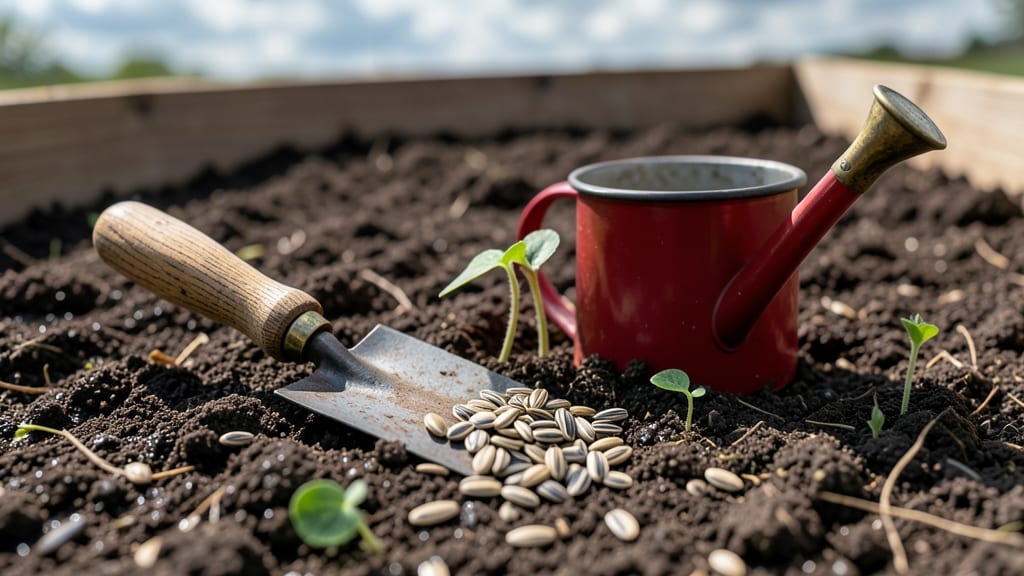
Planting sunflower seeds at the wrong time can leave you staring at sad, stunted sprouts instead of towering 🌻 giants reaching for the sky.
The secret to fast, healthy growth lies in waiting for that perfect soil temperature—50°F or warmer—where seeds germinate in just 7–14 days and bloom in record time.
Whether you're in the Northern Hemisphere (planting after last frost) or the Southern Hemisphere (late winter), timing matters more than you think. Skip the guesswork and learn the exact windows that guarantee your sunflowers will thrive, from seed to sun.
I’ll break down the science behind soil warmth, frost-free dates, and regional tweaks—plus common mistakes that kill your chances before they even sprout. Ready to grow sunflowers that put on a show?
Let’s dive into the fastest way to turn your garden into a sunflower paradise, no matter where you live.
When to plant sunflower seeds by climate zone: soil temperature rules
Sunflowers thrive when planted in warm soil, but the perfect timing depends on your USDA climate zone. The golden rule? Wait until soil temperatures consistently reach 50°F or higher—this triggers germination and prevents stunted growth.
In cooler zones, that might mean waiting until late spring, while warmer climates can start as early as March. Let’s break down the science and adjust your planting schedule for maximum blooms.
Soil temperature is more critical than air temperature for sunflower seeds. A soil thermometer (just $10 at garden centers) is your best friend—plant when readings hit 50°F at 2-inch depth for 3+ days. Cold soil slows germination, leaving seeds vulnerable to rot.
In USDA Zones 3–5, this often aligns with after the last frost date, but in Zones 6–9, you might start planting as early as March or April.
Here’s how to adjust planting dates by zone, including late-summer options for extended blooms:
In Northern climates (Zones 3–5), planting too early risks frost damage or seeds rotting in cold soil. Use black plastic mulch to warm the soil faster if you’re eager to start.
For Southern zones (7–10), late-summer plantings (July–August) can yield fall blooms, but avoid planting when daytime temps exceed 90°F—seeds may dry out before germinating.
Pro tip: Direct sow seeds 1 inch deep, 6 inches apart, and thin seedlings to 12–18 inches once they’re 4–6 inches tall. Sunflowers hate transplanting, so skip starting indoors unless you’re in a very short-season zone.
Even then, harden off seedlings for 1–2 weeks before moving them outside to avoid shock.
Watch for sprouts in 7–14 days if soil temps are ideal. If germination takes longer, check for consistent moisture—seeds need 1–1.5 inches of water per week once established. In drought-prone areas, mulch around plants to retain moisture and regulate soil temperature.
For extended blooms, try succession planting every 2–3 weeks in warm zones. This ensures flowers bloom from summer through fall, attracting pollinators like bees and butterflies.
Just remember: sunflowers need full sun (6+ hours daily), so choose a south-facing spot in the Northern Hemisphere or north-facing in the Southern Hemisphere.
If you’re in a transition zone (e.g., Zone 6–7), consider using a row cover to protect early plantings from late frosts. Remove it once soil warms up to 55°F to avoid overheating.
And if you’re growing sunflowers in containers, opt for dwarf varieties (like ‘Teddy Bear’) and plant after your last frost date—containers warm up faster but dry out quicker.
Timing isn’t just about the calendar—it’s about soil conditions. Test your soil’s pH (6.0–7.0 is ideal) and amend with compost if needed. Sunflowers are low-maintenance but reward precise planting with towering stems and vibrant
Sunflower seed planting calendar: month-by-month success timeline
Sunflowers thrive when planted at the right time, and your monthly planting calendar should align with your local climate. In USDA Zone 6, like much of the Midwest, aim for mid-April to early June after the last frost date.
But in warmer zones like California (Zone 9), you can start as early as February or even late summer for a second crop.
For cooler climates like Minnesota (Zone 4), focus on late May to early July to avoid early frosts. Container gardeners can extend their season by starting seeds indoors 4–6 weeks before the last frost date, then transplanting outdoors once soil warms to 50°F.
Here’s your month-by-month guide to planting sunflower seeds for maximum success:
| Month | Best Time to Plant | Notes |
|---|---|---|
| March | Southern states (Zone 8+) | Start early in warm climates; use row covers for cooler nights. |
| April | After last frost (Zones 4–7) | Ideal for most regions; soil should be at least 50°F. |
| May | Primary planting month (Zones 3–8) | Best for succession planting; ensure full sun exposure. |
| June | Late summer crop (Zones 5–9) | Plant for fall blooms; watch for heat stress in drought. |
| July | Emergency starts (Zones 6–10) | Use dwarf varieties for shorter seasons; expect smaller blooms. |
| August | Not recommended | Seeds may not mature before frost; avoid unless in Zone 10+. |
| September | Zone 10+ only | Plant for winter harvest; protect from cold snaps. |
In California’s mild winters, you can even plant sunflowers in September for winter blooms, while Minnesota gardeners should stick to May and June to avoid early frosts. For succession planting, sow new seeds every 2–3 weeks in May and June to enjoy blooms all summer.
Container gardeners can start seeds indoors 4–6 weeks before the last frost date, then transplant them into pots once soil temperatures reach 50°F. Use 5-gallon containers for dwarf varieties to ensure stability as they grow.
If you’re in a cooler climate, extend your growing season by planting sunflowers in black plastic mulch or using row covers to warm the soil faster. This trick can shave off 2–3 weeks of waiting time for ideal planting conditions.
Remember, sunflowers love warm soil and full sun, so choose your planting window wisely. With the right timing, you’ll be rewarded with towering blooms that attract pollinators and brighten your garden all season long. Happy planting! 🌻