
Flowers
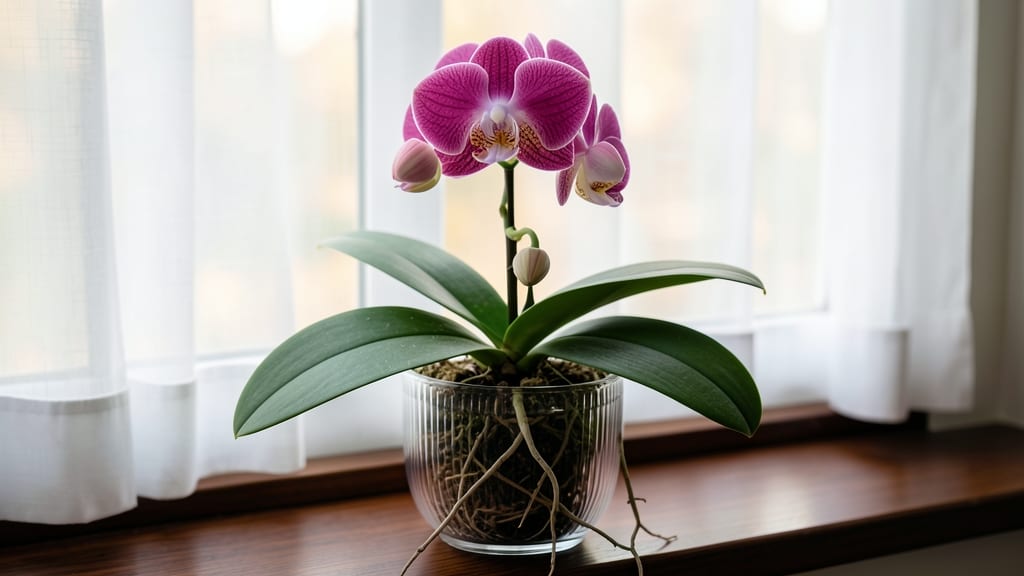
If you’ve ever watched an orchid’s delicate blooms unfold and wondered, "How long do these stunning flowers bloom?"—you’re not alone. The answer isn’t one-size-fits-all, but knowing the exact timeline for your orchid variety can help you plan for its fleeting yet breathtaking beauty.
Some orchids, like the beloved Phalaenopsis, grace us with 2 to 3 months of vibrant blooms, while others, such as Cattleyas, can shine for 4 to 6 weeks with proper care. The difference comes down to genetics, environment, and a few key care habits that many gardeners overlook.
In this guide, I’ll break down the bloom duration for popular orchid types, share the 5 biggest mistakes that cut blooms short, and reveal how to coax your orchid into reblooming—so you can enjoy its magic year after year.
Whether you’re a first-time orchid owner or a seasoned grower, these insights will help you maximize your orchid’s bloom time and troubleshoot early wilting before it happens.
Orchid bloom duration by popular variety: exact weeks & seasons
Orchids are famous for their long-lasting blooms, but the exact duration varies dramatically between varieties. A Phalaenopsis (moth orchid) might reward you with 8-12 weeks of flowers, while a Cattleya could only grace you with 4-6 weeks of showstopping blooms.
These differences aren’t random—they’re tied to genetics, seasonal cues, and even your local climate.
Understanding these timelines helps you set realistic expectations and adjust care routines. For example, Dendrobiums often bloom in late winter to spring, while Oncidiums (dancing ladies) may surprise you with 6-8 weeks of tiny, intricate flowers in summer.
Let’s break down the exact bloom durations by variety and how to maximize their time in full glory.
Here’s a quick comparison of the most popular orchid types, including their average bloom duration and seasonal patterns. This table will help you visualize which varieties align with your gardening goals and home environment.
| Orchid Variety | Avg. Bloom Duration | Peak Blooming Season | Climate Notes | Rebloom Potential |
|---|---|---|---|---|
| Phalaenopsis | 8-12 weeks | Year-round (with care) | Thrives in 60-80°F | High (with proper care) |
| Cattleya | 4-6 weeks | Late winter to spring | Needs 50-70°F nights | Moderate (varies by type) |
| Dendrobium | 3-6 weeks | Late winter to early spring | Requires dormancy period | Low (unless hybrid) |
| Oncidium | 6-8 weeks | Summer to fall | Loves humidity 50-70% | High (if healthy) |
| Paphiopedilum | 6-10 weeks | Spring to early summer | Prefers cooler temps | Moderate (with patience) |
The Phalaenopsis stands out as the longest-blooming orchid, often lasting 2-3 months with proper care. This makes it a favorite for beginners, but don’t let its longevity fool you—it still needs bright indirect light and consistent humidity (50-70%) to perform its best.
If you live in a dry climate, consider using a pebble tray or humidifier to keep its blooms vibrant longer.
Conversely, Cattleyas are known for their dramatic, fragrant blooms, but their shorter 4-6 week display means timing is everything. These orchids often bloom in late winter to spring, so plan ahead if you want to enjoy them during holidays.
A temperature drop at night (down to 50°F) can trigger their blooming cycle, so monitor your home’s nighttime temps if you’re growing them indoors.
Dendrobiums are unique because they require a dormancy period to rebloom. If you skip this step, you might see flowers, but they’ll fade faster. After blooming, let the plant rest in cooler temps (50-60°F) and reduce watering for 2-3 months before encouraging new growth. This patience pays off with longer-lasting blooms in subsequent seasons.
For garden
How to extend orchid bloom time: 5 proven care tips
Orchid blooms are a gardener’s dream—but their beauty often feels too short-lived. The good news? With the right care, you can extend your orchid’s bloom time by 2 to 4 weeks or more.
The key lies in mimicking their natural tropical environment and avoiding common pitfalls like overwatering or sudden temperature shifts.
Many gardeners mistakenly believe cutting the flower spike after blooming is necessary, but this can actually prevent future blooms. Instead, focus on optimizing light, humidity, and watering routines. These 5 science-backed tips will help your orchid stay in full glory longer while setting it up for reblooming.
Place orchids in bright indirect light (12-14 hours daily). Avoid direct sun, which scorches leaves. East-facing windows are ideal.
Maintain 50-70% humidity using a pebble tray or humidifier. Low humidity causes buds to drop prematurely.
Water once a week in spring/summer, less in winter. Use room-temperature water and avoid soggy roots.
Keep temps between 65-80°F during the day, avoiding drafts or sudden changes that stress the plant.
Wait to cut spikes until they turn yellow. Some orchids rebloom from the same spike with proper care.
Let’s start with light exposure, the most critical factor. Orchids need bright indirect light—think of it as sunlight filtered through a sheer curtain. A common mistake is placing them in south-facing windows, where direct rays can cause leaf burn and shorten bloom time.
If your orchid’s leaves turn yellow or develop brown patches, it’s getting too much sun.
Next, humidity control is often overlooked but makes a massive difference. Orchids thrive in tropical conditions with 50-70% humidity. If your home is dry (common in winter with heating), use a pebble tray or humidifier near the plant.
Drooping buds or flowers that open unevenly are signs of insufficient humidity.
Your watering schedule also plays a surprising role. Overwatering is the #1 killer of orchid blooms—it causes root rot, which starves the plant of nutrients. Water once a week in warmer months, letting the top inch of bark dry out between waterings.
In winter, reduce to every 10-14 days since growth slows.
Finally, post-bloom care determines whether your orchid will rebloom. Many gardeners cut the flower spike as soon as blooms fade, but this removes the plant’s energy source for next year’s flowers.
Instead, wait until the spike turns completely yellow and feels dry before trimming. Some orchids, like Phalaenopsis, can even produce new blooms from the same spike!
By mastering these 5 care tips, you’ll not only extend your orchid’s bloom time but also encourage healthier, longer-lasting flowers season after season. The secret? Consistency—orchids reward patient gardeners with stunning reblooms when given the right conditions. 🌸