
Flowers
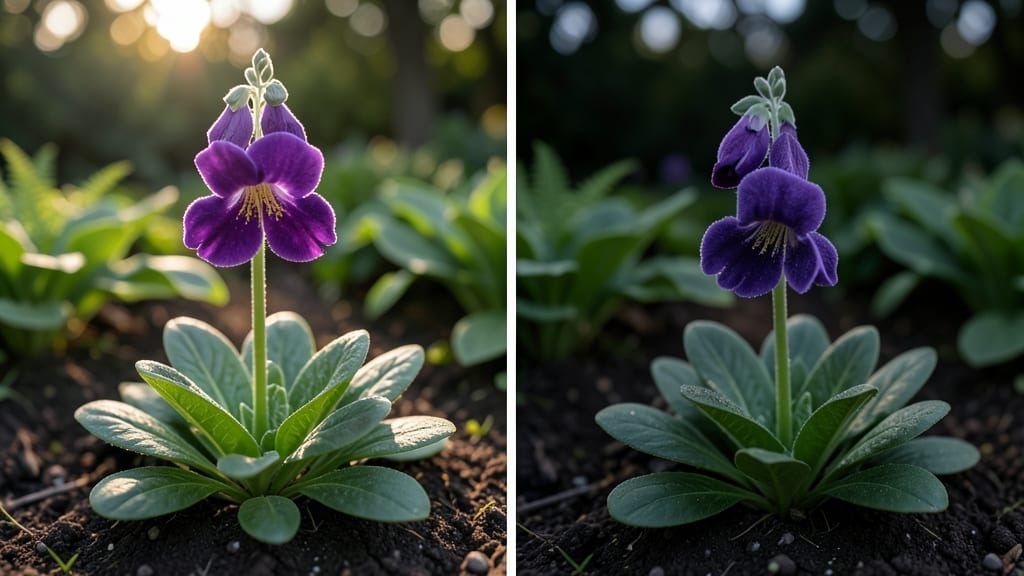
There's something magical about the purple flowers that open and close their petals as the sun dips below the horizon—only to close again by dawn. These nocturnal bloomers don’t just add beauty to your garden; they create a mesmerizing light show that transforms your outdoor space into a moonlit sanctuary.
If you’ve ever dreamed of a garden that feels alive after dark, you’re in the right place. These purple flowers aren’t just stunning—they’re nature’s own drama queens, opening and closing in response to the sun’s rhythm.
Whether you’re designing a romantic evening retreat or a pollinator-friendly oasis, these varieties will steal the show when the sky turns purple.
From the fragrant Moonflower Vine to the bold Four O’Clocks, each of these flowers has its own unique timing and charm. I’ll show you how to pair them with complementary plants, choose the perfect spot, and even extend their bloom time with a few clever tricks.
Get ready to turn your garden into a nighttime spectacle.
Let’s dive into the best purple night-bloomers, how to make them thrive, and why they’re the secret weapon for creating a garden that feels like a dream—especially after the sun goes down.
Top 7 purple flowers that open and close with moonlight
There’s something magical about watching purple flowers unfurl their petals as the sun dips below the horizon. These nocturnal bloomers don’t just add beauty—they transform your garden into a twilight spectacle.
Whether you’re designing a moon garden or simply want to extend your blooming season, these night-blooming purple flowers are perfect for creating drama after dark.
Many of these flowers follow a circadian rhythm, opening their petals in response to moonlight or twilight and closing as dawn approaches. Some even release a sweet fragrance that fills the evening air, attracting moths and bats for a lively nighttime ecosystem.
Let’s explore the top 7 purple flowers that put on this enchanting show.
| Flower Name | Bloom Time | Fragrance | Sunlight Needs | Height |
|---|---|---|---|---|
| Moonflower Vine (Ipomoea alba) | Dusk to midnight | Sweet, tropical | Full sun to part shade | 6-10 ft (vining) |
| Evening Primrose (Oenothera spp.) | Late afternoon to evening | Mild, fresh | Full sun | 1-3 ft |
| Four O’Clocks (Mirabilis jalapa) | Evening to night | Light, sweet | Full sun to part shade | 2-3 ft |
| Queen of the Night (Selenicereus grandiflorus) | Night (one night only!) | Strong, intoxicating | Full sun to part shade | Vining (10+ ft) |
| Purple Night Phlox (Zauschneria) | Late afternoon | None | Full sun | 1-2 ft |
| Honeysuckle (Lonicera spp.) | Evening to night | Sweet, honey-like | Full sun to part shade | 6-12 ft (vining) |
| Moon Vine (Calonyction aculeatum) | Dusk to dawn | Mild, floral | Full sun to part shade | 10-15 ft (vining) |
The Moonflower Vine is a standout with its large, white-to-purple blooms that open at dusk and close by dawn. Its tropical fragrance makes it a favorite for evening strolls. Plant it near a trellis or fence to create a dramatic vertical display that glows under moonlight.
Four O’Clocks are another favorite, known for their vibrant purple flowers that bloom in the late afternoon and stay open until nightfall. These perennial flowers are drought-tolerant and thrive in well-draining soil, making them low-maintenance additions to any garden. Their unique four-petaled blooms add a whimsical touch to evening landscapes.
For a one-night-only spectacle, the Queen of the Night cactus is unmatched. This ephemeral bloomer opens its large, fragrant purple flowers just once a year, typically in late summer or early fall.
The experience of witnessing its brief but stunning display is unforgettable—just be prepared for the intoxicating scent that fills the air!
If you love fragrant night blooms, Honeysuckle is a must-have. Its tubular purple flowers release a honey-like aroma that attracts hummingbirds and moths after dark. This fast-growing vine can climb trellises or sprawl along fences, adding both scent and structure to your garden.
For a low-maintenance option, consider Purple Night Phlox. This drought-tolerant perennial produces clustered purple flowers that open in the late afternoon and stay vibrant until evening. It’s perfect for rock gardens or slopes where other plants might struggle.
To maximize their nocturnal beauty, pair these purple flowers with silver foliage plants like lamb’s ear or dusty miller. The contrast will make the moonlit blooms stand out even more, creating a mesmerizing visual effect that’s pure magic.
Ready to create your own <
Why and how these flowers track the sun’s cycle
Those purple flowers that open and close at night aren’t just putting on a show—they’re following a built-in biological clock. This fascinating behavior, called nyctinasty, is how plants respond to light, temperature, and even humidity.
For your moonlit garden, understanding this rhythm helps you create the perfect conditions for consistent nocturnal blooms.
At the heart of this movement is the plant’s circadian rhythm, a 24-hour internal clock that syncs with sunlight. When the sun sets, these flowers release hormones that trigger their petals to unfurl, revealing their vibrant purple hues.
As dawn approaches, another hormone signal closes them up, conserving energy for the next cycle. It’s like nature’s built-in timer!
Temperature plays a surprising role too. Cooler evenings often enhance blooming, while sudden heat spikes can disrupt the cycle. For example, Moonflower Vine thrives in 60-75°F evenings, while Four O’Clocks may close prematurely if nights stay too warm.
Humidity also matters—dry air can cause petals to wilt before fully opening.
- 1. Mimic natural light: Use timed LED grow lights (12 hours on/off) to simulate sunset/sunrise if your garden lacks ideal light conditions.
- 2. Choose the right spot: Plant in partial shade with morning sun—this prevents overheating while ensuring they get enough light to "charge" for nighttime blooms.
- 3. Mulch for stable temps: Apply 2-3 inches of organic mulch to regulate soil temperature and retain moisture, which keeps the blooming cycle consistent.
- 4. Prune strategically: Trim spent blooms in morning to redirect energy to new flowers—this extends the blooming season by up to 3 weeks.
- 5. Water wisely: Deep water in late afternoon (not evening) to hydrate roots without wetting petals, which can attract pests and disrupt blooming.
For extended bloom times, try placing a low-wattage solar light near your plants—some varieties (like Evening Primrose) will respond to artificial light cues, encouraging them to stay open longer. Just avoid bright lights that can stress the plants or attract unwanted insects.
If your purple night-bloomers start closing too early or not opening at all, check for these common issues: overwatering, nutrient deficiencies (especially phosphorus), or poor airflow. A quick soil test and balanced fertilizer can work wonders for reviving their natural rhythm.
With the right conditions, your garden will become a nightly spectacle—where purple blooms dance with the moon and your guests feel like they’ve stepped into a magical realm. The best part? You’re not just growing flowers; you’re hosting a living light show every evening. 🌸