
Flowers
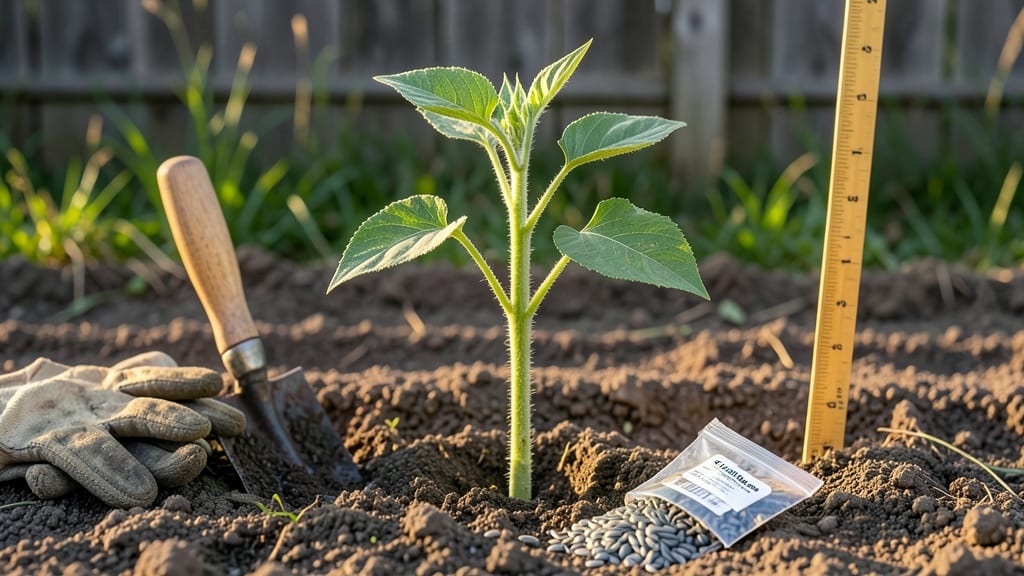
Planting sunflowers at the wrong time in Zone 8 can mean watching them bolt before they ever bloom—so timing isn’t just about dates, it’s about soil warmth and frost risks. 🌻 The ideal window opens when soil temperatures hit 55°F and stays there, usually around mid-spring after your last frost date.
Most gardeners in Zone 8 swear by direct sowing after March 15, but coastal areas may need to wait a few weeks longer due to cooler ocean breezes. Inland zones can plant earlier, as long as nighttime temps stay above 40°F—cold snaps will stall germination.
For continuous blooms, stagger plantings every 2 weeks through early summer, choosing fast varieties like 'Moulin Rouge' for early color or 'Russian Giant' for late-season drama. The key? Plant seeds 1 inch deep in well-drained soil with full sun.
I’ll break down exactly how to time your sunflower planting for maximum blooms—plus pro tips to protect late plantings from unexpected frost. Ready to grow towering, cheerful sunflowers that last all summer?
Zone 8 sunflower planting timeline: frost dates, soil temps & ideal window
Sunflowers thrive in Zone 8’s warm climate, but timing your planting is critical to avoid frost damage or stunted growth.
Unlike cooler zones, Zone 8’s frost-free window spans from mid-March to mid-November, but your specific last frost date can vary by 5-10 days depending on whether you’re near the coast or inland.
For example, Los Angeles typically sees its last frost around December 15, while San Antonio warms up by March 1. Always check your local USDA frost map or ask your county extension office for precision.
Soil temperature is the real game-changer for sunflowers. These heat-loving plants won’t germinate until the soil reaches a consistent 55°F or warmer. In Zone 8, this usually aligns with mid-April to early May for inland areas, but coastal regions like San Diego can start as early as February.
Use a soil thermometer to test—stick it 2 inches deep in the morning for the most accurate reading. If it’s below 55°F, wait a week or two before planting.
A 4-6 week planting window is ideal for most sunflower varieties in Zone 8. For direct sowing, aim to plant seeds 2-4 weeks after your last frost date when soil temps are stable.
Transplants, if you’re using them, should go in 1-2 weeks earlier to give roots time to establish.
This window ensures your sunflowers mature before fall frosts hit in late October or November, giving you 100-120 days of growth—plenty of time for even the tallest varieties like Russian Giant to reach their full height.
Here’s a quick reference for your Zone 8 sunflower planting timeline, including regional variations:
| Region Type | Last Frost Date | Ideal Planting Window | Soil Temp Threshold | Notes |
|---|---|---|---|---|
| Inland (e.g., San Antonio, Austin) | March 1 - March 15 | April 15 - May 1 | 55°F+ | Hotter summers; plant early to avoid heat stress. |
| Coastal (e.g., Los Angeles, San Diego) | December 15 - January 15 | February 15 - March 15 | 55°F+ | Cooler nights; extend season with row covers. |
| Desert (e.g., Phoenix, Tucson) | January 15 - February 1 | February 20 - March 10 | 60°F+ (warmer soil preferred) | Extreme heat; mulch heavily to retain moisture. |
If you’re unsure about your exact frost date, use the 50°F soil temperature rule as a backup. Sunflowers won’t germinate below this, so it’s a safer bet than guessing. For direct sowing, scatter seeds 1 inch deep and 12-24 inches apart, depending on the variety.
Dwarf sunflowers like Teddy Bear can be planted closer together (6-12 inches), while giants like Mammoth need 24+ inches of space. Water lightly after planting to settle the soil, but avoid overwatering—sunflowers hate soggy roots.
For transplanting, start seeds indoors 4-6 weeks before your last frost date in biodegradable pots. Harden off seedlings for 7-10 days before transplanting, and choose an overcast day to reduce transplant shock. Dig holes slightly deeper than the root ball and water thoroughly after planting.
This method gives you a 2-week head start, which is especially useful if you’re growing late-season varieties like Autumn Beauty that need extra time to mature.
Pro tip: Use a soil thermometer for 3 consecutive days to confirm soil warmth. Stick it in the ground where you plan to plant and check readings in the morning. If temps dip below 55°F at night, wait another week—cold snaps can delay germination for 10-14 days.
I’ve seen this happen in Central Texas when a late frost hits in April; patience pays off with stronger, healthier plants.
Don’t forget about succession planting to extend your sunflower season. If you plant a second batch 4-6 weeks after your first, you’ll enjoy blooms well into October.
Just be mindful of fall frost dates—most Zone 8 areas see the first frost in November, so aim to have your second batch mature by mid-October. This works especially well for short-season varieties like ProCut, which bloom in just 50 days.
Finally, watch for microclimate differences in your garden. Areas near buildings or pavement warm up faster in spring, while shady spots under trees stay cooler. Test multiple locations with your soil thermometer to find the
Best sunflower varieties for Zone 8: fast-growing vs. tall giants & their planting needs
Not all sunflowers thrive equally in Zone 8’s long, hot summers and mild winters. Fast-growing varieties like 'Moulin Rouge' bloom in 60 days—perfect for early plantings—while Russian Giants take 120 days and need late-summer starts.
Your choice affects planting timing, frost sensitivity, and even garden space needs.
Dwarf varieties like 'Teddy Bear' (3–4 ft tall) fit small gardens and can handle cooler coastal Zone 8 areas, while mammoth types like 'Mammoth Russian' (12–14 ft) demand deep soil and late starts to avoid early fall frosts. Let’s match your sunflower dreams to Zone 8’s growing window.
| Variety | Height | Days to Bloom | Zone 8 Planting Window | Frost Tolerance |
|---|---|---|---|---|
| Moulin Rouge | 5–6 ft | 60–65 days | Late March–April | Moderate (avoid <40°F) |
| Teddy Bear | 3–4 ft | 50–55 days | April–May | High (cooler microclimates) |
| Russian Giant | 10–14 ft | 110–120 days | May–June | Low (needs frost protection) |
| Autumn Beauty | 8–10 ft | 90–100 days | April–May | Moderate (late blooms) |
| Sunspot | 2–3 ft | 45–50 days | March–June (succession) | High (early/late plantings) |
Fast varieties like 'Moulin Rouge' and 'Sunspot' are my top picks for Zone 8’s early spring (after March 15). Their short growth cycles mean they’ll bloom before summer heat peaks, while 'Teddy Bear'’s compact size makes it ideal for containers or small gardens where space is limited.
For late-season drama, 'Russian Giant' and 'Autumn Beauty' need May or June starts to avoid fall frosts. Plant them near sheltered walls or use row covers if early November chills threaten. I’ve even seen gardeners stagger plantings every 2 weeks to extend blooms until frost.
Pro tip: Soil temperature matters more than calendar dates. Use a soil thermometer—wait until readings hit 55°F+ for 5+ days before sowing. In coastal Zone 8, this often means delaying until April due to cooler ocean breezes.
Whether you’re chasing early color, giant blooms, or continuous summer flowers, your sunflower variety dictates planting strategy. Pick wisely, and you’ll enjoy bold, cheerful faces from spring to frost. 🌻