
Planting
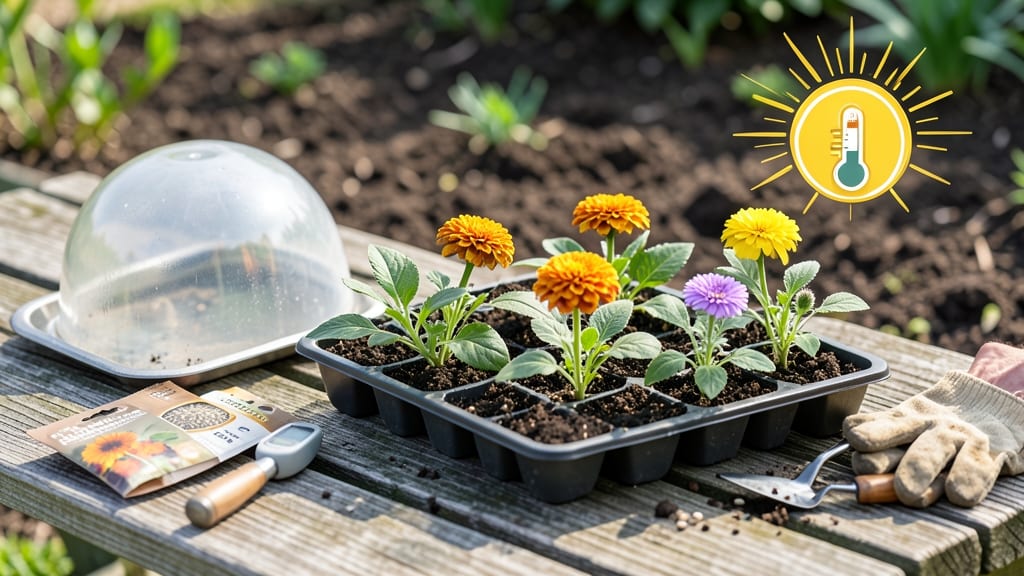
Planting your flower seeds at the wrong time can leave you staring at empty soil instead of a blooming garden—soil warmth is the game-changer most gardeners overlook. Whether you're in USDA Zone 6a or another region, timing your sowing to match soil temperatures ensures stronger roots and faster growth.
Cooler-season bloomers like pansies love 50-60°F soil, while heat-loving zinnias thrive in 65-75°F. But how do you know when your soil is ready? I’ll show you how to test it and adjust your schedule for maximum success, even if you’re eager to start early.
From spring sowing after the last frost to fall prep for winter hardiness, this guide covers the best planting windows for every type of flower. You’ll learn which varieties to plant when, how to avoid common mistakes, and when to use row covers for extra warmth.
Ready to transform your garden into a continuous bloom show? Let’s dive into the soil science that will finally give you the vibrant, long-lasting flowers you’ve been dreaming of.
Soil warmth thresholds for planting flower seeds by type
Getting your flower seeds in the ground at the right time isn't just about calendar dates—it's all about soil temperature. Cool-season flowers like pansies and snapdragons thrive when soil is still chilly, while marigolds and zinnias need warm earth to germinate.
Understanding these soil warmth thresholds helps you avoid the heartbreak of seeds that refuse to sprout or seedlings that bolt too quickly.
Most flower seeds require soil temperatures between 40°F and 90°F to germinate properly, but the ideal range varies dramatically by plant type. Cool-season flowers often germinate best at 50-65°F, while warm-season varieties prefer 70-85°F.
Even a few degrees difference can mean the difference between a thriving garden and a failed planting. Let's break down the specifics so you can time your plantings like a pro.
Regional adjustments are crucial too. Gardeners in USDA Zone 5 or colder may need to start cool-season flowers indoors or use row covers to protect early plantings, while those in Zone 8+ can often plant warm-season flowers weeks earlier. Always check your local frost dates and monitor soil temps before sowing.
| Flower Type | Ideal Soil Temp (°F) | Best Planting Time | Regional Notes |
|---|---|---|---|
| Cool-Season Flowers | 50-65°F | Early spring or fall | Start seeds indoors 6-8 weeks before last frost |
| Pansies, Violas | 50-60°F | March-April or Sept-Oct | Tolerates light frost; avoid summer heat |
| Snapdragons, Sweet Peas | 55-65°F | April or Aug-Sept | Direct sow after soil warms to 55°F |
| Warm-Season Flowers | 70-85°F | After last frost | Wait until soil reaches 70°F consistently |
| Marigolds, Zinnias | 70-80°F | May-June | Germinates quickly in warm soil |
| Sunflowers, Cosmos | 75-85°F | Late spring to early summer | Drought-tolerant; plant after frost danger |
| Neutral-Season Flowers | 60-75°F | Spring or fall | Adaptable to temperature changes |
| Calendulas, Nasturtiums | 60-70°F | March-April or Sept | Edible flowers; great for succession planting |
For cool-season flowers, timing is all about avoiding heat stress. Plant pansies and snapdragons when soil temps hover around 50-60°F—typically in early spring or late summer. These flowers actually bolted (flower prematurely) if soil gets too warm, so monitor temps closely.
In Zone 5, I often start these indoors in late winter using a seedling heat mat to jumpstart germination.
Warm-season flowers like marigolds and zinnias demand patience. Don't rush to plant these until your soil reaches
How to test and adjust soil temperature for optimal germination
Soil temperature isn’t just about whether it’s warm or cold—it’s the hidden factor that determines whether your flower seeds will sprout or rot. Most gardeners focus on air temperature or frost dates, but seeds need warmth to activate.
For example, marigolds need soil at 65°F+, while pansies thrive in 50-60°F. Without testing, you might plant too early and end up with moldy seeds or too late and miss the growing season.
Testing soil temperature is simpler than you think. A soil thermometer (just $10 at garden centers) gives instant readings, but if you don’t have one, I’ll show you a DIY method using common household items.
The key is consistency—check temperatures at the same time daily, ideally in the late afternoon when soil is warmest. This ensures your readings match the conditions your seeds will face.
If your soil is too cold for your chosen flowers, don’t panic! Cold frames or row covers can add 10-15°F of warmth, while black plastic mulch absorbs sunlight and heats soil faster.
For early spring planting, I’ve even used clear plastic bottles as mini greenhouses to jumpstart germination. The goal is to create the ideal 50-75°F range depending on your flower type.
⚠️ CAUTION: Planting Too Early or Too Late ⚠️
Pro Tip: Use a soil thermometer for 3 consecutive days to confirm consistency. If temps fluctuate more than 10°F, wait another week.
For warm-season flowers like zinnias or sunflowers, you can speed up soil warming with a few tricks. Dark-colored mulch (like black plastic) absorbs heat, while straw or leaves insulate against cold snaps. If you’re in a hurry, plant in raised beds—they warm up 2-3 weeks faster than in-ground soil.
I’ve even buried old garden hoses filled with hot water to gently heat the soil before planting. Just be careful not to overheat, as temps above 85°F can damage seeds.
Timing your planting isn’t just about the calendar—it’s about soil science. By testing and adjusting, you’ll avoid the heartbreak of failed germination and instead enjoy a garden bursting with color.
Start with a soil thermometer, then experiment with row covers or mulch to fine-tune your schedule. Your flower seeds will thank you with stronger roots and earlier blooms!
🌱