
Flowers
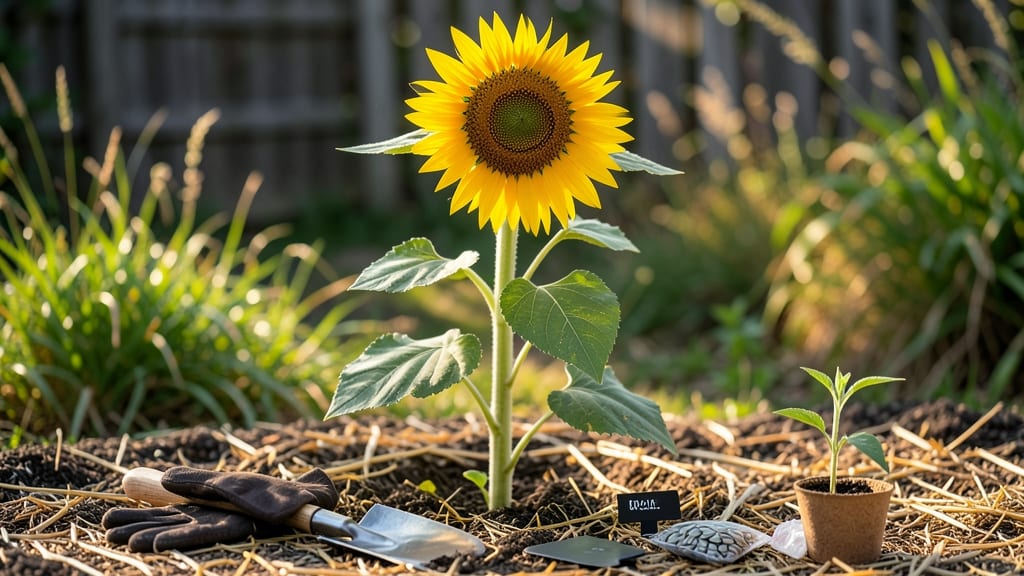
Planting sunflowers in South Carolina at the wrong time can mean the difference between a 14-foot giant blooming in your garden and a sad, stunted plant that never reaches its potential.
The key to success? Timing it right with your local frost dates and soil warmth—because these sun-loving plants 🌻 won’t tolerate cold feet.
If you’ve ever wondered why your sunflowers wilted before they could shine, you’re not alone. South Carolina’s 7b-8b climate gives you a narrow window—typically late March to early April—to get seeds in the ground after the last frost.
But here’s the catch: even if the calendar says spring, the soil might still be too cold for those tender sprouts.
Don’t stress—I’ll break down exactly when to plant for your specific region, whether you’re in Charleston, Greenville, or Columbia. You’ll also discover how to adjust for fall plantings and pick the best varieties for SC’s heat and humidity. Let’s make sure your sunflowers grow tall, proud, and full of sunshine.
Ready to turn your garden into a sunflower spectacle? The first step is knowing when to plant—and I’ve got all the details to help you nail it. Let’s get started!
South Carolina sunflower planting timeline: frost dates & soil warmth guidelines
Timing your sunflower planting in South Carolina depends on two critical factors: soil temperature and last frost dates. Since SC spans USDA zones 7b-8a, frost-free windows vary by region—Charleston warms earlier than Greenville or Columbia.
For optimal growth, wait until soil reaches 60°F+ and the threat of frost has passed.
Most gardeners in SC plant sunflowers directly in the ground after the last frost, which typically falls between mid-March and early April. However, fall planting is also possible for late-season varieties. Let’s break down the exact windows for your region to maximize those towering blooms you’re dreaming of.
⚠️ CRITICAL NOTE: Sunflowers cannot tolerate frost, so rushing planting before soil warms risks stunted growth or death. Use a soil thermometer to confirm readiness—60°F is your magic number for germination.
For Charleston gardeners, you’ve got the advantage—soil warms quickly, and you can plant as early as late February if temperatures stay above 60°F.
Meanwhile, Greenville and Upstate gardeners should wait until mid-April to avoid frost damage. Pro tip: Use a frost clock or local weather alerts to track your region’s last frost date.
If you’re planting for fall blooms, aim for late summer (August-September). Autumn Beauty varieties thrive in cooler temps and can handle light frosts better than other types. Just be sure to harvest seeds before the first hard frost hits in November.
Sunflowers are fast growers, but they need consistent warmth to reach their full height. If you plant too early and hit a cold snap, seedlings may rot. Test your soil with a thermometer—60°F is non-negotiable for germination.
For succession planting, sow new seeds every 2-3 weeks after your initial planting. This ensures continuous blooms from summer through early fall. Just remember: no frost means no sunflowers—plan accordingly!
Once your sunflowers hit 1-2 feet tall, they’re drought-tolerant, but young seedlings need consistent moisture. Water deeply in the morning to prevent fungal issues. With the right timing, you’ll have sunflower stalks reaching 10+ feet by summer’s end.
Don’t let SC’s heat fool you—soil temperature matters more than air temperature. A 75°F day with 55°F soil will stall germination. Always check below the surface for the best results.
🌻
Best sunflower varieties for SC’s climate & how to adjust planting times
Choosing the right sunflower variety for South Carolina’s humid heat and long growing season can make all the difference between wilted dreams and show-stopping blooms. With USDA zones 7b-8a, you’ve got options for fast growers, heat-tolerant varieties, and giant sunflowers that’ll dwarf your neighbors.
Each type has its own ideal planting window to maximize success in SC’s climate.
For Charleston’s early spring, 'Moulin Rouge' is my top pick—a dwarf variety that matures in just 50-55 days. Its red-petaled blooms add a pop of color, and it thrives when planted in late February for summer blooms or late August for fall interest.
The key? Plant these after soil warms to 60°F—they won’t tolerate cold soil.
Autumn Beauty is another standout for SC gardeners, especially in Upstate regions where summers are hotter. This heat-tolerant variety handles 90°F+ temps like a champ and can even take light frosts in fall. For best results, plant in mid-April for summer blooms or early August for autumn color. Its multi-colored petals make it a pollinator magnet.
🌻 Sunflower Variety Planting Guide for SC
'Moulin Rouge'
✅ Plant: Late Feb (Charleston) / Early Apr (Upstate)
✅ Days to Bloom: 50-55
✅ Height: 2-3 ft
✅ Best For: Containers, early blooms
'Autumn Beauty'
✅ Plant: Mid-Apr / Early Aug (fall)
✅ Days to Bloom: 60-70
✅ Height: 4-5 ft
✅ Best For: Pollinators, fall color
'Russian Giant'
✅ Plant: Early Apr (after frost)
✅ Days to Bloom: 80-100
✅ Height: 10-14 ft
✅ Best For: Dramatic impact, seed production
If you’re dreaming of 10-foot giants, 'Russian Giant' is the variety to plant—but it needs extra time and space. Start seeds indoors in March or plant directly in early April after the last frost.
These beauties take 80-100 days to bloom, so don’t rush the planting. They’ll need staking in windy areas and deep watering during SC’s dog days of summer.
For fall planting, 'Autumn Beauty' and 'Teddy Bear' are your best bets. Aim for late July to early August in Upstate regions or early September in Charleston. These varieties handle cooler temps better than others, giving you late-season color when many gardens fade.
Just be sure to harvest seeds before the first frost—November 15 is your deadline.
One variety I avoid in SC’s heat is 'Mammoth Russian'. While it’s stunning, its long growing season often gets cut short by hurricane season or fall frosts.
Instead, opt for 'ProCut' if you want large heads for cutting—it matures in 65-70 days and handles heat better than its giant cousins.
Remember: soil prep matters just as much as variety choice. Amend your beds with compost before planting, and choose a sunny spot with 6+ hours of direct light. With the right variety and timing, you’ll have sunflowers reaching for the sky all summer long. 🌻