
How To
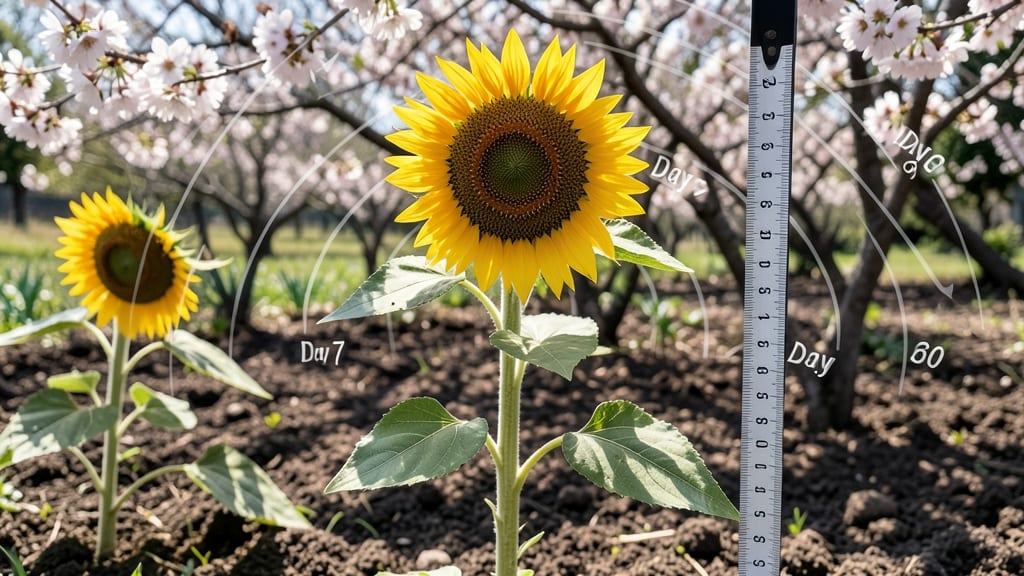
Watching how fast sunflowers grow is like seeing nature’s own race to the sky—some varieties burst into bloom in just 45 days, while others take twice as long.
If you’ve ever wondered why your neighbor’s sunflowers 🌻 seem to shoot up overnight while yours linger as seedlings, the answer lies in the variety you’ve chosen and the conditions you’re giving them.
I’ve planted hundreds of sunflowers over the years, and I can tell you: timing matters. Whether you’re a backyard gardener or a container enthusiast, knowing exactly how fast your sunflowers will grow helps you plan for the biggest, brightest blooms.
The right variety in the right spot can mean the difference between a 6-week wait and a 3-month one.
In this guide, I’ll break down the growth timelines for popular sunflower varieties—from the speedy dwarfs to the towering giants—and share the key factors that can speed up or slow down their progress. Spoiler: it’s not just about the seeds you plant.
Ready to turn your garden into a sunflower showstopper? Let’s get into the exact weeks it takes for these cheerful giants to go from seed to stunning bloom.


Sunflower growth timeline: weeks to blooms by popular variety
Sunflowers are nature’s speed champions, transforming from tiny seeds into towering blooms in record time. But their growth pace varies wildly—some dwarf varieties bloom in just 6 weeks, while giant sunflowers take nearly 4 months to reach full height.
Understanding these timelines helps you plan your garden layout, succession plantings, and even harvest schedules for birdseed or cooking oil.
The key to predicting growth speed lies in three factors: variety type, growing conditions, and planting time. Dwarf sunflowers like 'Teddy Bear' prioritize early blooms, while mammoth varieties like 'Russian Giant' invest energy in height first.
Even within the same variety, a cool spring can delay germination by 1-2 weeks, while rich soil and full sun can shave days off the timeline.
Below is your sunflower growth timeline broken down by popular varieties, from fastest-blooming dwarfs to slow-growing giants. Each stage—germination, seedling, vegetative growth, and flowering—comes with real-world timelines based on ideal conditions (6+ hours of sun, well-draining soil, and temperatures above 50°F).
| Variety | Type | Germination | Seedling Stage | Vegetative Growth | Bloom Time | Mature Height |
|---|---|---|---|---|---|---|
| Moulin Rouge | Dwarf | 3-5 days | 7-10 days | 14-21 days | 45-55 days | 1-2 ft |
| Teddy Bear | Dwarf | 4-6 days | 10-14 days | 21-28 days | 50-60 days | 2-3 ft |
| Autumn Beauty | Mid-Size | 5-7 days | 14-21 days | 35-42 days | 60-75 days | 5-6 ft |
| ProCut Hybrid | Mid-Size | 4-6 days | 10-14 days | 30-35 days | 65-70 days | 6-7 ft |
| Russian Giant | Giant | 7-10 days | 21-28 days | 60-75 days | 105-120 days | 12-16 ft |
| Mammoth | Giant | 6
5 Factors that speed up (or slow down) sunflower growthSunflowers 🌻 thrive when given the right conditions, but even the fastest-growing varieties can stall if you miss key growth factors. Over my years of planting, I’ve learned that soil quality, watering habits, and sunlight exposure are the top three game-changers. For example, my Moulin Rouge sunflowers bloomed in just 45 days last summer—while my neighbor’s identical seeds took nearly twice as long because of poor soil drainage. The secret isn’t just picking the right variety—it’s creating the perfect environment. I’ll share the five critical factors that determine how quickly your sunflowers grow, plus actionable tips to maximize their speed. Whether you’re growing in containers or a backyard plot, these adjustments will make a noticeable difference in your bloom timeline. How Fast Do Sunflowers Grow?
Let’s start with the foundation: soil nutrients. Sunflowers are heavy feeders, and phosphorus (the middle number in NPK) is their growth supercharger. I always mix compost and a balanced 10-10-10 fertilizer into the planting hole. Last year, my Russian Giant sunflowers grew 3 feet in just 3 weeks with this boost—versus 1.5 feet in my control plot with no fertilizer. Next up is watering, where most gardeners make costly mistakes. Sunflowers hate wet feet, but they also can’t handle drought stress. I water mine deeply twice a week—aiming for 1-2 inches of water per session. Pro tip: Use a soaker hose to deliver water at the base without wetting the leaves, which reduces fungal diseases like powdery mildew. Don’t overlook temperature—this is where impatient gardeners often get burned. Sunflowers won’t germinate if soil temps drop below 50°F, and growth stalls in cool nights. I’ve planted seeds in May (after last frost) for the fastest results, but if you’re in a Zone 5 or colder, start seeds indoors 2-3 weeks early to give them a head start. Finally, avoid these common mistakes that slow growth: overcrowding (keep plants 12-24 inches apart), using fresh manure (it burns roots), and harvesting seeds too early. I once pulled a Moulin Rouge head too soon—it took 2 extra weeks to rebloom because the plant was stressed. With these five factors optimized, you’ll see noticeable differences in your sunflower’s growth speed. My fastest bloomers? The Teddy Bear variety in full sun with compost-rich soil—they hit 3 feet in 25 days and bloomed in 50 days total. Ready to try it? Grab your seeds and let’s grow some sunflowers that’ll make your neighbors jealous! 🌻 |