
How To
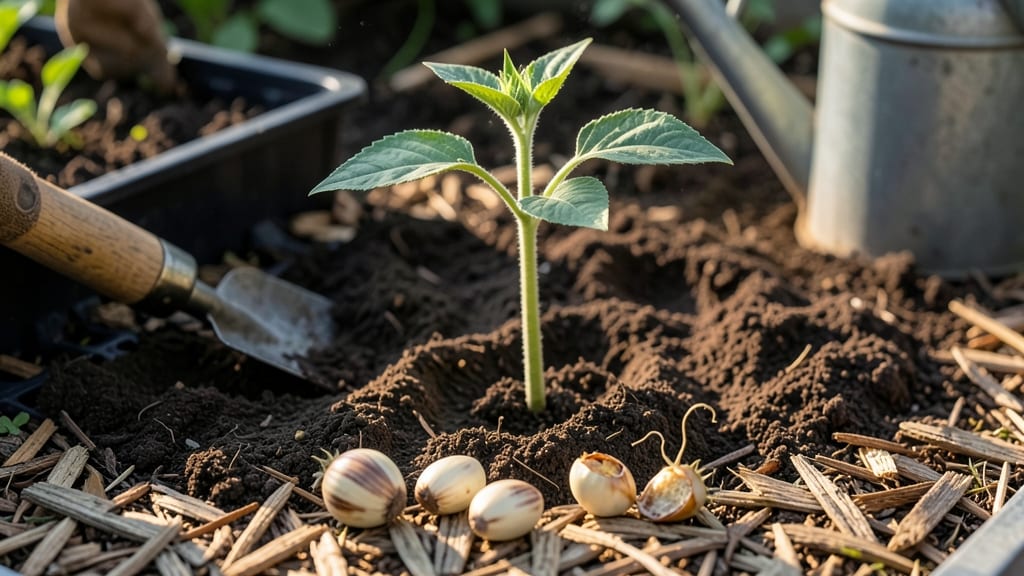
Watch your sunflower seeds how fast do they grow from tiny specks to towering 🌻 giants in just a few short weeks—some varieties even crack through the soil in as little as 3 days! If you've ever wondered how quickly these cheerful blooms grow, you're not alone.
The secret lies in understanding their rapid growth stages, from the first sprout to those iconic sunlit faces peeking over your garden fence.
For home gardeners in USDA Zone 6a, timing is everything. Planting sunflower seeds in April or May sets the stage for explosive growth, with some dwarf varieties reaching maturity in as little as 60 days.
But not all sunflowers grow at the same pace—giant varieties like 'Russian Giant' take longer, while compact types like 'Teddy Bear' deliver faster results. Knowing which to pick can make all the difference between a frustrating wait and a summer full of blooms.
What if I told you there are simple tricks to double your sunflower's growth speed? From pre-soaking seeds to choosing the right soil, small adjustments can turn a slow starter into a garden showstopper.
Whether you're a first-time gardener or a seasoned pro, these insights will help you maximize your sunflower's potential—so you can enjoy those golden faces from July through September.
Let’s break down the science behind sunflower speed, so you can predict growth milestones and troubleshoot delays. By the end, you’ll know exactly how to coax the fastest, healthiest sunflowers from your garden—no guesswork required.


Sunflower germination timeline: fastest varieties and growth stages
Sunflowers are one of the fastest plants to sprout, with some varieties popping up in just 3-5 days under ideal conditions. The germination timeline varies by type, but all sunflowers share rapid growth once they break through the soil.
Knowing which varieties sprout quickest helps you plan for those bright yellow blooms sooner—especially if you're eager to see results in your backyard garden or container pots. 🌱
For the fastest germination, aim for soil temperatures between 70-85°F and consistent moisture without soggy conditions. Direct sowing after the last frost (around April 15 in most zones) gives seeds the perfect head start.
While all sunflowers grow quickly, some varieties like Mammoth or Russian Giant can take slightly longer to germinate but reward you with towering 10-12 ft stalks. Let’s break down the timeline by variety so you know what to expect. ☀️
| Variety | Germination Time | Sprout to Flower Time | Mature Height | Key Notes |
|---|---|---|---|---|
| Teddy Bear | 3-5 days | 6-8 weeks | 3-5 ft | Fastest germinating; compact, great for containers |
| Autumn Beauty | 4-7 days | 7-9 weeks | 5-6 ft | Multi-colored blooms; reliable germination |
| Mammoth | 5-10 days | 9-12 weeks | 10-14 ft | Slowest to germinate but fastest-growing; needs space |
| Russian Giant | 6-9 days | 10-12 weeks | 12-14 ft | Cold-hardy; tallest variety; needs staking |
| Sunspot | 3-6 days | 6-8 weeks | 2-3 ft | Dwarf variety; fastest overall growth cycle |
Once your sunflower seeds sprout, the real growth spurt begins. Within 1-2 weeks after germination, you’ll notice rapid vertical growth, with some varieties shooting up 2-4 inches per day under optimal conditions.
This is when full sun exposure (at least 6-8 hours daily) becomes critical—without it, stems will grow weak and leggy. During this phase, maintain consistent moisture by watering deeply every 2-3 days, especially in hot summer months when evaporation speeds up. 💧
The next milestone is stem elongation, typically occurring 3-4 weeks after sprouting. This is when you’ll see those tall, sturdy stalks develop, and the first buds will form at the top.
For varieties like Mammoth or Russian Giant, this stage can last 4-6 weeks as they build the energy needed for those massive blooms. During this time, avoid over-fertilizing with nitrogen—it encourages leafy growth at the expense of flower development.
Instead, use a balanced 5-10-10 fertilizer to support both stem strength and bud formation. ✂️
By 7-9 weeks after planting, most sunflowers will begin flowering, with the first bright yellow petals unfurling to face the sun. This is the most rewarding stage for gardeners—seeing those cheerful blooms after just two months of growth!
Dwarf varieties like Teddy Bear or Sunspot may bloom even faster, often within 6-8 weeks. Once flowers open, they’ll attract pollinators like bees and butterflies, adding another layer of life to your garden. 🌻
If you’re growing sunflowers for seeds or bird feed, the final stage is seed maturation, which takes an additional 4-6 weeks after flowering. You’ll know seeds are ready when the flower head turns brown and the back of the head feels dry.
At this point, you can harvest seeds for next year’s planting or leave them on the stalk to feed wild birds during winter. For the fastest-growing varieties like Sunspot, the entire cycle from seed to seed can happen in as little as 10-12 weeks! 🌾
How to speed up sunflower germination: pro tips for faster growth
If you're impatient to see those golden sunflower faces popping up in your garden, you're in luck—sunflowers are some of the fastest growers around! But even the speediest seeds can benefit from a little extra care.
The key to accelerating germination lies in understanding their basic needs and avoiding common pitfalls. For example, did you know that pre-soaking seeds can cut germination time in half? Or that planting too deep can leave your seeds struggling to break through the soil?
One of the biggest mistakes gardeners make is overwatering or planting in poorly draining soil. Sunflower seeds need just enough moisture to stay hydrated without sitting in soggy conditions.
Even a slight adjustment in your approach—like using a heat mat or choosing the right companion plants—can make a world of difference. Let’s dive into the proven strategies that will have your sunflowers sprouting faster than ever.
- 🌱 Pre-soak seeds for 4-6 hours in warm water to kickstart germination—reduces time by 3-5 days.
- ☀️ Use a heat mat (70-85°F) to warm soil—speeds up sprouting by up to 2 days.
- ✂️ Plant seeds 1-2 inches deep—deeper planting slows germination by 1-3 days.
- 💧 Keep soil consistently moist (not soggy)—dry soil delays sprouting by 5+ days.
- 🌿 Plant near basil or marigolds—companion plants deter pests and boost growth.
Let’s start with the simplest trick: pre-soaking seeds. Sunflower seeds have hard outer shells that can slow down water absorption. By soaking them in warm water for 4-6 hours before planting, you’ll help them absorb moisture faster and break through the soil in record time.
This method is especially useful if you’re planting in cooler conditions, where seeds might take longer to germinate naturally. Just be sure to plant them immediately after soaking—they’ll be ready to go!
Another game-changer is using a heat mat under your seed trays. Sunflower seeds thrive in warm soil (70-85°F), and a heat mat can provide that ideal environment, especially if you’re starting seeds indoors before the last frost.
This small investment can shave off 2-3 days from your germination timeline, giving you a head start on the growing season. If you don’t have a heat mat, simply placing your seed trays on a sunny windowsill or in a warm spot near your kitchen can work in a pinch.
When it comes to planting depth, 1-2 inches is the sweet spot. Planting too shallow can dry out the seeds, while burying them too deep forces the seedlings to work harder to reach the surface.
This extra effort can delay germination by up to 3 days, so stick to the recommended depth for the fastest results. And don’t forget to space your seeds properly—giving them room to grow prevents overcrowding, which can stunt their development.
Finally, companion planting is a clever way to create an optimal growing environment for your sunflowers. Pairing them with basil or marigolds not only deters pests but also improves soil health. Basil, for example, repels insects like aphids, while marigolds attract beneficial predators.
This natural defense system means your sunflowers can focus their energy on growing tall and strong, rather than fighting off pests. It’s a win-win for your entire garden!
With these pro tips, you’ll be well on your way to growing sunflowers that sprout faster, stand taller, and bloom brighter. Just remember: patience is key, but a little extra care can make all the difference. Happy gardening! 🌻