
Planting
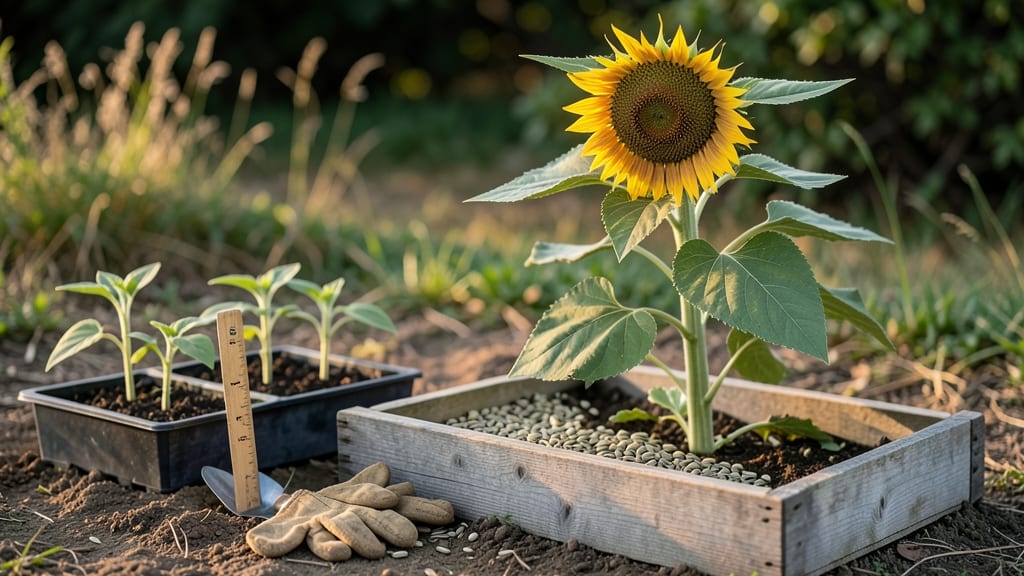
Planting sunflower seeds at the wrong depth can mean the difference between a towering 🌻 and a struggling sprout that never makes it. The ideal planting depth for sunflower seeds is 1 inch, but even small variations can affect germination and stalk strength.
Why does depth matter so much? Sunflower seeds need just enough soil coverage to stay moist while still having access to sunlight for energy. Plant them too shallow, and they’ll dry out; too deep, and they may rot before sprouting.
The good news? With the right technique, you can ensure your sunflowers grow strong from the start.
In this guide, I’ll break down the exact planting depth for different sunflower varieties, how soil type affects your approach, and common mistakes to avoid. Whether you’re growing giant varieties or compact dwarf types, these tips will help you get it right the first time.
Ready to grow sunflowers that reach their full potential? Let’s dive into the details so you can plant with confidence and watch those stalks soar toward the sky.
Optimal planting depth for sunflower seeds: exact measurements by seed type
Sunflower seeds are tiny powerhouses that transform into towering giants, but their journey begins with the right planting depth. Most gardeners swear by 1 inch deep for standard varieties, but did you know dwarf and giant sunflowers need slight adjustments?
The key is balancing moisture access with root development—too shallow, and seeds dry out; too deep, and they suffocate. Let’s break down the exact measurements by seed type to give your sunflowers the strongest start.
For standard sunflower seeds (like 'Mammoth' or 'Russian Giant'), the ideal planting depth is 1 to 1.5 inches. This depth ensures the seed stays hydrated while allowing the taproot to stretch downward without obstruction.
I’ve found that loose, well-draining soil lets these seeds germinate in just 7 to 14 days under optimal conditions. If your soil is dense or clay-heavy, you might need to loosen it slightly to prevent root stress.
Dwarf varieties, such as 'Teddy Bear' or 'Sunspot', thrive with a slightly shallower planting depth of ½ to 1 inch. Their smaller stature means they don’t need as much vertical space to establish roots, and planting them too deep can stunt their growth.
These compact sunflowers are perfect for containers or small gardens, but they still demand full sun exposure to reach their potential height of 2 to 4 feet.
| Sunflower Type | Optimal Planting Depth | Germination Time | Mature Height | Best Soil Type |
|---|---|---|---|---|
| Standard (e.g., 'Mammoth') | 1–1.5 inches | 7–14 days | 6–16 feet | Loamy, well-draining |
| Dwarf (e.g., 'Teddy Bear') | ½–1 inch | 5–10 days | 2–4 feet | Loamy or container mix |
| Giant (e.g., 'American Giant') | 1.5–2 inches | 10–21 days | 10–16 feet | Deep, fertile soil |
Giant sunflower varieties, like 'American Giant' or 'Russian Mammoth', require the deepest planting at 1.5 to 2 inches. These behemoths need extra depth to support their massive root systems, which can extend 3 to 4 feet deep in search of nutrients.
I’ve seen firsthand how over-planting depth can delay germination by up to 7 days, so precision matters. For these giants, amend your soil with compost or aged manure to provide the nutrients they’ll need to reach heights of 10 to 16 feet.
Your local climate conditions also play a role in determining the best planting depth. In warmer climates>, where soil dries out faster, I recommend planting seeds slightly deeper (1.5 inches) to retain moisture.
Conversely, in cooler or rainy regions, a shallower depth (1 inch) reduces the risk of rot. Always check your soil temperature—sunflower seeds need soil that’s at least 55°F to germinate successfully.
If you’re planting sunflowers in containers or raised beds, stick to the 1-inch rule for standard varieties, but ensure your pot has at least 12 inches of depth. Shallow containers can restrict root growth, leading to weaker stalks.
I’ve had great success with self-watering pots for dwarf varieties, as they allow for consistent moisture without over-saturating the roots. Just remember: well-draining soil is non-negotiable for sunflowers, regardless of container size.
One common mistake I see is planting seeds too deeply in an attempt to protect them from birds or pests. While it’s true that sunflower seeds are a favorite snack for squirrels and birds, covering them with row covers or netting is a better solution.
It preserves the seed’s ability to germinate while keeping critters at bay. For extra protection, I plant seeds in small furrows and cover them lightly with soil, then add a thin layer of mulch to deter pests without altering the depth.
To maximize germination rates, I always pre-soak sunflower seeds for 4 to 6 hours before planting. This step is especially helpful in dry or sandy soils, where seeds might otherwise struggle to absorb enough moisture.
After planting, water gently but thoroughly to settle the soil around the seeds. Avoid compacting the soil with your fingers—sunflowers need air pockets for healthy root development.
Once your sunflowers sprout, resist the urge to transplant them. Sunflower roots are extremely sensitive to disturbance, and moving seedlings can stunt their growth.
If you’ve planted them too closely, thin them out by snipping at the base with clean scissors, leaving the strongest stalks 6 to 12 inches apart (depending on the variety). This spacing ensures each plant gets enough sunlight and nutrients to thrive.
With the right planting depth and a little patience, your sunflowers will reward you with vibrant blooms and towering stalks that brighten up any garden.
Whether you’re growing dwarfs for containers or giants for a backyard focal point, these exact measurements will set your sunflowers up for success from day one. Happy planting! 🌻
How soil type and climate affect sunflower seed planting depth
Your local soil type and climate zone can change the ideal planting depth for sunflower seeds by up to half an inch.
For example, sandy soil drains so quickly that seeds need slightly deeper planting—1.5 inches—to hold moisture, while clay soil can trap too much moisture, so 1 inch is often enough. Even your USDA zone matters: cooler climates may require deeper planting to protect seeds from early frost.
If you’re growing sunflowers in containers, the rules shift again. The confined space means seeds need 1 inch of soil coverage but must also have excellent drainage to prevent rot.
Without proper airflow, even the right depth can lead to seed rot or damping-off disease. Always use a well-draining potting mix with perlite or vermiculite to mimic ideal open-ground conditions.
Climate also plays a critical role. In warm climates (Zones 8-10), sunflowers can be planted slightly shallower—0.75 to 1 inch—since the soil stays warmer and dries faster. But in cooler regions (Zones 3-6), aim for 1.25 to 1.5 inches to protect seeds from temperature fluctuations and early frost.
⚠️ Critical Depth Adjustments for Sunflowers
Planting sunflower seeds too deep in clay soil or containers risks rot, while planting too shallow in sandy soil causes drying out. Use these rules:
- Sandy soil: 1.5 inches (extra depth for moisture retention)
- Clay soil: 1 inch (prevents waterlogging)
- Containers: 1 inch + drainage holes (mandatory)
- Cold climates: 1.25–1.5 inches (protect from frost)
- Warm climates: 0.75–1 inch (soil dries faster)
For container gardening, choose shallow but wide pots (at least 12 inches deep) to accommodate sunflower roots while keeping planting depth consistent. Fill the bottom third with gravel or perlite to improve drainage, then add potting mix.
Press seeds 1 inch deep and water gently to avoid displacing them—sunflower seeds are delicate until sprouted.
In open-ground planting, loosen the soil to 6 inches deep before planting to encourage root growth. If your soil is compacted, mix in compost or aged manure to improve aeration. For heavy clay, add sand or coconut coir to prevent water pooling around seeds.
Always plant after the last frost date in your zone to avoid cold soil shocking tender sprouts.
Finally, monitor soil moisture after planting. In arid climates, keep soil consistently moist until germination (usually 7–14 days), while in humid regions, avoid overwatering to prevent fungal diseases. Adjust your watering schedule based on rainfall—sunflowers are drought-tolerant once established but need consistent moisture during germination.
By tailoring your planting depth to your local conditions, you’ll give your sunflowers the best start possible. Whether you’re battling sandy soil, clay soil, or container constraints, these adjustments ensure strong, healthy stalks ready to reach for the sky. 🌻