Flowers
Planting wildflowers in North Carolina at the wrong time can mean the difference between a vibrant meadow and a patch of disappointment. With USDA zones 6a-8b offering diverse microclimates, timing your seeds right is the secret to year-round color that thrives from coast to mountains.
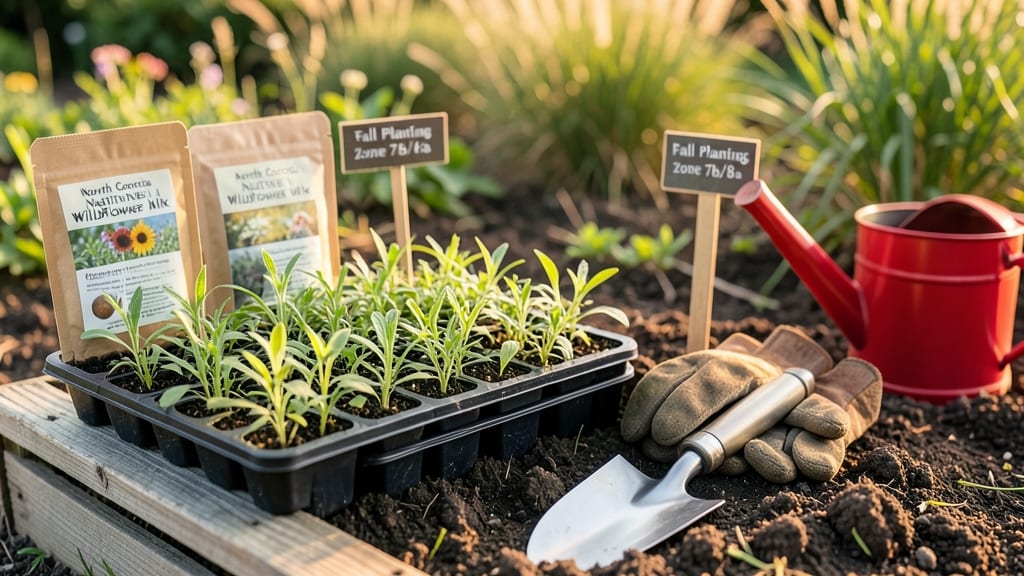
Most gardeners assume spring is the only window, but fall planting actually gives wildflowers a head start by letting them establish roots before winter.
Whether you're in the humid coastal plains or the cooler piedmont, knowing when to scatter those seeds—February-April or August-September—sets the stage for blooms that outlast summer heat.
I’ll walk you through the perfect planting months for your region, plus soil prep tricks and native species that handle NC’s droughts like pros. No more guessing whether to sow in March or wait for August—just proven timing for wildflowers that bloom reliably.
Ready to transform your yard into a pollinator paradise? Let’s dive into the exact schedule that works for your corner of North Carolina, whether you’re a beginner or a seasoned gardener.
Best planting months for wildflowers in NC by region
North Carolina’s three distinct climate zones—coastal plains, piedmont, and mountains—each offer unique windows for planting wildflowers. The key is aligning your planting with local frost dates and seasonal rainfall patterns to ensure optimal germination and long-lasting blooms.
Coastal areas have milder winters, while mountain regions experience earlier frosts, so timing matters more than you might think!
For coastal NC (Zones 8a-8b), the sweet spot is late winter to early spring (February–March) or late summer to early fall (August–September). These months avoid extreme heat and provide consistent moisture for seedling establishment.
In contrast, piedmont (Zones 7a-7b) thrives with March–April or August–September plantings, balancing soil warmth and rainfall.
| Region | Best Planting Window | Key Considerations | Native Species |
|---|---|---|---|
| Coastal Plains | Feb–Mar or Aug–Sep | Milder winters, high humidity, sandy soil | Coreopsis, Black-Eyed Susan, Beach Sunflower |
| Piedmont | Mar–Apr or Aug–Sep | Moderate climate, loamy soil, variable rainfall | Purple Coneflower, Butterfly Weed, Wild Bergamot |
| Mountains | Apr–May or Jul–Aug | Cooler temps, shorter growing season, acidic soil | Goldenrod, Aster, Mountain Laurel |
The mountain regions (Zones 6a-7a) demand patience—plant in April–May or July–August to avoid late spring frosts and summer droughts. Native species like goldenrod and aster thrive here, thanks to their cold tolerance and drought resistance.
Pro tip: In all regions, late summer plantings (August–September) give seeds time to establish roots before winter, while spring plantings capitalize on early rainfall.
If you’re in coastal NC, don’t wait until April—plant in February to take advantage of cooler temps and reduced competition from weeds. For piedmont gardens, aim for March to align with soil warming and increased rainfall.
Mountain gardeners should prioritize April to dodge late frosts that can devastate tender seedlings.
For fall plantings, focus on August–September across all regions. This timing ensures seeds germinate in warm soil but establish roots before winter dormancy. In coastal areas, this also avoids hurricane season (June–November), which can disrupt young plants.
In the mountains, July–August plantings work best to prevent summer drought stress.
One common mistake? Planting too late in spring (May–June) when summer heat arrives. Wildflower seeds need consistent moisture to germinate—once established, they’re drought-tolerant, but seedlings won’t survive if the soil dries out. Always test soil moisture before planting; aim for 1 inch of water per week until seeds sprout.
Native wildflowers like black-eyed Susan and purple coneflower are low-maintenance once planted, but their success hinges on timing. For coastal gardens, mix in beach sunflower for sandy soil tolerance.
In the piedmont, butterfly weed attracts pollinators and thrives in loamy soil. Mountain gardens shine with wild bergamot, which handles acidic, rocky soil beautifully.
Remember: Direct sowing is best for wildflowers—avoid transplanting seedlings, as it stresses roots. Scatter seeds thinly on prepared soil (no need to bury deeply; most need light to germinate) and lightly rake or press into the surface.
Mulch with straw or pine needles to retain moisture and suppress weeds. With the right timing, your wildflower meadow will bloom year-round!
Start your wildflower journey by marking your last frost date (check NC State Extension for local data) and planting 4–6 weeks before or 2–3 weeks after.
Whether you’re in coastal Myrtle Beach, piedmont Raleigh, or mountain Asheville, these guidelines will help you maximize blooms and minimize effort—nature’s way of rewarding patience!
How to choose wildflower seed mixes for NC’s seasonal blooms
Selecting the right wildflower seed mix for North Carolina means matching your local climate to the perfect blend of native species. Since NC spans USDA zones 6a-8b, your seed choice should align with your region’s frost dates and rainfall patterns.
For example, piedmont areas need drought-resistant varieties, while mountain gardens benefit from shade-tolerant options that thrive in cooler microclimates.
Start by checking your last frost date—most wildflower mixes recommend planting 4-6 weeks before the first frost for fall blooms or 2-4 weeks after the last frost in spring.
Coastal NC gardeners can plant slightly earlier, while mountain regions should wait until mid-spring to avoid late frosts damaging tender seedlings.
Here’s my step-by-step guide to picking the ideal seed mix for your NC garden:
For coastal NC gardens, prioritize mixes with salt-tolerant species like Sea Oats or Beach Sunflower, which handle wind and salty air. In contrast, mountain regions should focus on cool-season wildflowers such as Trillium or Bloodroot, which bloom early before summer heat arrives.
Pro tip: If you’re unsure about your region’s specifics, visit your local Cooperative Extension office—they offer free soil tests and regional planting guides tailored to NC’s microclimates.
With the right seed mix and timing, your wildflower garden will burst into color from spring through fall, attracting bees, butterflies, and hummingbirds all season long.
Remember, the key to success lies in matching your seed mix to your climate, not just your aesthetic preferences. Native wildflowers are the easiest to grow because they’re already adapted to NC’s soil, rain, and temperature swings—so let them do the heavy lifting for you!