
Planting
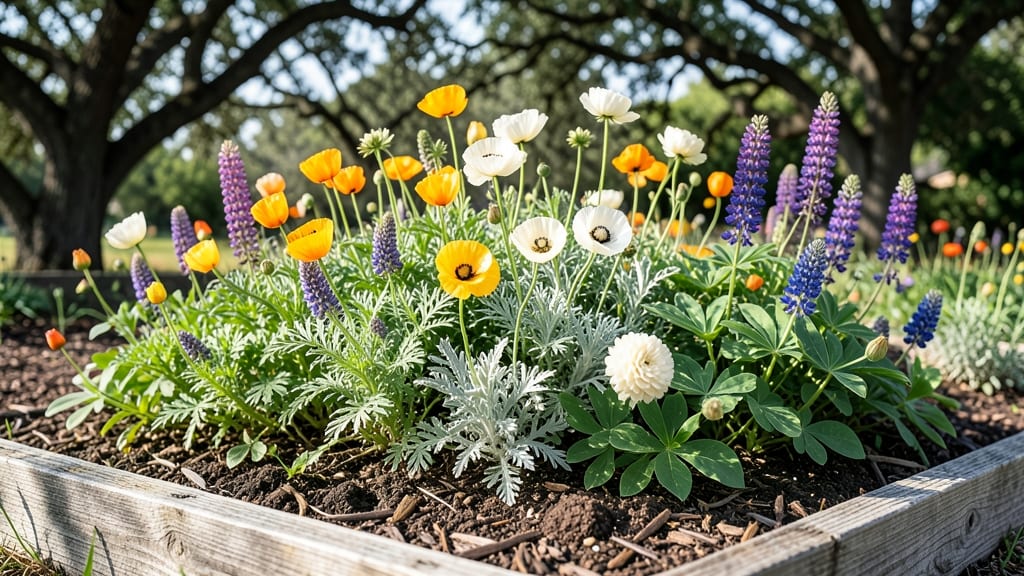
Planting wildflower seeds in Zone 9 at the wrong time can mean waiting years for those vibrant blooms—or never seeing them at all. The secret to a lush, low-maintenance meadow starts with knowing exactly when to sow them, and fall is your golden window.
Unlike cooler climates, Zone 9’s frost-free winters mean you can skip the spring rush and plant wildflowers 🌼 when soil stays warm and rainfall is just right.
But timing matters: too early, and summer heat will dry out your seeds before they sprout; too late, and winter rains may wash them away.
I’ve tested the best months for Zone 9—from Southern California to Florida—and the results are clear. With the right soil prep and a few simple tricks, you can have wildflowers blooming within 60 days of planting. Let me show you how to do it without the guesswork.
Whether you’re restoring a pollinator garden or just want a burst of color, this guide cuts through the confusion. We’ll cover soil prep, seed choices, and how to avoid the most common mistakes that kill wildflower dreams before they begin.
Optimal fall planting windows for Zone 9 wildflower seeds
Zone 9’s mild winters create a unique opportunity for fall wildflower planting, but timing is everything. Unlike cooler zones, you can skip the spring rush and plant when soil stays warm and rainfall is ideal.
The perfect window spans September through November, but not all months are equal—coastal areas differ from inland deserts.
Your goal is to sow seeds when soil temperatures hover between 60°F and 75°F, ensuring germination without summer drought stress. Too early (late August) risks heat shock, while planting after November 15th may expose seeds to heavy winter rains that wash them away.
Here’s the breakdown of ideal planting months based on Zone 9’s regional microclimates, including soil temp thresholds and rainfall patterns:
| Month | Soil Temp (°F) | Rainfall (in) | Best For | Avoid If |
|---|---|---|---|---|
| September | 70-85°F | 0.5-1.5" | Coastal areas, early bloomers | Inland heatwaves (>90°F) |
| October | 65-75°F | 1.0-2.0" | Most wildflowers, best germination | Late rains (>2.5" in 3 days) |
| November | 60-70°F | 1.5-3.0" | Late-season bloomers, desert regions | Flooding risk (low-lying areas) |
| December (early) | 55-65°F | 2.0-4.0" | Coastal winter blooms | Inland drought (Arizona, Texas) |
For coastal Zone 9 (e.g., Southern California, Florida), October is the sweet spot—cool evenings, moderate rainfall, and minimal heat stress. Inland areas (e.g., Arizona, Texas) should aim for September-October to avoid late-summer droughts.
Pro tip: Check your local National Weather Service for 7-day rainfall forecasts. Plant when 1-2 weeks of dry weather are predicted—this prevents seeds from washing away or rotting.
Avoid planting during monsoon season (July-August in Arizona) or when soil temps exceed 85°F, as seeds may dry out before germinating. Use a soil thermometer ($10 at garden centers) to confirm ideal conditions.
If you’re in a desert microclimate (e.g., Phoenix, Tucson), prioritize shade-cloth prepping to cool soil. For humid coastal zones (e.g., Miami, San Diego), focus on well-draining soil to prevent fungal issues.
Remember: Fall-planted wildflowers often bloom faster than spring-sown seeds because they establish roots in cooler temps. With the right timing, you could see first blooms by March—just in time for spring pollinators!
🌼
How to prepare your soil and site for fall wildflower success
Now that you’ve picked your perfect fall planting window, the next step is preparing your soil and site for wildflower success. Unlike annuals, wildflowers thrive in well-draining, nutrient-rich soil that mimics their natural habitats.
In Zone 9, this means focusing on loosening compacted ground, adjusting pH if needed, and creating ideal seedbed conditions.
Start by testing your soil pH—most wildflowers prefer a neutral to slightly alkaline range (6.0-7.5). You can grab a soil test kit ($15 at garden centers) or send a sample to your local Cooperative Extension Service for a detailed analysis.
If your soil is too acidic, add pelletized lime; for alkaline soil, mix in sulfur or peat moss.
Next, tackle soil compaction, which is common in Zone 9’s heavy clay soils. Use a broadfork or garden fork to loosen the top 6-8 inches without disturbing deeper layers. For larger areas, rent a rototiller (set to shallow depth) to break up compacted soil while preserving soil structure.
-
Clear the Area
Remove weeds, rocks, and debris. Mow existing grass to 1-2 inches if planting in a lawn. -
Loosen Soil
Use a broadfork or rototiller to aerate 4-6 inches deep. Avoid deep tilling—wildflowers prefer undisturbed subsoil. -
Amend with Organic Matter
Mix in 2-3 inches of compost or well-aged manure (chicken or cow). Avoid fresh manure—it can burn seeds. -
Level the Seedbed
Rake the area smooth to create a fine, crumbly texture. Aim for a surface that’s slightly uneven to catch seeds. -
Choose Sun/Shade Wisely
Most wildflowers need full sun (6+ hours/day), but desert varieties (like blanket flower) tolerate partial shade. -
Mimic Natural Disturbance
Lightly rake the soil after sowing to create micro-grooves for seeds, just like nature’s wind or animal activity.
For sun exposure, observe your site’s microclimate. South-facing areas get the most sun, while north-facing spots stay cooler—ideal for desert-adapted wildflowers like goldenrod or yarrow. If your soil drains poorly, consider raised beds or mounding soil to improve drainage.
Finally, water your prepared seedbed lightly the day before planting to settle the soil. Avoid heavy watering—you want seeds to land on moist but not soggy ground. With these steps, your wildflowers will have the perfect foundation to establish roots before winter rains arrive.
🌱