Flowers
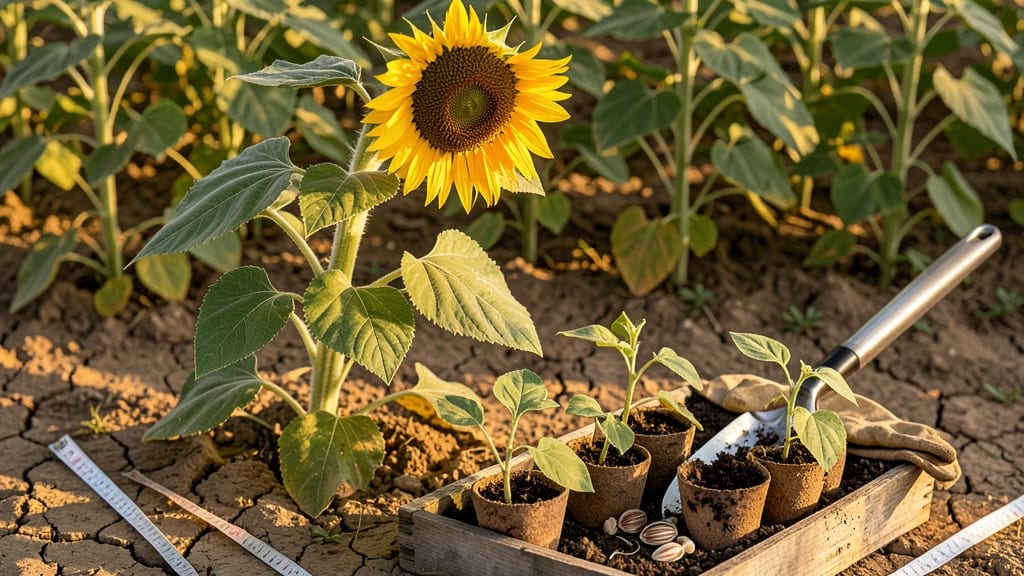
Planting sunflowers in Virginia at the wrong time means watching your bright 🌻 blooms fade before they even reach their full glory.
The key to a thriving garden lies in understanding your USDA zone—whether you're in the cooler 6a regions or the warmer 8a areas—and knowing exactly when to get those seeds in the ground.
Most Virginia gardeners should aim to plant sunflowers between mid-April and early June, but timing varies by location. Coastal areas might need to wait until late April, while inland zones can start as early as mid-April once the last frost has passed.
Getting this right ensures your sunflowers have enough time to grow tall and strong before summer's heat sets in.
I've learned the hard way that rushing or delaying planting can lead to stunted growth or missed blooms. The good news? With the right preparation—like warming the soil and choosing the best varieties—you can extend your sunflower's growing season and enjoy those cheerful faces from late summer through early fall.
Ready to grow sunflowers that tower over your garden? Let's break down the perfect planting schedule for your Virginia zone, plus pro tips to keep your 🌻 happy and healthy all season long.
Virginia sunflower planting dates by USDA Zone (5b-8a)
Virginia’s diverse climate zones—from USDA Zone 5b in the mountains to Zone 8a along the coast—create unique planting windows for sunflowers. Getting the timing right ensures your seeds germinate in warm soil and mature before the first frost.
In Zone 5b, where winters are colder, you’ll need to plant earlier than in Zone 8a, where mild winters allow for extended growing seasons.
Sunflowers thrive when planted after the last frost date, which typically ranges from mid-April in northern Virginia to early March in the southernmost zones. Soil temperature is just as critical—seeds need at least 55°F (13°C) to germinate properly.
Waiting for these conditions ensures strong, healthy plants that reach their full 4-16 foot potential.
Below is a zone-by-zone breakdown of ideal planting windows, including early, mid, and late-season options to extend your blooming season. Whether you’re in the Blue Ridge Mountains or the Tidewater region, these guidelines will help you avoid frost damage and maximize your sunflower harvest.
🌱