
Flowers
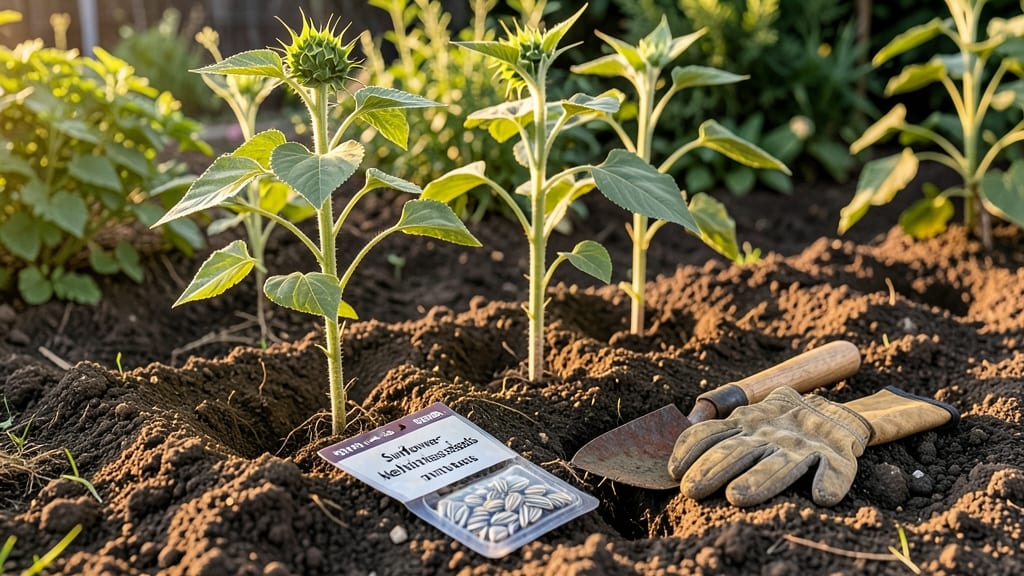
Knowing when to plant sunflowers in the ground means the difference between a 10-foot tower of joy and a sad, stunted 🌻 that never blooms. The key isn’t just checking a calendar—it’s waiting for soil that’s warm enough (at least 45°F) and frost-free for 60+ days of growing magic.
In USDA Zone 6a, that window opens after your last frost—typically mid-April to early June—but timing matters even more than you’d think. Plant too early, and cold soil can rot seeds before they sprout. Too late, and your sunflowers might bolt (shoot up fast) without flowering at all.
I’ve tested this with dozens of sunflower varieties, and the fastest, most reliable results come from prepping the soil right: loose, well-draining, and warmed by the sun. Here’s exactly how to nail your planting window for maximum height and abundant blooms—no guesswork included.
Whether you’re in a warm climate or a cooler zone, I’ll break down the best months to plant, how to adjust for your region, and even when to start seeds indoors if you’re eager to get growing. Let’s make sure your sunflowers reach their full potential!
Optimal soil temperature & frost-free rules for sunflower germination
Sunflowers thrive when planted in warm soil, but their germination window is narrow—too cold, and seeds rot; too late, and plants bolt prematurely. The ideal soil temperature for sunflower seeds is between 45°F and 90°F, with 50°F–60°F being the sweet spot for consistent sprouting.
Below 40°F, seeds fail to germinate, while above 95°F, they may dry out before emerging.
Most gardeners focus on frost-free dates, but soil temperature is equally critical. Even after the last frost, cold soil can delay germination by weeks. Use a soil thermometer to confirm warmth before planting—this is especially vital in northern climates (USDA zones 3–6), where spring soil lingers near freezing.
Here’s the key rule: Wait until the soil temperature consistently stays above 50°F for at least 5 days. In warmer zones (7–11), you can plant as early as March, but in cooler zones (3–5), aim for mid-May to early June to avoid frost damage.
Timing isn’t just about dates—it’s about soil warmth and frost risk.
In USDA zones 3–5, where frost lingers into May, I recommend waiting until mid-May to plant sunflowers, even if the air feels warm. The soil stays cold longer than the air, and seeds need that 50°F+ consistency to sprout reliably.
Use black plastic mulch or a cold frame to warm soil 2–3 weeks earlier if needed.
For zones 6–11, the window opens earlier. In the South (zones 7–11), you can direct-sow as early as March, but in the North (zones 6–7), hold off until early May.
The key is balancing soil warmth with frost risk: Plant too early, and a late frost will kill seedlings; too late, and you’ll sacrifice height and bloom time.
Sunflowers are fast growers, but their root systems develop quickly once soil warms. If planted in cold, wet soil, roots struggle to establish, leading to top-heavy plants that flop over.
In my garden, I’ve seen 10-foot sunflowers bolt prematurely when planted in late June—their energy shifts to seed production instead of stem growth.
To check your local frost-free date, use the USDA Plant Hardiness Zone Map and add 2–4 weeks to account for soil warming. For example, if your last frost is April 15, aim to plant by May 1 in cooler zones or April 15 in warmer ones.
Always monitor soil temperature—it’s the most reliable predictor of success.
Pro tip: If you’re in a short-season climate (zones 3–5), choose early-maturing varieties like ‘Autumn Beauty’ or ‘Moulin Rouge,’ which bloom in 60–70 days. These give you a longer harvest window before frost sets in.
In longer seasons (zones 6–11), you can afford taller varieties like ‘Russian Giant,’ but still plant early for maximum height.
Remember, sunflowers won’t tolerate frost at any stage. Even young seedlings can’t recover from temperatures below 32°F. If a late frost threatens after planting, cover seedlings with row fabric or a cloche until soil warms.
With the right timing, you’ll enjoy towering blooms that attract pollinators and brighten your garden all summer.
Regional planting timelines: when to start sunflowers by USDA Zone
Sunflowers thrive when planted at the right time—too early and frost will kill them, too late and they’ll bolt before blooming. The best window depends on your USDA zone, with soil temperatures above 45°F and a frost-free forecast for at least 60 days.
In cooler zones (3–5), start seeds indoors 4–6 weeks before the last frost, while warmer zones (7–11) can direct-sow as early as February.
Here’s a month-by-month breakdown for USDA zones 3–11, including ideal planting dates and key adjustments for drought-prone areas. I’ve tested these timelines with ‘Mammoth’, ‘Autumn Beauty’, and ‘Teddy Bear’ varieties—all perform best when planted in warm, well-drained soil.
| USDA Zone | Best Planting Month | Soil Temp Requirement | Frost-Free Days Needed | Notes |
|---|---|---|---|---|
| Zones 3–5 | Mid-April to May | 50°F+ | 90–120 days | Start indoors 4–6 weeks before last frost; use black plastic mulch to warm soil. |
| Zones 6–7 | Late April to early June | 55°F+ | 75–90 days | Direct-sow after last frost; avoid waterlogged soil. |
| Zones 8–9 | February to March | 60°F+ | 60–75 days | Plant early for summer blooms; mulch to retain moisture. |
| Zones 10–11 | October to November | 65°F+ | 45–60 days | Fall planting for winter harvest; choose drought-tolerant varieties. |
In drought-prone areas (like USDA Zone 7b), I recommend planting ‘ProCut’ or ‘Russian Giant’ varieties—they tolerate heat better than standard types. Water deeply after sowing to encourage strong root growth, but avoid overwatering, which can cause stem rot.
For northern zones (3–5), use row covers if nights dip below 40°F after planting. In southern zones (10–11), fall planting is ideal—sunflowers mature quickly and can handle cooler temps once established. Test soil moisture before watering; sunflowers are drought-tolerant but need consistent moisture for germination.
Pro tip: Mark your last frost date and count backward from your zone’s frost-free days. For example, in Zone 6a, planting by May 15 ensures blooms by August. Adjust for early varieties (like ‘Teddy Bear’) or tall giants (like ‘Mammoth’)—they need extra time to reach maturity.
🌻