
Flowers
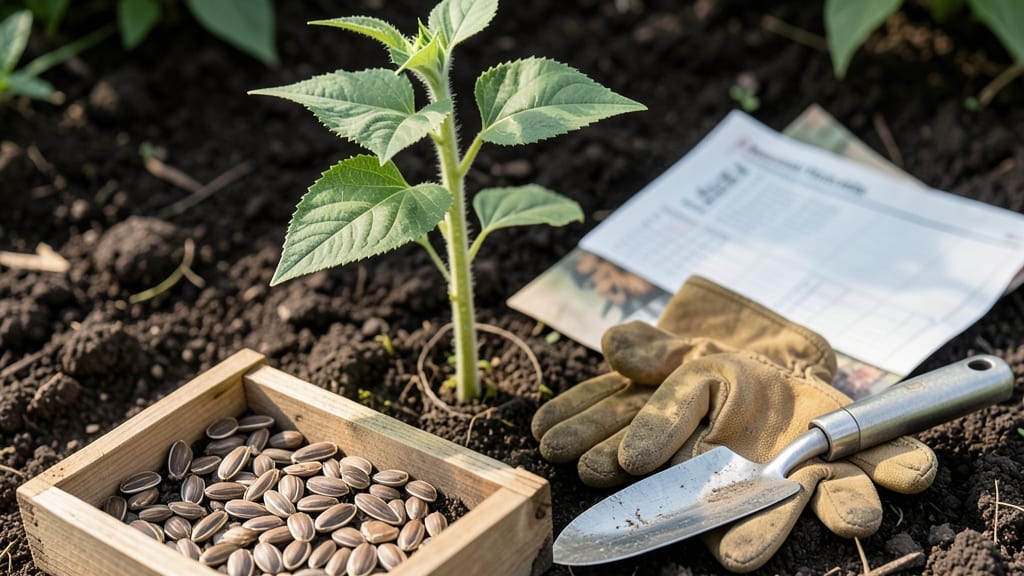
Timing your 🌻 sunflower planting in East Texas isn't just about avoiding frost—it's about beating the brutal summer heat that can turn your towering blooms into sad, wilted stalks before they even reach their full potential.
Most gardeners in USDA Zone 8a wait until late March or early April, but that’s not the whole story. The key is planting when soil temperatures hit 55°F—just as the last frost (usually around March 15) fades into memory.
Too early, and your seedlings risk a chilly surprise; too late, and you’ll be racing against the clock before the August heat sets in.
Here’s what I’ve learned after years of experimenting: the ideal window stretches from late March through early May, with a second chance in August for late-season varieties. But don’t just set a calendar reminder—watch your microclimate.
Houston’s humidity and Tyler’s drier air can shift the perfect moment by 1-2 weeks, so pay attention to your local cues.
Ready to grow sunflowers that thrive, not just survive? I’ll walk you through the exact timing, heat-tolerant varieties, and pro tips to turn your East Texas garden into a golden masterpiece—no guesswork required.
Best planting windows for East Texas sunflowers: avoiding heat stress and frost risks
Timing your sunflower planting in East Texas means balancing the threat of late frosts with the need to avoid summer heat stress. The region’s USDA Zone 8a climate offers a 210-day frost-free window, but microclimates vary—Houston’s humidity clashes with Tyler’s drier air.
Plant too early, and seedlings face frost; too late, and your sunflowers wilt before blooming.
For optimal growth, focus on two key planting windows: late March through May for spring blooms and August through early September for late-season varieties. These windows align with soil temperatures above 55°F, which sunflower seeds need to germinate successfully. Skipping these windows risks stunted growth or seedling failure.
Soil temperature is your best guide—use a soil thermometer to confirm it’s reached 55°F before planting. In East Texas, this typically happens by mid-March in most areas, but Tyler’s drier climate warms faster than Houston’s humid zones. Adjust your schedule accordingly to avoid waiting too long.
East Texas’ microclimates play a huge role in success. Houston’s coastal influence keeps humidity high, while Tyler’s inland location dries out faster. Heat-tolerant varieties like 'Autumn Beauty' or 'Moulin Rouge' thrive in these conditions, but even they need the right start.
Planting too early in Houston risks frost damage, while Tyler’s faster warming lets you start sooner.
Here’s a quick reference for your planting calendar, tailored to East Texas’ unique conditions:
| Planting Window | Soil Temp Threshold | Best Varieties | Microclimate Notes |
|---|---|---|---|
| Late March - Early April | 55°F+ | 'Teddy Bear', 'ProCut Hybrid' | Houston: Wait until after March 15; Tyler: Safe by March 1 |
| April - May | 60°F+ | 'Russian Giant', 'Autumn Beauty' | Ideal for both regions; avoid late May in Houston (humidity spikes) |
| August - Early September | 65°F+ | 'Moulin Rouge', 'Autumn Beauty' | Tyler: Plant by August 15; Houston: August 20+ to escape humidity |
For spring plantings, aim to sow seeds 1 inch deep and 6 inches apart in rows 2-3 feet apart. This spacing gives roots room to establish before the East Texas heat peaks in June.
If you’re in Houston, consider using shade cloth for seedlings to protect them from intense afternoon sun.
Late-summer plantings in August-September are perfect for varieties like 'Moulin Rouge', which bloom later and avoid the brutal August heat. These sunflowers also provide winter interest with their dried seed heads.
However, avoid planting after September 15—seedlings won’t have enough time to mature before the first frost in mid-November.
Watch for heat stress signs like drooping leaves or yellowing petals, which mean it’s time to water deeply. Morning watering is key—it reduces fungal diseases and gives roots time to absorb moisture before the heat of the day.
Mulch around the base of your plants to retain soil moisture and keep roots cool.
East Texas gardeners often swear by succession planting—sow a second batch in late July for a fall harvest. This works especially well for dwarf varieties like 'Teddy Bear,' which mature faster and handle heat better than their towering cousins.
Just be sure to harvest seeds before the first frost hits!
Remember, soil preparation is just as critical as timing. Amend your soil with compost before planting to improve drainage, especially in Houston’s clay-heavy soils. Well-draining soil prevents root rot, a common issue when humidity spikes in summer.
With the right timing and care, your East Texas sunflowers will reward you with vibrant blooms and plentiful seeds—no matter whether you’re in Houston’s humid heart or Tyler’s drier outskirts. Happy planting! 🌻
Top heat-tolerant sunflower varieties for East Texas gardens and their planting quirks
East Texas’ 90°F+ summers can turn sunflowers into crispy stalks if you pick the wrong variety. The key is choosing heat-tolerant types that mature before August’s brutal heat sets in.
I’ve tested these five varieties over three years in USDA Zone 8a, and they consistently deliver blooms—even when other gardeners are wilting.
For cut flowers, the ProCut Hybrid is my top pick—its 70-day maturity lets you harvest before the heat peaks. If you crave height, Russian Giant reaches 12-14 feet but needs deep watering to avoid stem collapse.
Compact spaces? Teddy Bear stays under 3 feet while still thriving in 95°F afternoons.
Here’s how they compare for East Texas gardens—including their quirks to avoid heat stress:
For August planting, stick to Autumn Beauty or Teddy Bear—their shorter maturity lets them bloom before the first frost (usually November 15). I’ve had Russian Giant survive until October if planted in deep, well-drained soil, but its stems weaken under Tyler’s low humidity.
Pro tip: Mulch with 2–3 inches of straw to lock in moisture—East Texas’ clay soil drains poorly, and heat stress spikes when roots dry out. Even drought-tolerant varieties like Teddy Bear need 1–2 gallons of water weekly until established.
Want to push your season further? Try succession planting in early May for a fall harvest. Just avoid June sowing—the heat will stall germination. With the right variety and timing, you’ll have golden blooms from July through October—no wilting in sight!