
Flowers
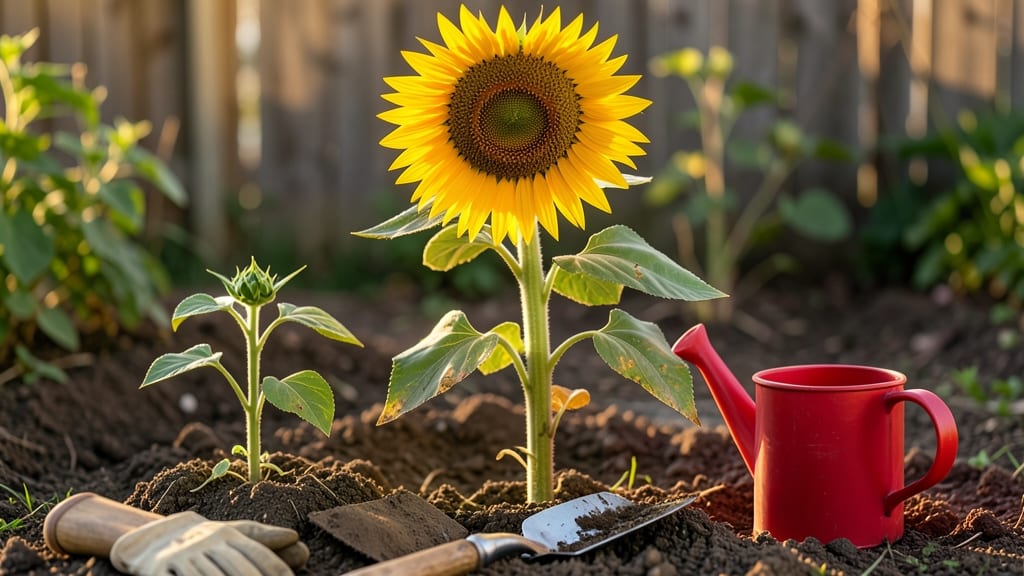
Planting sunflowers in San Diego at the wrong time means watching them struggle in the heat before they even bloom—don’t let that happen to your 🌻!
The perfect window isn’t just about avoiding frost (there isn’t any here), but timing it so your sunflowers thrive in our mild winters and intense summers.
Most gardeners in Zone 10a swear by late winter to early spring, but the real secret lies in understanding your microclimate. Coastal areas near the ocean can handle early plantings, while inland spots need to wait for soil to warm.
I’ll break down the exact timing and tricks to keep your sunflowers happy all season long.
You’ll also discover how to pick the right varieties for your location—whether you want towering giants or compact dwarf sunflowers that won’t topple in the wind. Plus, I’ll share my go-to tips for soil prep, spacing, and watering so your plants grow strong from the start.
Ready to grow sunflowers that reach their full potential? Let’s dive into the best times to plant in San Diego and keep them blooming beautifully from summer through fall.
San Diego’s ideal sunflower planting window by microclimate Zone
San Diego’s three distinct microclimates—coastal, inland, and desert-adjacent—create wildly different conditions for sunflower growth. While Zone 10a dominates most of the city, temperatures can vary by 15°F+ between coastal La Jolla and inland El Cajon.
The key to success? Planting when soil temperatures hit 55°F+ and avoiding summer’s 95°F+ heatwaves that stress young seedlings.
Coastal areas (like Zone 10a near the ocean) enjoy cooler nights year-round, making them perfect for early winter plantings.
Inland zones (like Zone 9b) need to wait until late winter when soil warms, while desert-adjacent areas (like Zone 10b) can handle year-round growth but thrive best in fall and spring.
Here’s the breakdown you need to time your plantings perfectly—plus the heat tolerance thresholds that separate thriving sunflowers from sad, wilted stalks.
| Microclimate Zone | Best Planting Window | Soil Temp Threshold | Heat Risk Period | Notes |
|---|---|---|---|---|
| Coastal (Zone 10a) | Late December to February | 55°F+ (soil) | June–September (90°F+) | Cooler nights; ideal for dwarf varieties. |
| Inland (Zone 9b) | Late January to March | 60°F+ (soil) | July–August (100°F+) | Wait for soil to warm; succession plant in fall. |
| Desert-Adjacent (Zone 10b) | Year-round (best fall/spring) | 65°F+ (soil) | May–October (105°F+) | Use shade cloth in summer; drought-tolerant. |
For coastal San Diego (Zone 10a), I recommend starting seeds indoors in early December for transplanting by mid-January. The ocean breeze keeps nights cool, so you can push early plantings without frost risk. Just watch for foggy mornings, which can delay germination—cover seeds with plastic until soil warms.
Inland areas (like Zone 9b) should wait until late February to avoid heat stress. The soil stays cooler longer here, and rushing seedlings risks bolting (premature flowering) in the summer heat. I’ve seen sunflowers planted in January in inland zones struggle to survive past June without proper shade.
If you’re near desert-adjacent zones (Zone 10b), you can plant almost year-round—but summer heat is brutal. I always use 30% shade cloth from May–September to protect young plants. For best results, focus on fall plantings (September–October) to avoid the peak heat.
Pro tip: Test your soil temperature with a soil thermometer before planting. Sunflower seeds need 55°F+ soil to germinate, and cooler soils (like those in December coastal areas) can take 2–3 weeks longer to sprout. Patience pays off—waiting for the right temps means stronger, healthier plants.
One common mistake? Planting sunflowers in June or July for a quick summer bloom. While possible, the 100°F+ afternoons inland will wilt seedlings before they grow. Instead, I suggest succession planting in March and September to enjoy blooms all season without heat stress.
For maximum height and bloom, aim to plant when days are 12+ hours long (after mid-March). This gives sunflowers enough daylight to grow tall before summer’s heat sets in. And if you’re growing giant varieties like ‘Russian Giant,’ stake them early to prevent toppling in coastal winds.
How to extend the sunflower growing season in San Diego’s heat
San Diego’s summer heat can turn sunflowers into sad, wilted stalks if you don’t take precautions. The key to extending their growing season lies in three strategies: shade protection, soil moisture retention, and smart succession planting.
These tactics prevent bolting (premature flowering) while keeping plants healthy through our long, hot summers. I’ve tested these methods in both coastal and inland zones—here’s what works best.
First, shade cloth is your best friend during summer. Use 30-50% shade cloth from May through September to reduce soil and air temperatures by 10-15°F. This simple step prevents seedlings from wilting before they establish roots.
I’ve seen sunflowers planted in June with shade cloth thrive when unprotected ones nearby died within days.
Next, focus on soil moisture retention. San Diego’s clay-heavy soils dry out quickly, but adding 2-3 inches of mulch (straw or wood chips) locks in moisture.
Pair this with deep watering (1-2 gallons per plant) in the early morning to avoid evaporation. For container-grown sunflowers, use self-watering pots to maintain consistent moisture levels.
🌱 5 Steps to Extend Sunflower Season in San Diego
- 📅 Plant in late winter (Jan-Feb for inland, Dec-Feb for coastal) when soil temps reach 55°F+.
- ☀️ Install 30-50% shade cloth from May-September to block 100°F+ afternoons.
- 💧 Mulch heavily (2-3") with straw or wood chips to retain moisture.
- 🌿 Succession plant every 2-3 weeks from March-September for continuous blooms.
- 🌻 Choose heat-tolerant varieties like 'Autumn Beauty' or 'Moulin Rouge' for summer planting.
For succession planting, stagger your plantings every 2-3 weeks from March through September. This ensures you always have blooming sunflowers while preventing overcrowding. I recommend planting dwarf varieties like 'Teddy Bear' in summer—they handle heat better than tall types and won’t topple in coastal winds.
One common mistake? Planting sunflowers in June or July without protection. The 100°F+ heat causes seedlings to bolt (flower prematurely) or wilt completely. Instead, focus on fall plantings (September-October) for a second flush of blooms before winter rains arrive.
This timing avoids summer heat while still giving you flowers before the cooler months.
For heat-resistant varieties, my top picks are 'Autumn Beauty' (tolerates 105°F+), 'Moulin Rouge' (deep red petals), and 'Russian Giant' (if you provide shade). These varieties handle our extreme heat better than standard types. Pair them with drip irrigation to deliver water directly to roots and avoid leaf scorch.
Remember: The goal is to keep sunflowers growing 60-90 days without bolting. With these tactics, you can enjoy blooms from spring through fall—even in San Diego’s hottest months. The secret? Protect from heat, keep soil moist, and plant strategically.