
Flowers
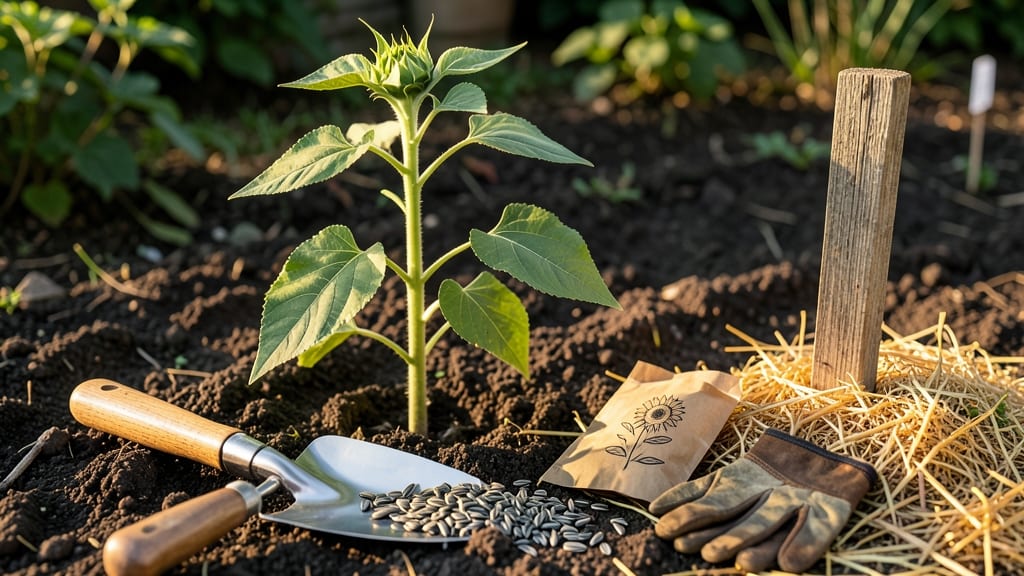
Planting sunflowers in Maine at the wrong time can mean watching your 🌻 bright blooms fade before they ever open—because frost lingers longer here than in many other regions.
The key to success isn’t just waiting for warm weather; it’s understanding your USDA Zone 5-6 timeline, soil readiness, and even regional microclimates that can shift frost dates by weeks.
Most Maine gardeners make one of two mistakes: planting too early when the soil is still cold, or waiting too long and missing the ideal 60-day growing window before fall frost hits.
I’ve learned the hard way that sunflowers need soil temperatures of at least 50°F and consistent warmth to thrive—something that’s tricky to predict without local data.
In this guide, I’ll walk you through the exact frost-free timeline for your area, whether you’re in coastal Portland or inland Bangor, and share my tested strategies for extending your growing season.
You’ll discover when to sow seeds directly (late May to early June), how to spot false starts, and which sunflower varieties hold up best against Maine’s unpredictable weather.
By the end, you’ll know not just when to plant, but how to give your sunflowers the best shot at reaching their towering, 10-foot-plus potential—even in our short summers. Let’s get those seeds in the ground the right way.
Maine’s frost-free timeline for sunflower planting by USDA Zone
Maine’s USDA Zones 5-6 present unique challenges for sunflower growers, with frost lingering until mid-May in most areas. But don’t let chilly springs deter you—sunflowers thrive in Maine’s long summer days when planted at the right time.
The key is understanding your last frost date and soil temperature requirements to avoid frost damage while maximizing your growing season.
For Zone 5 (northern Maine), the average last frost date falls around May 20-25, while Zone 6 (southern Maine) typically sees frost-free conditions by May 10-15.
Coastal areas may warm up 1-2 weeks earlier due to moderating ocean breezes. Always check your local Almanac frost dates for precise timing, as microclimates can vary significantly.
| USDA Zone | Last Frost Date | Soil Temp (°F) | Planting Window | Notes |
|---|---|---|---|---|
| Zone 5 | May 20-25 | 50°F+ | June 1-15 | Wait for consistent warmth; use row covers if late frost risk |
| Zone 6 | May 10-15 | 50°F+ | May 20-June 5 | Earlier planting possible; monitor soil temps closely |
| Coastal Areas | May 5-10 | 50°F+ | May 15-30 | Warmer microclimates allow earlier sowing |
Sunflowers require soil temperatures above 50°F to germinate properly. Use a soil thermometer to verify—cold soil can delay germination by weeks. In Maine’s Zone 5, wait until June 1 for direct sowing to ensure success.
For Zone 6, you can start as early as May 20, but always have row covers ready for unexpected late frosts.
Choose your sunflower varieties carefully based on your planting timeline. Early-season varieties like 'Teddy Bear' (dwarf) mature in 50-60 days, perfect for June plantings. Mid-season types such as 'Mammoth' take 90-120 days, ideal for late May starts in Zone 6.
For late summer blooms, try 'Autumn Beauty'—its rust-colored petals add fall color and tolerate cooler temps better.
Direct sowing is the best method for Maine gardeners. Plant seeds 1 inch deep and 12 inches apart in rows spaced 2-3 feet apart for full-size varieties. For transplanting, start seeds indoors 4-6 weeks before your last frost date using biodegradable pots to minimize transplant shock.
Harden off seedlings for 7-10 days before moving them outdoors.
If you miss the spring window, don’t despair—sunflowers can handle late summer plantings too! Sow seeds in early August for fall-blooming varieties. These plants will mature more slowly but still produce stunning flowers before frost. Just be prepared for shorter stems and potentially smaller blooms in cooler fall conditions.
Protect young sunflowers from late spring frosts using frost cloths or black plastic mulch. These barriers raise soil temperatures by 5-10°F and create a microclimate that encourages faster growth.
Remove covers once plants reach 6 inches tall to prevent overheating. For coastal gardeners, ocean winds can dry out soil quickly—consider adding mulch to retain moisture.
Remember that sunflowers are drought-tolerant once established, but young plants need consistent moisture to prevent bolting. Water deeply 1-2 times per week during dry spells, focusing on the root zone.
In Maine’s humid summers, watch for powdery mildew—space plants properly and avoid overhead watering to reduce fungal risks.
Track your sunflower progress with a planting journal to refine timing each year. Note when flowers first appear, how tall plants grow by mid-summer, and when they reach maturity. This helps you adjust future plantings for earlier blooms or longer vase life.
With Maine’s 165 frost-free days, you’ve got plenty of time to enjoy these cheerful giants from July through October!
How to extend your sunflower growing season in cold climates
Maine’s short growing season can feel like a race against time for sunflower lovers, but with the right strategies, you can push your sunflower blooms well into fall. The secret lies in protecting young plants from late frosts while maximizing your 165 frost-free days.
I’ve found that combining cold-hardy varieties, season-extending tools, and smart planting techniques can add 4-6 weeks to your sunflower season—even in Zone 5.
Start by selecting frost-tolerant sunflower varieties that can handle Maine’s unpredictable spring weather. Some varieties like 'Autumn Beauty' and 'Russian Giant' have thicker stems and darker foliage that recover better from frost exposure.
Pair these with row covers or low tunnels to create a 5-10°F warmer microclimate around your plants. These simple tools can mean the difference between wilted seedlings and healthy, towering sunflowers.
- 1. Plant early varieties like 'Teddy Bear' (50-60 days) in late May under row covers to catch early blooms.
- 2. Use black plastic mulch to warm soil 5-10°F faster and protect roots from late frosts.
- 3. Try succession planting every 2 weeks from June to July for continuous blooms.
- 4. Plant companion plants like marigolds or borage to repel pests and improve soil health.
- 5. Choose late-season varieties like 'Autumn Beauty' for fall color and better frost tolerance.
For those late May plantings in Zone 6, I recommend using floating row covers until plants reach 6 inches tall. These lightweight fabrics allow sunlight and water to pass through while blocking frost and wind damage.
Remove covers during the day to prevent overheating, then reapply at night for extra protection. In my garden, this technique has extended my sunflower season by 3 weeks compared to uncovered plantings.
Another game-changer is succession planting. Instead of planting all your sunflower seeds at once, sow a small batch every 2 weeks from June through July. This staggered approach ensures continuous blooms from early July through September.
Pair this with dwarf varieties like 'Moulin Rouge' for container gardening or small spaces, which mature faster and handle cooler temps better than tall varieties.
Don’t overlook the power of companion planting to boost your sunflowers’ resilience. Marigolds, for example, repel nematodes and attract pollinators, while borage improves soil structure and deters pests. I’ve noticed that sunflowers near these companions grow 10-15% taller and produce larger blooms due to reduced stress.
Plant marigolds in a border around your sunflower patch or intersperse borage every 3 feet for best results.
When selecting varieties for extended seasons, prioritize those with darker stems and thicker leaves—these traits indicate better cold tolerance. 'Russian Giant' and 'ProCut' are top performers in my Maine garden, often surviving light frosts down to 28°F once established.
For coastal gardeners, 'Autumn Beauty' is my go-to for fall color, as its rusty petals contrast beautifully with Maine’s autumn foliage.
Finally, monitor your sunflowers’ progress with a planting journal to track which varieties thrive longest in your microclimate. Note when blooms appear, how long they last, and any signs of frost damage.
Over time, you’ll refine your strategy to maximize blooms and extend your sunflower season well into October—because in Maine, every extra day of 🌻 golden sunshine counts!