
How To
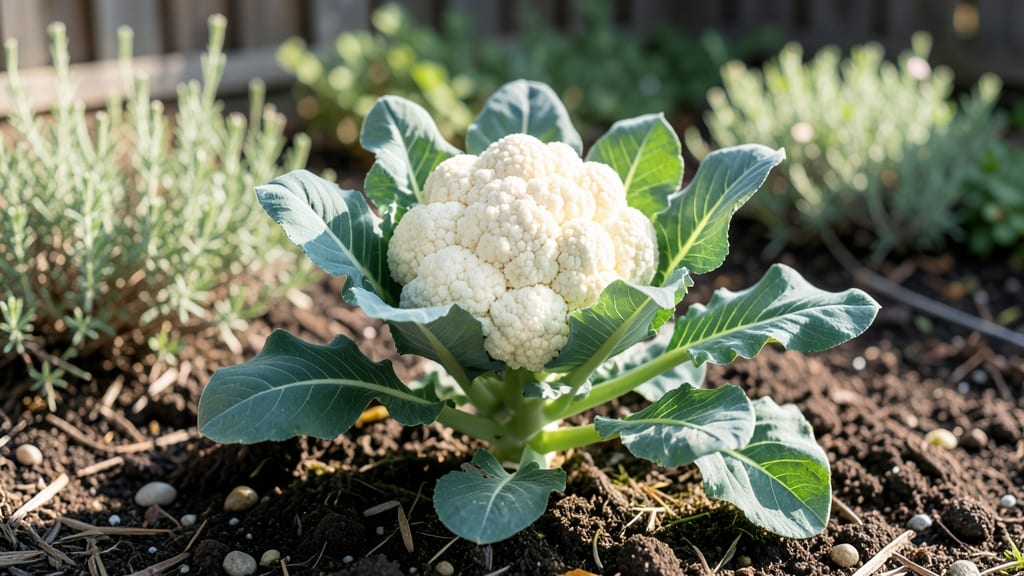
If you’ve ever wondered how tall cauliflower grows and how much space to leave between your 🥬 cauliflower plants, you’re not alone—getting the height right is half the battle for a bountiful harvest.
Most varieties top out between 18 and 24 inches, but some dwarf types stay as short as 12 inches, while heirloom giants can stretch toward 3 feet.
This means spacing matters more than you think: cram them too close, and you’ll end up with stunted heads or bitter-tasting curds. Give them room to breathe, and you’ll reward yourself with those perfect, snow-white (or purple!) heads you’ve been dreaming of.
But here’s the kicker—your cauliflower’s final height depends on more than just genetics. Soil quality, sunlight, and even the variety you pick play a role.
In this guide, I’ll break down everything you need to know to space your plants like a pro, whether you’re growing in a backyard plot or a cozy container garden. Ready to stop guessing and start growing?
Let’s dive into the exact heights, spacing tricks, and what to watch for when your plants start reaching skyward.


Cauliflower height by variety: from compact dwarf to towering giants
If you're planning your garden layout, knowing how tall cauliflower grows is essential—especially when choosing varieties that fit your space. Some cauliflowers stay compact enough for containers, while others reach towering heights that need dedicated garden real estate.
The right spacing ensures strong heads and prevents disease by improving airflow. Let's explore the height ranges and growth habits of popular varieties so you can pick the perfect fit for your garden.
Most cauliflower varieties fall between 1 to 3 feet tall at maturity, but some dwarf types stay under 12 inches, while giant varieties can stretch over 3 feet. The key difference lies in their growth habit—some grow upright and bushy, while others spread wider.
Understanding these traits helps you avoid overcrowding or leaving gaps in your planting plan. For example, Romanesco varieties often grow taller and more upright, while Snowball types may spread wider at the base.
Here’s a quick reference for cauliflower height by variety, including ideal spacing to maximize your harvest without sacrificing plant health:
For container gardening, dwarf varieties like Miniature White thrive in 12-inch pots, while larger types need at least 18-inch containers. The spacing requirements directly impact airflow and sunlight exposure—critical for preventing fungal diseases like downy mildew.
For example, Romanesco needs extra space because its tall stems can shade smaller plants if crowded.
If you’re growing cauliflower in rows, aim for 24–36 inches between plants, depending on the variety. For a square-foot garden, you can fit 4–9 plants per square foot, depending on size.
Always check seed packets for specific spacing recommendations, as some heirloom varieties may vary slightly from the averages above. For instance, Purple of Sicily benefits from wider spacing to accommodate its slightly spreading leaves.
Another factor affecting height is temperature and sunlight. Cauliflower grown in cooler climates (USDA Zones 6–8) often matures at their expected heights, but in hotter zones, they may grow taller but produce smaller heads.
If you notice tall stems with underdeveloped heads, it could signal a need for shade cloth during peak summer heat. Always monitor your plants and adjust spacing or support as needed—especially for taller varieties like Giant White, which may need staking to prevent lodging.
Pro tip: Use mulch around the base of taller varieties to retain moisture and prevent stems from weakening. This is especially helpful in dry climates where cauliflower may grow taller but struggle to form heads due to stress. A 2–3 inch layer
How to space cauliflower plants for maximum yield (without overcrowding)
Spacing your 🥬 cauliflower plants correctly is the secret to avoiding stunted growth and maximizing those prized heads. Most standard varieties reach 18–24 inches tall at maturity, but their spacing needs depend on whether they’re compact dwarfs or towering heirlooms.
Get this wrong, and you’ll either smother your plants or waste garden real estate.
For standard cauliflower varieties, aim for 18–24 inches apart in all directions. This gives their broad leaves room to photosynthesize without competing for sunlight.
If you’re growing giant varieties like Romanesco, stretch that spacing to 36 inches or more—they can reach 3 feet tall and need extra elbow room to form those stunning fractal heads.
🌱 Spacing Cauliflower: Pros & Cons
✅ Standard Spacing (18–24")
- Pros: Balances yield & airflow
- Cons: Less dense planting
Best for most varieties—ideal for backyard gardens.
✅ Tight Spacing (12–18")
- Pros: Maximizes plants per sq ft
- Cons: Risk of disease & stunted heads
Works for dwarf varieties or container gardens.
✅ Wide Spacing (36"+)
- Pros: Larger heads, better airflow
- Cons: Uses more space
Essential for heirloom giants like Purple of Sicily.
If you’re growing in containers, opt for dwarf varieties like ‘Snowball Y’ and space them 12–18 inches apart. Just remember: containers dry out faster, so monitor soil moisture closely. For high-density planting, try succession planting—harvest early varieties first, then replant the space.
One trick I swear by? Stagger your rows in a triangle pattern (not straight lines) to improve airflow and reduce disease risk. This works especially well for heavy producers that need extra breathing room. And if your plants start leaning? It’s a sign they’re overcrowded—thin them out immediately.
Finally, don’t forget that soil fertility affects height too. Amend your beds with compost before planting—healthy soil means stronger stems and bigger heads. With the right spacing, your cauliflower will reward you with plump, flavorful curds instead of scraggly stalks.
Pro tip: Mark your spacing with stakes or string before planting to avoid guesswork. Trust me, your future self will thank you when harvest time rolls around! 🌿