
Flowers
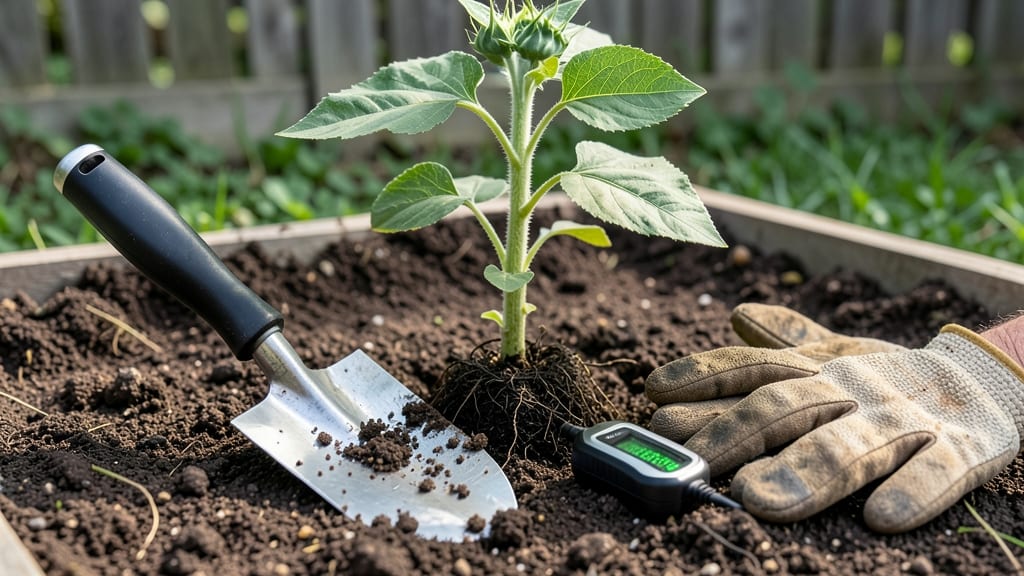
Planting sunflowers in Kentucky at the wrong time can turn your bright dreams of towering 🌻 blooms into a sad, frost-nipped disappointment.
The key isn't just checking a calendar—it's knowing when your soil warms up enough (around 55°F) and accounting for Kentucky's tricky microclimates where Louisville's heat islands and the Appalachian foothills can feel like entirely different gardens.
Most gardeners here aim for mid-April through early June, but that window shifts based on whether you're in USDA Zone 6a or 7a. Plant too early, and a late frost will greet your seedlings like an unwelcome houseguest.
Too late, and you might miss the 180-210 frost-free days these sun-loving annuals need to reach their full 6-15 foot glory.
I'll walk you through the exact soil temperature triggers, regional adjustments for urban vs. rural spots, and how to pick varieties that match your growing season.
Whether you're a first-timer or a veteran gardener, these tips will help you time your planting so your sunflowers go from seed to showstopper—without any frost-related surprises.
Ready to grow sunflowers that make your neighbors do a double-take? Let's get your timing right so you can enjoy those golden faces from late summer through fall. The secret starts with understanding when (and why) to put those seeds in the ground.
Kentucky’s ideal sunflower planting window by soil temperature (not just calendar dates)
Sunflowers in Kentucky thrive when planted at the right soil temperature, not just calendar date. While USDA Zones 6-7 suggest late April as the average last frost, your sunflower seeds need consistent warmth to germinate properly.
Planting too early—before April 15—risks frost damage, even if daytime temps feel spring-like. The key is waiting for soil to reach 50°F+ for germination and 60°F+ for robust growth.
Kentucky’s microclimates complicate things further. Louisville’s urban heat island warms up faster than rural areas, while Appalachian foothills lag behind. This means your Lexington garden might be ready by April 20, while a Bowling Green plot could wait until May 1.
Always check soil temperature with a thermometer—it’s more reliable than guessing by date.
🌱
| Region | Avg. Last Frost | Ideal Planting Window | Soil Temp Threshold | Notes |
|---|---|---|---|---|
| Louisville (Urban) | April 10-15 | April 20 - May 10 | 55°F+ (warmer soil) | Heat island effect speeds warming |
| Lexington (Suburban) | April 12-18 | April 25 - May 5 | 52°F+ (moderate) | Balanced urban/rural mix |
| Northern KY (Zone 6a) | April 20-25 | May 1 - May 15 | 50°F+ (cooler) | Later frost risk; wait longer |
| Southern KY (Zone 7a) | March 25 - April 5 | April 10 - April 30 | 58°F+ (warmer) | Earlier planting possible |
| Rural/Appalachian | April 15-20 | May 1 - May 10 | 53°F+ (variable) | Check microclimate daily |
For direct-sown sunflowers, aim for 2-3 weeks after your region’s last frost when soil hits 55°F+. If you’re transplanting seedlings, wait until soil reaches 60°F+—cooler temps stunt growth.
My Lexington garden saw best results planting ‘Autumn Beauty’ varieties on April 28 when soil hit 58°F, avoiding a late-April frost that wiped out early sowings.
Kentucky’s humidity also plays a role. Warm, moist soil speeds germination, but overwatering before seeds sprout can cause rot. Use a moisture meter to confirm readiness—50% moisture at planting depth is ideal. In drought-prone areas like western Kentucky, wait until May 1 to ensure consistent moisture for young plants.
Pro tip: Use black plastic mulch to warm soil faster in cooler zones. It raises ground temps by 5-10°F, letting you plant 1-2 weeks earlier without frost risk. Just remove it once plants hit 12 inches tall to prevent overheating.
Remember, sunflowers are fast growers—they’ll bolt (flower) in 60-90 days depending on variety. Planting too late in May or June means blooms arrive after first frost (mid-October in most of Kentucky), cutting your harvest short. For continuous blooms, stagger plantings every 2 weeks from April through early June.
If you’re in Zone 6a (northern Kentucky), err on the side of caution—wait until May 1 for ‘Moulin Rouge’ varieties, which mature in 70 days. Southern growers can push ‘Russian Giant’ (120+ days) into early April soil.
Always monitor weather forecasts for late frosts, especially in elevated areas where cold air settles.
🌻
Sunflower varieties that thrive in Kentucky’s short vs. long growing seasons
Kentucky’s USDA Zones 6a-7a create a unique challenge for sunflower lovers—northern regions like Paducah have shorter growing seasons, while southern areas near Bowling Green enjoy 30+ extra frost-free days. The right variety can mean the difference between 70-day blooms and 120-day giants.
For northern Kentucky, early-maturing types like ‘Autumn Beauty’ (70 days) ensure blooms before the first frost, while southern gardeners can grow towering ‘Russian Giant’ varieties that reach 12+ feet.
Choosing the wrong variety risks frost damage or underdeveloped seeds. In northern Kentucky, where the growing season averages 180 frost-free days, late-blooming varieties simply won’t mature.
Meanwhile, southern Kentucky’s 210+ frost-free days allow for bold, dramatic sunflowers that become landscape centerpieces. Let’s match your location to the perfect variety for your microclimate.
For northern Kentucky, where early frosts are common, prioritize ‘Autumn Beauty’ or ‘Teddy Bear’—both mature in 50-70 days and handle cooler temperatures better than their towering cousins. These dwarf varieties (3-5 feet) also work well in container gardens or small urban spaces.
Their brown-and-yellow bicolor blooms add late-season color when other flowers fade, and they’re less likely to topple in high winds.
In southern Kentucky, where summers stretch into October, go big with ‘Russian Giant’ or ‘Mammoth’ varieties. These 12-15 foot sunflowers need full sun and rich soil to reach their potential, but their dramatic height makes them perfect for cut flower arrangements or privacy screens.
Just be prepared to stake them—their massive stems can bend under heavy blooms. For a mid-range option, ‘Moulin Rouge’ (65-70 days) offers double blooms in vibrant red and thrives in both urban and rural settings.
Don’t overlook ‘ProCut’ series for gardeners who want longer vase life and disease resistance. These varieties are bred specifically for cut flowers and perform well across Kentucky’s humid summers.
If you’re growing for birdseed, opt for ‘Autumn Beauty’—its smaller, dense heads attract finches and chickadees while providing early fall color.
Regardless of your location, always plant after the last frost date (typically mid-April in northern KY, early April in southern KY) and choose a spot with well-draining soil. In high-humidity areas, add mulch to prevent powdery mildew, a common issue for sunflowers in Kentucky’s summer heat.
With the right variety, your sunflowers will thrive from the Bluegrass Region to the Cumberland Plateau.