
Plants
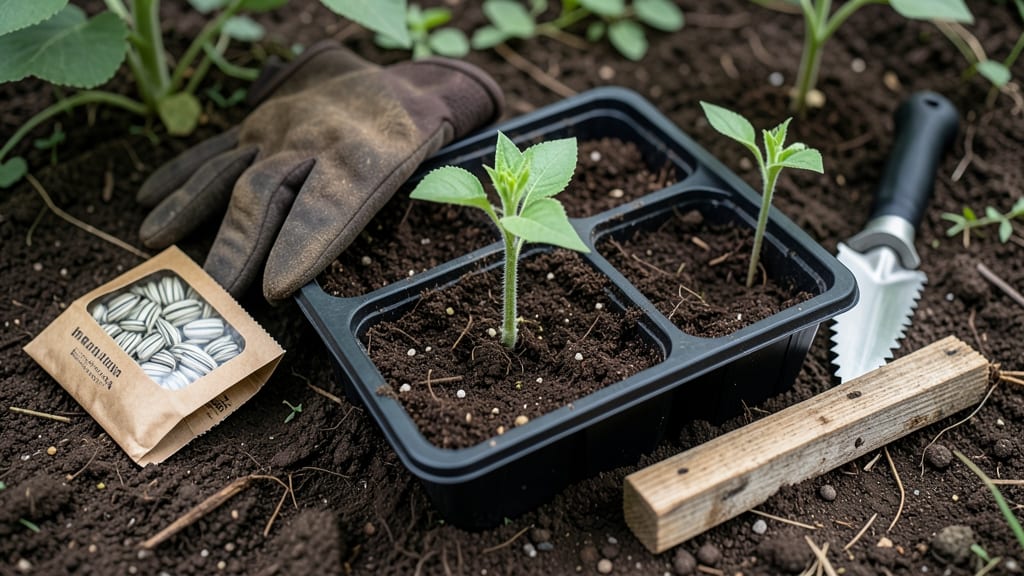
Planting sunflower seeds at the right time in Zone 8 can mean the difference between stunning, towering blooms and underwhelming stalks that barely reach your waist. The key isn't just waiting for spring—it's understanding how your local climate and frost dates work together to create the perfect growing window.
Most gardeners in Zone 8 know sunflowers 🌻 love warmth, but did you know planting too early can leave them vulnerable to late frosts? Or that late summer sowings might produce smaller blooms before winter sets in?
I've grown sunflowers for years in this zone, and the timing secrets I'm about to share will help you avoid these common pitfalls.
We'll cover exactly when to start seeds indoors (if you choose that route) versus direct sowing outdoors, plus how to adjust for your specific microclimate within Zone 8.
Whether you're aiming for giant varieties that reach 12 feet or compact ones perfect for containers, getting the timing right is the foundation of success.
Ready to grow sunflowers that make your neighbors jealous? Let's dive into the ideal planting schedule that will have your plants thriving from seed to bloom in your Zone 8 garden.
Best planting windows for sunflower seeds in Zone 8
Sunflowers in Zone 8 love the warmth, but getting your planting timing right ensures those iconic blooms reach their towering potential. The key is balancing soil temperatures and frost-free windows—Zone 8’s mild winters mean you’ve got flexibility, but not too much.
Let’s break down the perfect schedule for spring vs. fall planting and how to adjust for early/late varieties.
Most gardeners in Zone 8 focus on spring planting (March–May) because it aligns with the last frost date (usually around March 15). However, fall planting is also possible if you choose fast-maturing varieties and plan carefully.
The goal is to give sunflowers 60–90 days of warm weather before the first frost (typically November 15).
Here’s the critical factor: soil temperature. Sunflower seeds need soil that’s at least 55°F (13°C) to germinate. In Zone 8, this usually happens by early April in most regions, but microclimates (like coastal areas) may warm up faster.
Use a soil thermometer to confirm—planting too early in cold soil leads to poor germination.
For spring planting, aim for mid-April to early June. This window ensures your sunflowers have enough time to mature before summer heat stress or late-season pests set in.
If you’re growing tall varieties (6–14 ft), plant them earlier in the spring for maximum height, while dwarf varieties (1–3 ft) can handle later plantings.
Fall planting is trickier but doable with the right approach. Start seeds indoors in late July to early August and transplant outdoors in September once soil temps drop below 80°F (27°C).
This avoids the intense summer heat that can stress young plants. Choose fast-maturing varieties (50–60 days) like ‘Moulin Rouge’ or ‘Teddy Bear’ for fall success.
Zone 8’s microclimate variations can shift planting windows by weeks. Coastal areas (like San Diego) may start planting in March, while inland regions (like Phoenix) can wait until April.
Check your local frost-free date and adjust: count backward from the first frost (usually November 15) and subtract your variety’s days to maturity.
Pro tip: If you’re in a hotter sub-region of Zone 8 (like Las Vegas), avoid planting in June or July—the extreme heat can cause bolting (premature flowering) or stunted growth.
Instead, opt for late spring or early fall plantings to beat the heat. For cooler microclimates (like Sacramento), you can push spring planting into early June for late-summer blooms.
Direct sowing is the best method for sunflowers—they hate transplanting. Scatter seeds 1 inch deep and 6 inches apart in loose, well-draining soil. If you’re using succession planting for continuous blooms, stagger seeds every 2–3 weeks from April to June.
Thin seedlings to 12–18 inches apart for standard varieties to prevent overcrowding.
One common mistake? Waiting until the soil is too warm (>85°F or 29°C). Sunflowers can germinate in these conditions, but seedlings may struggle. If you’re planting in late spring or summer, water the soil deeply before sowing to cool it down.
Mulch with straw or grass clippings to retain moisture and regulate temperature.
Remember, sunflowers are fast growers—some varieties reach 5–6 feet in just 80 days. By nailing your planting window and adjusting for your local climate, you’ll enjoy tall, vibrant blooms from summer through early fall. Happy planting! 🌻
How to extend your sunflower growing season in Zone 8
Zone 8 gardeners can enjoy sunflowers for months longer than most realize by using smart strategies. The key is succession planting and choosing cold-hardy varieties that thrive in your extended growing season.
With the right timing, you can stretch blooms from early summer all the way to fall—even through light frosts—without sacrificing plant health.
Sunflowers are famously fast-growing, but their mature size and bloom time depend heavily on when you plant. In Zone 8, where last frost dates range from mid-March to early April, you can push your planting windows further than you might expect.
The trick? Start early with cold-tolerant varieties and protect late-season plants from unexpected chills.
🌱 Numbered Highlights: Extending Your Sunflower Season in Zone 8
- 📅 Start seeds indoors 6-8 weeks before your last frost date (typically mid-January) for early blooms. Use biodegradable pots to avoid transplant shock.
- Direct sow outdoors 2-3 weeks after your last frost (usually late March to early April) for direct sun exposure and faster growth.
- Plant succession batches every 2-3 weeks from April through June to ensure continuous blooms. Space seeds 6 inches apart in rows 18-24 inches apart.
- Choose cold-hardy varieties like 'Autumn Beauty' or 'Moulin Rouge', which tolerate light frosts and extend your harvest window into October.
- Use row covers or lightweight fabric in late summer to protect plants from early fall frosts (Zone 8’s first frost is around mid-November).
- Harvest seeds early by cutting heads when back turns yellow (usually 80-120 days after planting) to preserve them for next year.
For late-season extensions, try planting a final batch in early August using fast-maturing varieties like 'Teddy Bear' (50-60 days to maturity). These dwarf sunflowers (1-3 feet tall) bloom quickly and handle cooler temps better than giant varieties.
Just be sure to water deeply before the first frost to help them store nutrients for next year.
Another pro tip: Mulch heavily around your sunflowers in late summer with straw or leaves to insulate roots. This preserves soil warmth and gives plants a head start in spring if you’re planning an early planting. In my garden, mulched plants often survive light frosts and rebound faster in spring.
Don’t forget to save seeds from your best-performing plants! Sunflower seeds stay viable for years, so you can replant the same varieties season after season. Store them in a cool, dry place (like a paper envelope in the fridge) to keep them fresh for next year’s extended growing season.
With these strategies, you can turn your Zone 8 garden into a sunflower paradise that blooms from May through October. The secret? Plan ahead, protect your plants, and embrace succession planting—your towering sunflowers will thank you with months of golden cheer! 🌻