
Flowers
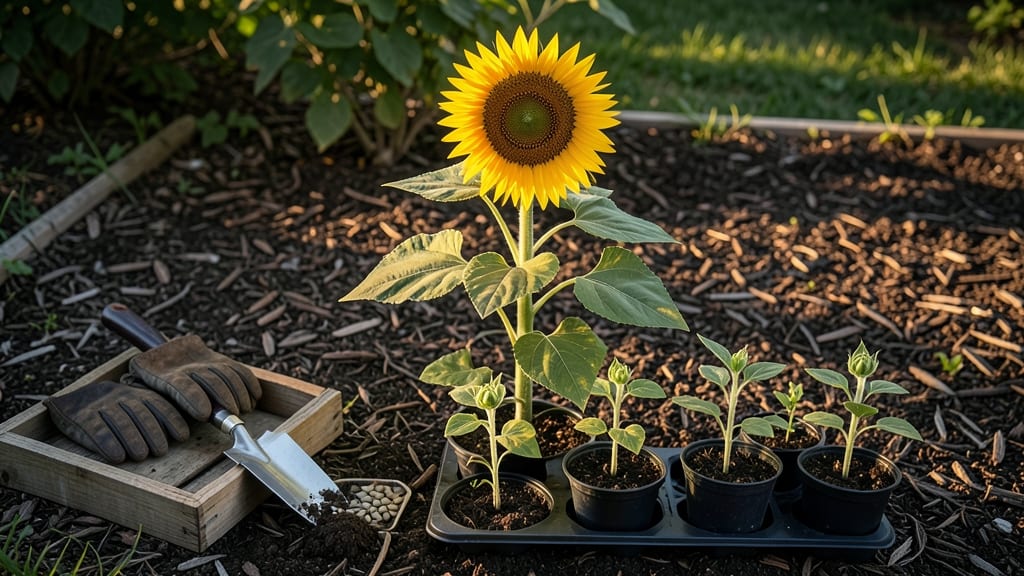
Timing your sunflower 🌻 planting just right in Colorado can transform your garden from a patch of dirt to a towering summer spectacle—or leave you with wilted seeds and frustration.
With three distinct elevation zones and unpredictable mountain weather, knowing when to plant isn’t just about the calendar.
I’ve tested the best methods across Denver’s Front Range to the Western Slope’s high deserts, and the difference between 50-day blooms and stunted stalks often comes down to soil temperature, not just frost dates.
Here’s what I’ve learned: The ideal window shifts dramatically from 3,000 feet in Colorado Springs to 8,000 feet in the Rockies, and direct sowing vs. transplanting makes all the difference. Let’s break it down so you can plant with confidence.
You’ll discover the exact frost-free deadlines for your zone, how to prep soil for high-altitude sunflowers, and which varieties thrive where—plus a few tricks to outsmart Colorado’s late springs. Ready to grow sunflowers that reach for the sky?
Colorado sunflower planting dates by elevation zone: frost-free deadlines
Colorado’s dramatic elevation shifts—from the Front Range’s 5,000-foot valleys to the Rocky Mountain peaks above 10,000 feet—create wildly different frost-free windows for sunflowers. At lower elevations, you might enjoy 120+ frost-free days, while high-altitude gardeners often face just 60–90 days of warm weather.
Timing is everything: plant too early, and late frosts will nip your seedlings; too late, and your sunflowers may bolt before reaching their full 6–12-foot glory.
For accurate planning, I’ve broken down last-frost averages and optimal planting windows by three key elevation zones: Front Range (2,500–6,500 ft), Foothills (6,500–8,500 ft), and Mountain Regions (8,500–10,000 ft).
These ranges account for Colorado’s microclimates, where a single county can have 10-day differences in frost dates between north- and south-facing slopes.
Here’s the critical frost-free timeline you need to know before grabbing your sunflower seeds. I’ve also included soil-warming tips for high-altitude areas, where cooler soils can delay germination by 2–3 weeks.
| Elevation Zone | Avg. Last Frost | Direct Sowing Window | Transplant Window | Soil-Warming Tip |
|---|---|---|---|---|
| Front Range (2,500–6,500 ft) | May 5–15 | April 20–May 10 | April 1–May 1 | Use black plastic mulch 2 weeks before planting |
| Foothills (6,500–8,500 ft) | May 15–25 | May 1–15 | April 15–May 1 | Plant near south-facing walls or use row covers |
| Mountain Regions (8,500–10,000 ft) | June 1–10 | May 20–June 1 | May 10–20 | Start seeds indoors 4–6 weeks early or use cold frames |
For Front Range gardeners (Denver, Colorado Springs, Fort Collins), aim to plant giant sunflower varieties like ‘Russian Giant’ or ‘Mammoth’ by April 20 for full-season blooms.
These areas benefit from longer daylight hours and warmer soils, giving sunflowers time to reach 10+ feet tall before the first fall frost (October 1–15). If you’re in Pueblo or the Arkansas Valley, you can push planting back 1–2 weeks due to earlier last-frost dates.
In the Foothills (e.g., Boulder, Estes Park, Manitou Springs), cooler nights and shorter growing seasons demand earlier action. Choose dwarf or semi-dwarf varieties like ‘Teddy Bear’ or ‘Autumn Beauty’ for reliable blooms. These varieties mature in 60–75 days, fitting neatly into the May 1–15 sowing window.
If you’re transplanting starts, do so by May 1 to avoid stunted growth from transplant shock in 50°F soils.
High-altitude gardeners in Mountain Regions (e.g., Aspen, Leadville, Durango) face the toughest challenge: short seasons and cold soils. Here, oilseed sunflowers like ‘Sunizole’ or ‘NuSun’ are your best bet—they mature in 50–60 days and tolerate cooler temperatures.
Start seeds indoors by April 15 or use cold frames to warm soil to 50°F+ before direct sowing. Even then, expect bolting risks if nights stay below 45°F.
Pro tip: Test your soil temperature before planting—sunflower seeds need 50°F+ soil to germinate. Use a soil thermometer or press your hand into the soil: if it feels like a warm bath, it’s ready.
For high-altitude areas, black plastic mulch can raise soil temps by 5–10°F, shaving critical days off your growing season. In Denver or Colorado Springs, where last frosts can linger into mid-May, consider row covers for early sowings.
Timing also depends on your sunflower variety type. Giant varieties (e.g., ‘Russian Giant’) need 100+ days to mature, while dwarf types (e.g., ‘Sunspot’) thrive in 60 days.
Match your variety to your frost-free window: in Mountain Regions, stick to short-season types; in the Front Range, you can experiment with tall, showy varieties for dramatic summer displays.
One final caution: late-spring frosts are common in Colorado, even after the average last-frost date. Monitor your local Almanac frost predictions and
5 Critical factors that affect sunflower planting success in Colorado
While frost-free dates are your starting point, Colorado’s sunflowers need more than just the right calendar timing—they demand soil warmth, consistent moisture, and smart adjustments for altitude. I’ve seen sunflower seedlings thrive in Denver’s urban gardens while struggling just 50 miles away in the Rocky Mountain foothills.
The difference? These five critical factors often separate success from disappointment.
First, soil temperature is non-negotiable: sunflower seeds won’t germinate below 50°F. In high-altitude zones like Leadville, this means waiting until late May for direct sowing, even if frost risk has passed. Use a soil thermometer—if your soil feels cooler than a warm bath, delay planting.
In Front Range areas, black plastic mulch can warm soil by 10°F, letting you plant 2–3 weeks earlier.
Second, moisture consistency is your secret weapon. Sunflowers need 1–1.5 inches of water per week, but Colorado’s dry winds and high evaporation rates mean shallow watering won’t cut it. In Pueblo’s arid climate, I’ve seen sunflowers wilt by noon if not watered deeply at dawn.
Mulch with straw or wood chips to lock in moisture—this is especially critical in June and July, when temperatures can spike to 95°F.
- Soil Temp Threshold: 50°F+ for germination (use soil thermometer)
- Moisture Needs: 1–1.5 inches/week (deep watering at dawn)
- Altitude Adjustments: 10–14 day delays above 7,000 ft
- Frost Risk: Late-spring frosts can hit until May 20 in mountains
- Season Extension: Cold frames add 3–4 weeks to growing season
Third, altitude adjustments are everything. For every 1,000 feet above 5,000 ft, your growing season shrinks by 3–5 days. In Aspen (8,000 ft), this means planting 2 weeks later than in Colorado Springs (5,000 ft).
Choose short-season varieties like ‘Autumn Beauty’ (60 days) over ‘Russian Giant’ (120 days). I’ve also found that oilseed sunflowers handle high-altitude stress better—they bolt less readily in cool nights below 45°F.
Fourth, late-spring frosts are Colorado’s sneaky saboteurs. Even after your average last-frost date, May frost risks linger in the mountains. Use frost cloth for young seedlings or plant near south-facing walls to create microclimates.
In Denver’s urban heat islands, I’ve seen sunflowers bloom 2 weeks earlier than rural areas just 10 miles away—proof that local topography matters more than elevation alone.
Finally, extending your season is key for high-altitude gardeners. Cold frames can push your planting window back by 3–4 weeks, while row covers protect against early fall frosts in September.
In Durango (6,500 ft), I’ve grown sunflowers into October by combining black plastic mulch with drip irrigation—the mulch warms soil while the irrigation prevents drought stress. For Front Range gardeners, this means you can enjoy 10-foot sunflowers until first frost in October.
Master these five factors, and your Colorado sunflowers will reach their full 6–12-foot potential—no matter your elevation. Start with soil warmth, then lock in moisture, adjust for altitude, guard against frosts, and extend your season. Your garden’s summer skyline will thank you. 🌻