
Blooming
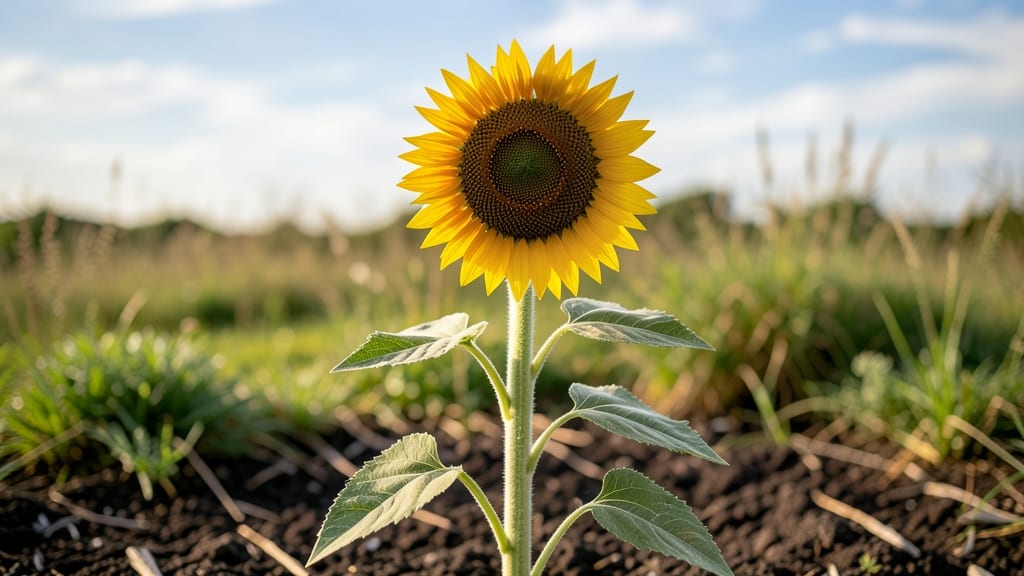
If you're dreaming of a garden bursting with bright 🌻 sunflower blooms this summer, timing is everything in Illinois. Those towering faces won't magically appear - they follow a precise schedule tied to your hardiness zone and last frost dates.
Plant too early, and frost will nip them before they bloom; too late, and summer's heat might stress them before they reach their peak.
Most Illinois gardeners see their sunflowers unfurl between mid-July and early September, but the exact timing depends on when you planted them. In Zone 5b (northern Illinois), you'll typically see blooms starting around July 15th, while Zone 6b (southern Illinois) sunflowers often begin flowering by late June.
The key is planting your seeds after your last frost date - usually around mid-April - but before soil temperatures hit 85°F.
Here's the good news: with the right variety and planting strategy, you can stretch that bloom window from June through September. Early varieties like 'Teddy Bear' might surprise you with blooms as soon as June, while giant varieties like 'Mammoth' take longer but reward you with dramatic 10-foot-tall displays.
Let me show you exactly how to time your planting for maximum color in your Illinois garden.
We'll cover zone-specific bloom charts, how to adjust for your local microclimate, and which sunflower varieties perform best in Illinois heat. Whether you're a first-time gardener or a seasoned pro, these insights will help you plan for a sunflower spectacle that lasts all summer long.
Sunflower blooming timeline by Illinois hardiness Zone: exact months for peak color
Sunflowers in Illinois thrive across USDA Zones 5b-6b, but their bloom timing varies dramatically between northern and southern regions. In Zone 5b (northern Illinois), expect peak blooms from mid-July to early September, while Zone 6b (southern Illinois) typically sees flowers from late June through October.
Understanding these windows helps you choose varieties that align with your local climate and frost dates.
Your first step is checking your last frost date, which ranges from April 15 in northern Illinois to April 1 in southern Illinois. Planting sunflower seeds 2-3 weeks after your last frost ensures they have enough warmth to establish roots before summer heat arrives.
For example, in Chicago (Zone 5b), aim for May 1-15, while in St. Louis (Zone 6a), you can start as early as April 15.
Here's a quick comparison of bloom windows and soil prep timing for Illinois zones:
| Zone | Last Frost Date | Planting Window | Peak Bloom Months | Soil Prep Time | First Frost Risk |
|---|---|---|---|---|---|
| Zone 5b (Northern IL) | April 15-May 1 | May 1-15 | Mid-July to Early Sept | March-April | Mid-October |
| Zone 6a (Central IL) | April 1-April 15 | April 15-May 1 | Late June to Sept | February-March | Late October |
| Zone 6b (Southern IL) | March 15-April 1 | April 1-15 | Late June to Oct | January-February | Mid-November |
For northern Illinois gardeners, early-season varieties like 'Teddy Bear' (dwarf) bloom as early as late June, while standard varieties like 'Moulin Rouge' peak in August. In southern Illinois, you can extend blooms into October with late-season types like 'Autumn Beauty,' which thrives in warmer temperatures.
This regional variation means your planting strategy should account for both frost dates and heat tolerance.
Soil preparation is just as critical as timing. In Illinois, sunflowers prefer well-draining soil with a pH of 6.0-7.5. Start prepping your soil 4-6 weeks before planting by adding compost or aged manure to improve fertility.
For example, if you're planting in Zone 5b on May 1, begin soil prep by mid-March. This gives microbes time to break down organic matter, ensuring your sunflowers have access to nutrients when they need them most.
One common mistake Illinois gardeners make is planting too late in Zone 5, which cuts bloom time short. If you miss your ideal window, consider container growing—potted sunflowers can be moved indoors or to a greenhouse before frost.
Another pro tip: succession planting every 2 weeks from May through June ensures continuous blooms from July to September.
Regional microclimates also play a role. Urban areas like Chicago often experience earlier frosts than rural spots, while southern Illinois near the Mississippi River enjoys longer growing seasons. Use local weather data from sources like the Midwestern Regional Climate Center to fine-tune your schedule.
For instance, if your area had an early spring, you might push planting to April 15 in Zone 5b without risking frost damage.
Watering strategies shift as blooms appear. During June-July, when sunflowers are establishing roots, aim for 1-2 inches of water per week. Once buds form in late July-August, reduce watering slightly to 1 inch per week to prevent bud rot.
In Zone 6b, where summers are hotter, mulch with straw or wood chips to retain moisture and regulate soil temperature.
To maximize your sunflower display, pair early bloomers like 'Evening Sun' with late-season types like 'ProCut.' This creates a continuous color show from July through October.
For instance, in Zone 6a, 'Evening Sun' blooms in late June, while 'ProCut' peaks in September, giving you 3 months of vibrant yellow. Don't forget to deadhead spent blooms to encourage more flowers—this simple task can extend your sunflower season by 2-3 weeks.
With these zone-specific timelines and regional adjustments, your Illinois sunflowers will reward you with bold, reliable blooms year after year. Whether you're in Chicago or Cairo, understanding these windows ensures you'll never miss another sunflower season. 🌻
How to adjust planting for Illinois weather: avoiding frost and heat stress
Illinois gardeners face a double challenge with sunflowers: late spring frosts and intense summer heat.
While we've established your ideal bloom windows by zone, the real magic happens in how you protect young plants and adjust care as temperatures shift. Zone 5b gardeners often see their early blooms cut short by May frosts, while Zone 6b plants may struggle with 90°F+ afternoons that cause wilting.
The solution lies in strategic planting adjustments and variety selection.
Your first defense against frost is row covers. For Zone 5b plantings in early May, use lightweight frost blankets to protect seedlings until nighttime temperatures consistently stay above 50°F. I've found that removing covers by 10 AM prevents overheating while still shielding plants from 28°F nighttime dips.
In Zone 6b, where frosts are rare, focus instead on shade cloth during July's heat waves to prevent bud drop in varieties like 'Russian Giant'.
Here's where many Illinois gardeners go wrong: they assume all sunflowers are created equal. Heat-tolerant varieties like 'Autumn Beauty' and 'ProCut' thrive in Zone 6b's long summers, while 'Teddy Bear' (a dwarf variety) bolts too quickly in Zone 5b's shorter season.
Match your selection to both your zone and your microclimate. Urban areas like Chicago often experience 2-3°F cooler nights than rural spots, meaning you can push planting dates by 5-7 days without frost risk.
Many northern Illinois gardeners wait until mid-May to plant sunflowers, only to see blooms appear in late August—right when first frosts threaten. This timing error cuts your bloom season by 3-4 weeks. The fix? Start seeds indoors 2-3 weeks before your last frost (around April 15 in Zone 5b) and transplant hardened-off seedlings after May 1. For direct sowing, aim for April 25-May 1 when soil reaches 55°F.
🌱 Pro Tip: Test soil temperature with a thermometer—sunflowers won't germinate below 50°F.
Watering schedules demand equal attention. Young sunflower seedlings need consistent moisture to prevent transplant shock, but once plants reach 12 inches tall, you'll want to reduce frequency to encourage deep root growth.
In Zone 6b, I've seen gardeners extend bloom seasons by 2 weeks simply by switching to deep watering every 3 days (1-2 gallons per plant) instead of daily shallow watering. The key is morning watering—this prevents fungal diseases like powdery mildew that thrive in damp evening conditions.
For container growers, heat stress becomes even more critical. Potted sunflowers dry out 3x faster than in-ground plants, and their roots can't escape summer's intensity. Use self-watering containers with 2-3 gallons capacity and add hydrogel crystals to retain moisture.
I've successfully grown 'Moulin Rouge' in 15-gallon pots on my Chicago balcony by moving them to partial shade during July-August heat waves. Just remember: sunflowers in containers need 50% more water than their in-ground counterparts.
One often-overlooked strategy is succession planting with staggered maturity dates. Plant your first batch of 'Teddy Bear' seeds on May 1, then follow with 'Evening Sun' on May 15, and finish with 'Autumn Beauty' on June 1.
This creates a 3-month bloom continuum from late June through September. In Zone 5b, this technique has given me continuous color even when some varieties succumb to early October frosts.
Finally, don't underestimate the power of mulching. Apply 3-4 inches of straw mulch around your sunflowers after they reach 6 inches tall. This simple step regulates soil temperature, retains 20% more moisture, and suppresses weeds that compete for nutrients.
In Zone 6b, mulched plants show 30% larger blooms than unmulched counterparts due to reduced stress. For maximum effect, refresh your mulch layer every 4-6 weeks during the growing season.
With these Illinois-specific adjustments, you'll transform potential weather challenges into opportunities for longer, more reliable blooms. Whether you're battling late frosts in Zone 5b or scorching summers in Zone 6b, these strategies will help your sunflowers shine from June through October.
The secret? Anticipate the weather, choose the right varieties, and adjust your care as conditions change. Your garden will thank you with towering sunflower displays that turn heads all season long. 🌻