
Flowers
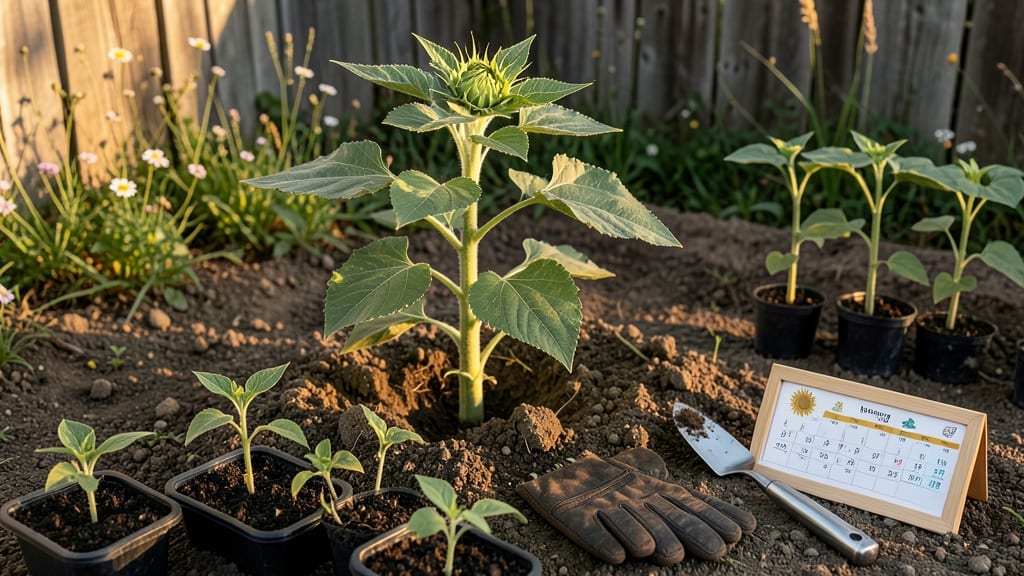
Planting sunflowers in Missouri at the wrong time can leave you with stunted plants or missed blooms—but getting the timing right means towering 🌻 stalks that brighten your garden all summer.
Since Missouri spans USDA Zones 5b-6b, your ideal planting window shifts slightly between northern and southern regions. While the general rule is "after the last frost," that can mean mid-April in Kansas City or waiting until early June in cooler areas like St. Louis.
The difference? A few weeks that determine whether your sunflowers reach their full potential.
I’ll break down the exact dates for your zone, plus pro tips for adjusting if spring surprises you with late frosts. Whether you’re growing dwarf varieties for containers or giant sunflowers for cut arrangements, timing is the key to success.
Let’s make sure your sunflowers get the perfect start—no guesswork, just blooms you’ll love from late summer through fall.
Best sunflower planting dates in Missouri by USDA Zone (5 vs. 6)
Sunflowers are one of my favorite summer blooms because they’re easy to grow and bring instant joy—but only if you plant them at the right time. In Missouri, the difference between USDA Zone 5b (northern areas) and Zone 6b (southern regions) can shift your planting window by 3-4 weeks.
Too early, and frost will nip tender seedlings. Too late, and you might miss the full-height potential of your favorite varieties.
I’ve tested sunflower planting in both zones for years, and the best results come from aligning your schedule with soil temperature (at least 55°F) and last frost dates.
While the general rule is "after the last frost," Missouri’s spring weather can be unpredictable—so I’ll give you exact calendar-based windows for both zones, plus tips for adjusting if Mother Nature throws a curveball.
Here’s what you need to know: In Zone 5b, you’ll want to start seeds indoors by late March or direct-sow after April 15. In Zone 6b, you can push those dates back to mid-April for indoor starts or early May for outdoor planting.
The key is balancing warm soil with frost-free nights—let’s break it down.
For Zone 5b gardeners, I recommend starting seeds indoors by late March if you want to transplant hardened-off seedlings after the last frost. This gives you a 2-week head start on the growing season.
If you’re planting directly outdoors, wait until April 15 at the earliest—earlier sowings risk frost damage, and sunflower seeds won’t germinate well in cold soil.
In Zone 6b, you’ve got more flexibility. You can start seeds indoors as late as mid-April or direct-sow outdoors from April 15 to May 15.
The warmer climate means less frost risk, so you can even push late plantings into early June for dwarf varieties like 'Moulin Rouge,' which mature in just 60 days.
One mistake I see often? Planting sunflowers too close to summer’s peak. If you wait until July, your plants may bolt (flower too quickly) or struggle in the intense Missouri heat. Instead, aim for May plantings to ensure blooms by late summer. For continuous flowers, I stagger
How to adjust planting dates for Missouri’s microclimates and frost risks
Missouri’s microclimates can shift planting windows by weeks, especially when comparing northern St. Louis (Zone 5b) to southern Kansas City (Zone 6b). A late frost in May can wipe out early plantings, while waiting too long risks stunted growth before summer’s heat.
The key is flexibility—adjusting dates based on soil temperature, frost forecasts, and your garden’s specific conditions.
For example, if your yard sits in a low-lying area or near a lake, cold air pools overnight, increasing frost risk. Conversely, south-facing slopes warm up faster, allowing earlier plantings.
I’ve learned to monitor local Almanac frost dates but also trust my own observations—like watching nearby cherry trees bloom as a natural calendar.
Here’s how to adapt your sunflower planting schedule when Mother Nature throws curveballs: use row covers for early starts, choose frost-tolerant varieties, or even try a second planting in late June for fall blooms. The goal? Maximize your growing season without gambling on perfect timing.
⚠️ Late Frost Warning: How to Protect Young Sunflowers
If frost is forecasted within 3-5 days of planting, don’t panic. Sunflower seeds can handle light frosts (down to 32°F) once sprouted, but young seedlings are vulnerable. Here’s my emergency plan:
- Row Covers: Use frost cloth (not plastic) to trap heat. Secure edges with bricks or soil.
- Cloche Protection: Place clear plastic bottles (cut in half) over seedlings for mini greenhouses.
- Water Strategically: Damp soil holds heat better—water evening before frost to boost ground temperature.
- Transplant Timing: If using starts, delay until soil stays above 55°F for 3+ days.
Pro Tip: ‘Moulin Rouge’ and ‘Autumn Beauty’ tolerate cooler temps better than standard varieties.
For gardeners in Zone 5b, I recommend starting seeds indoors by late March and transplanting after May 15—even if that means waiting until June. In Zone 6b, you can direct-sow as early as mid-April, but always check 7-day forecasts for cold snaps.
A 10-day delay in planting might save your entire crop from a 28°F night.
Another trick I’ve used is sequential planting: sow a few seeds every 2 weeks from April through June. This spreads out your blooming window, ensuring continuous color even if early plantings get nipped.
For example, ‘Teddy Bear’ dwarf sunflowers (50-day maturity) planted in late May will bloom just as giant ‘Russian Giant’ (120-day) varieties reach peak height in September.
Don’t overlook soil temperature—sunflower seeds need 55°F+ soil to germinate. Use a soil thermometer (only $10!) to confirm readiness. If your ground is still chilly, wait or use black plastic mulch to warm it faster. Patience here pays off with stronger stems and larger blooms later.
Finally, embrace fall planting for late-season sunflowers. Varieties like ‘Autumn Beauty’ can handle light frosts and even improve flavor with a touch of cold. Try sowing in late July or August—these plants will bloom in September-October, adding cheer when many gardens are winding down.