
Plants
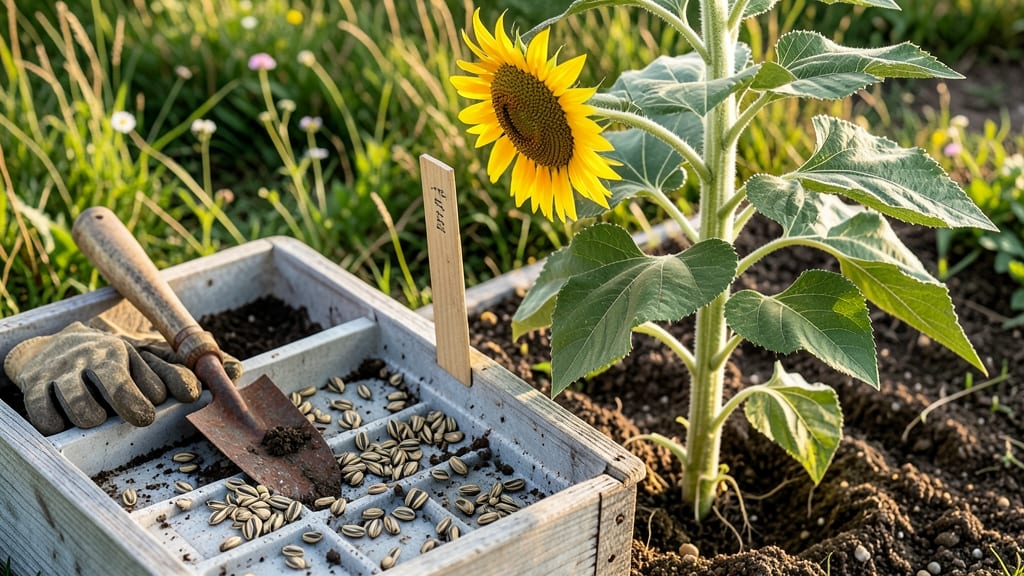
Planting sunflower seeds in Virginia at the wrong time could mean the difference between towering 12-foot giants and sad, stunted blooms.
The perfect window depends on your microclimate—whether you're in the humid Coastal Plain or the cooler Piedmont—because even a few weeks off can throw off your sunflower's 120-day growth cycle.
Most Virginia gardeners wait until mid-April to mid-June after the last frost, but that's just the starting point.
In Zone 6a (like the Shenandoah Valley), you might need to plant earlier to beat the first frost in October, while gardeners in Zone 8a (like the Tidewater region) can stretch plantings into July for late-summer blooms. The key? Soil temperature—wait until it hits 55°F for reliable germination.
Sunflowers are annuals in Virginia, meaning they complete their entire life cycle in one season, but timing matters more than you'd think. Plant too early, and you risk frost damage; too late, and your 🌻 might not mature before winter.
I’ll break down the exact dates for your region, plus pro tips to extend your growing season—because nobody wants to miss out on those giant, sun-drenched blooms.
Ready to grow sunflowers that reach their full potential? Let’s dive into the microclimate-specific timing that’ll give you the tallest, healthiest stalks in your Virginia garden—no guesswork required.
Virginia’s sunflower planting zones: when to sow for maximum height
Virginia’s diverse climate—from the humid coastal plains to the cooler mountain regions—means sunflower planting dates can vary by 100 miles or more. Getting the timing right ensures your sunflowers reach their 12-foot potential instead of struggling to grow.
The key? Aligning your planting with soil temperatures and last frost dates specific to your USDA zone.
Most Virginia gardeners plant sunflowers between mid-April and mid-June, but this window shifts depending on whether you’re in USDA zones 5a-8a.
For example, zone 5a gardeners (like those in the Shenandoah Valley) should wait until after May 1 to avoid frost damage, while zone 8a gardeners (coastal areas) can start as early as mid-March.
Soil temperature is just as critical as air temperature. Sunflower seeds need soil that’s at least 55°F for consistent germination. In Virginia, this typically happens 2-4 weeks after the last frost, but mountain regions may need to wait until late May. Use a soil thermometer to confirm—this small investment prevents wasted seeds and stunted growth.
Direct-sowing is the easiest method for sunflowers, but if you’re transplanting seedlings, start them indoors 4-6 weeks before your last frost date. Harden them off for 7-10 days before moving them outdoors to avoid shock.
Transplants should be 3-4 inches tall and have 2-3 true leaves when you set them in the ground.
| USDA Zone | Last Frost Date | Ideal Planting Window | Soil Temp Threshold | Notes |
|---|---|---|---|---|
| 5a (Mountains) | May 1 - May 15 | May 15 - June 10 | 55°F+ (late May) | Cool nights; choose early varieties (e.g., 'Teddy Bear'). |
| 6a (Piedmont) | April 15 - April 30 | April 20 - May 15 | 55°F+ (early April) | Moderate climate; standard varieties thrive here. |
| 7a (Coastal) | March 30 - April 15 | March 20 - April 30 | 55°F+ (mid-March) | Humid; space plants wider (18" apart) to prevent mildew. |
| 8a (Tidewater) | March 15 - March 30 | March 1 - April 15 | 55°F+ (late February) | Warmest zone; can plant late varieties (e.g., 'Mammoth') for fall blooms. |
If you’re in zone 5a or 6a, consider using row covers or a cold frame to start seeds indoors in March. This gives your sunflowers a head start and extends the growing season by 3-4 weeks.
For example, if your last frost is May 1, starting seeds indoors on March 15 lets you transplant hardened-off seedlings by April 15, giving them a full 120-day growing season before frost.
For coastal Virginia (zones 7a-8a), the real challenge isn’t frost—it’s humidity and heat. Plant in early spring (March-April) to avoid the late-summer heat that can stress sunflowers. Choose drought-tolerant varieties like 'ProCut' or 'Autumn Beauty' for better resilience.
In these zones, you can even squeeze in a second planting in July for fall blooms, though these may not reach their full height.
One common mistake Virginia gardeners make is planting too late. Sunflowers need 70-120 days to mature, depending on the variety. If you plant after June 1, even in zone 8a, your flowers may not reach maturity before the first frost in October.
Use a sunflower maturity calculator to pick varieties that align with your planting date. For instance, 'Moulin Rouge' (70 days) works for late June plantings, while 'Russian Giant' (120 days) needs an early start.
Pro tip: Test your soil before planting. Sunflowers prefer well-draining soil with
Microclimate adjustments: coastal vs. Piedmont vs. mountain planting schedules
Virginia’s diverse geography means your sunflower’s success hinges on where you live. The Tidewater region’s humid coastal air demands earlier plantings to avoid fungal issues, while Shenandoah Valley’s cooler mountain nights require faster-maturing varieties.
Even a 100-mile difference can shift your ideal planting window by 2-3 weeks—so let’s break down the exact schedules for each microclimate.
In Coastal Virginia (Zone 8a), where summers linger into November, you’ve got flexibility to plant March through July—but aim for April 15 to May 15 to avoid hurricane risks in late summer.
The Piedmont (Zone 7a) offers a sweet spot of April 30 to June 15, balancing heat tolerance with frost risks. Meanwhile, Mountain regions (Zone 6a) must plant May 1 to June 1 to ensure maturity before October’s early frosts.
Soil temperature is your golden rule: Wait until it hits 55°F (13°C) for reliable germination. Coastal areas often reach this by mid-March, while mountains may wait until late April. Use a soil thermometer—don’t guess! The wrong timing can leave you with wilting seedlings or underdeveloped blooms.
Each microclimate also plays by different heat rules. Coastal sunflowers thrive in 90°F+ humidity, while mountain varieties wilt if nights dip below 50°F.
For late-summer heat tolerance, choose 'Heatwave' or 'Early Bird'—they mature in just 60-70 days, perfect for July plantings in Zone 7a. In contrast, 'Mammoth' varieties need 120 days and belong in coastal gardens only.
Pro tip: Use black plastic mulch in cooler zones to warm soil faster, or row covers in coastal areas to protect against hurricane winds. Both tricks can extend your planting window by 2-3 weeks—giving you that extra margin for perfectly timed blooms.
The right variety + timing = sunflowers that reach their genetic potential.
Don’t let Virginia’s microclimates fool you—with these schedules, you’ll grow sunflowers that dominate your landscape, whether you’re in the salty breezes of Norfolk or the cool mountain air of Roanoke. Now grab those seeds and let’s get planting! 🌻