
Plants
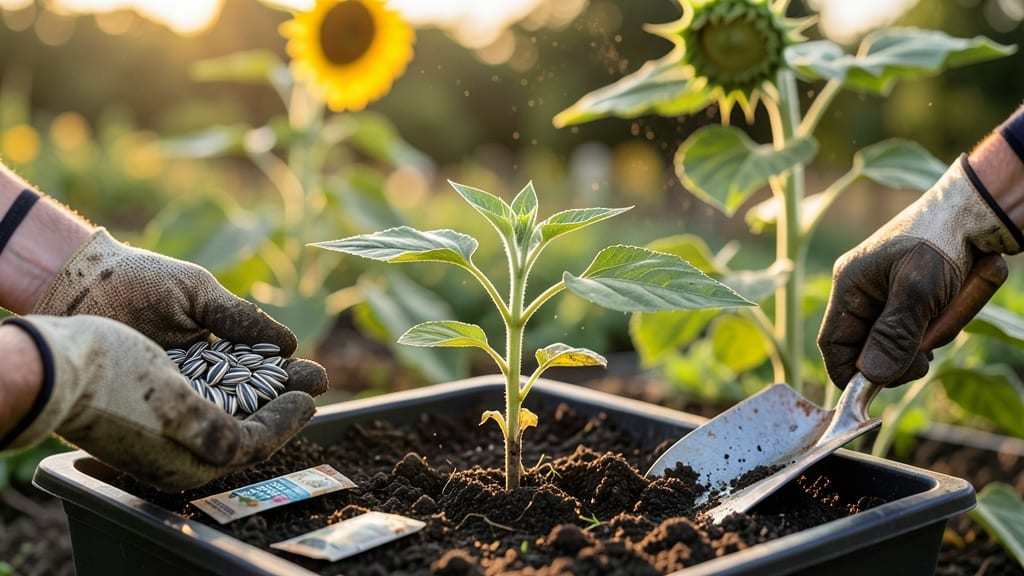
Planting sunflower seeds in North Carolina at the wrong time could mean watching your 🌻 dreams wilt before they even bloom. The key to success isn't just knowing the calendar—it's understanding how your specific county's frost dates and microclimates interact with sunflower varieties.
Most gardeners in NC's 6a-8b zones get it right by planting between mid-April and early June, but coastal areas like Wilmington face different risks than mountain towns like Asheville. Even a 2-week delay can push your harvest into frost season, turning towering blooms into sad, stunted stalks.
I'll walk you through exactly when to plant based on your location, how to adjust for soil temperature (sunflowers need 55°F+ to thrive), and which varieties handle NC's unpredictable weather best. Whether you're a first-timer or a seasoned grower, these insights will help you time your planting like a pro.
Ready to grow sunflowers that reach their full potential? Let's break down the science—and the secrets—so you can enjoy those golden blooms from July through October without a single frost-related setback.
North Carolina sunflower planting zones: frost-free dates by county heat map
North Carolina's diverse geography creates wildly different planting windows for sunflowers. The Mountains (like Asheville in Zone 6b) have later frost dates than the Coastal Plain (Wilmington in Zone 8a).
This heat map breaks down your county's average frost-free dates so you can plant sunflowers at the perfect time for maximum growth and harvest success.
Most NC gardeners fall into USDA Zones 6b-8a, where frost-free dates range from early March in the Piedmont to late April in the Mountains. Coastal areas like Morehead City (Zone 8a) enjoy 270 frost-free days, while mountain valleys like Boone (Zone 6b) have just 165 days.
These differences mean a 6-week gap in ideal planting windows between regions.
Below is your county-by-county guide to frost-free dates, with optimal planting windows for sunflowers. Use this to time your seeds for full summer blooms before the first frost in fall.
For example, gardeners in Raleigh (Zone 7b) should plant by May 15, while those in Charlotte (Zone 8a) have until June 1.
| Region | Counties | USDA Zone | Avg Last Frost | Avg First Frost | Planting Window |
|---|---|---|---|---|---|
| Mountains | Asheville, Boone, Waynesville | 6b | March 25 | November 10 | April 20–May 10 |
| Henderson, Spruce Pine | 6b | March 20 | November 5 | April 15–May 5 | |
| Burnsville, Brevard | 7a | March 10 | November 1 | April 1–May 15 | |
| Piedmont | Raleigh, Durham, Chapel Hill | 7b | March 15 | November 15 | April 10–May 20 |
| Greensboro, Winston-Salem | 7b | March 10 | November 10 | April 5–May 15 | |
| Charlotte, Concord | 8a | March 15 | December 1 | April 10–June 1 | |
| Rockingham, Salisbury | 7b | March 20 | November 20 | April 15–May 25 | |
| Coastal Plain | Wilmington, Morehead City | 8a | March 1 | December 15 | March 20–June 15 |
| Fayetteville, Goldsboro | 8a | March 5 | December 10 | March 25–June 10 | |
| Jacksonville, New Bern | 8a | March 1 | December 5 | March 15–June 5 |
Notice how coastal counties like Wilmington can plant as early as late March, while mountain counties like Asheville must wait until mid-April. This difference is critical because sunflowers need 60–120 days to mature, depending on the variety.
Planting too early in the mountains risks frost damage, while planting too late on the coast may result in smaller blooms before winter.
Use this heat map to determine your county's optimal planting window, then adjust by 1–2 weeks based on your microclimate. For example, if you live in a valley (colder air settles), plant 2 weeks later than the average.
Conversely, if your garden sits on a south-facing slope (warmer microclimate), you can plant 2 weeks earlier.
Pro tip: Check your local Cooperative Extension Service for real-time frost data, as microclimates can shift yearly. For instance, Raleigh's frost-free date has shifted 3 days earlier per decade due to climate change—so always verify before planting.
Once you've nailed down your planting window, remember that soil temperature matters just as much as air temperature. Sunflowers won’t germinate well below 55°F, even if the air is warm. I’ll cover soil temperature tricks in the next section—stay tuned to avoid cold-soil surprises that stall your seeds.
🌱
Adjusting planting times for soil temperature and microclimates in NC
North Carolina’s diverse landscapes—from the coastal plains to the mountain valleys—create microclimates that can shift sunflower planting windows by 3-4 weeks. Even within the same county, a 1-mile elevation change can mean a 5°F temperature difference, affecting when your seeds should hit the soil.
For example, Asheville’s cooler Zone 6b may need a later start than Raleigh’s Zone 7b, despite both being in the same general region.
A soil thermometer is your best tool for precision planting. Sunflower seeds germinate best when soil temperatures consistently reach 55–60°F. In most of NC, this aligns with late April to early May, but in the Piedmont, you might need to wait until mid-May.
For coastal areas, warmer soils in March could tempt early planting—but hold off until after the average last frost date to avoid seedling loss.
⚠️ WARNING: Planting Too Early in NC’s Microclimates ⚠️
Row covers and black plastic mulch are game-changers for adjusting planting times. In Zone 6a areas, these tools can push your planting window 2–3 weeks earlier in spring or 3–4 weeks later in fall.
For example, if you’re in Western NC and want to try a late-summer planting, use row covers to protect seedlings until soil warms again in September. Just remove covers once flowers appear to prevent overheating.
Urban gardeners face unique challenges: concrete heat absorption can make soil 10°F warmer than rural areas, while shaded balconies might delay germination. Test multiple spots in your garden with a soil thermometer—your sunniest corner might be ready 10 days earlier than your north-facing bed.
Pro tip: Plant dwarf varieties (like ‘Teddy Bear’) in cooler microclimates—they mature faster and tolerate lighter soils.
Here’s my 3-step checklist to verify your sunflowers are ready to plant: 1️⃣ Soil Check: Use a thermometer to confirm temps are 55°F+ at 4-inch depth for 3 consecutive days. 2️⃣ Frost Risk: Check your county’s 10-day forecast for nighttime lows below 40°F.
3️⃣ Microclimate Test: Plant a test row in your shadiest spot—if it sprouts within 10 days, your main planting site is ready.
Don’t let NC’s unpredictable weather steal your sunflower dreams. With these adjustments, you’ll enjoy towering blooms from July through October—no matter where you garden.
The key is patience and precision: wait for the right soil temp, protect seedlings when needed, and embrace your local microclimate as an asset, not a challenge. 🌻