
Plants
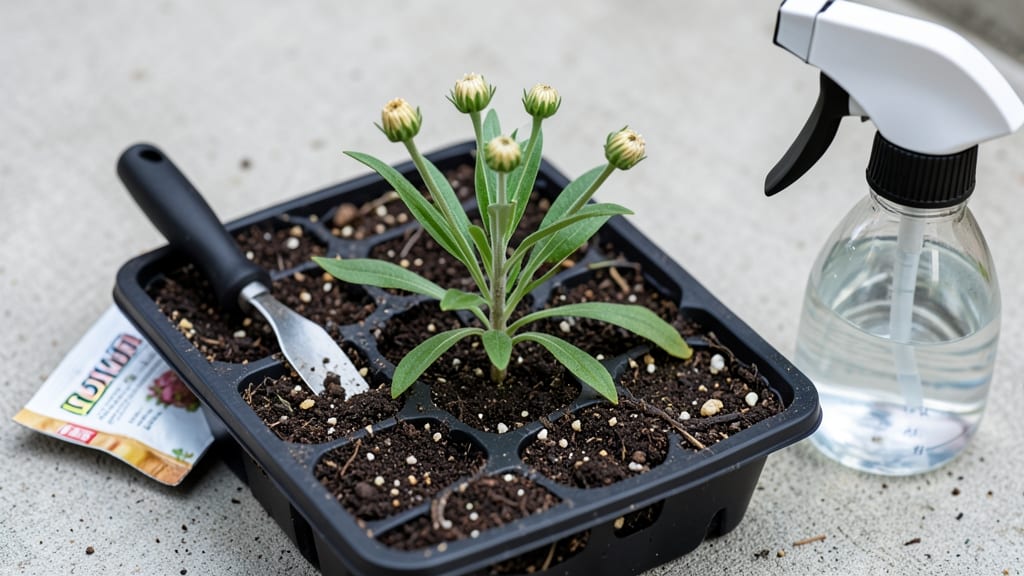
When to plant strawflower seeds is the key to unlocking those bold, papery blooms that last for weeks—no floppy stems or sad little sprouts here. Whether you're in chilly USDA Zone 6a or a warmer climate, getting the dates wrong can mean the difference between a showstopping garden and a sad, leggy disappointment.
I’ve learned the hard way that strawflowers (🌼) aren’t picky, but they do have a sweet spot: April to May after the last frost, when soil is warm enough to coax those seeds into action.
Skip this window, and you might end up with plants that bolt too fast or struggle to hold their vibrant colors. Let’s break down the exact dates for your zone—and how to stretch your blooms all season long.
You’ll also discover when to start seeds indoors (if you’re eager to jumpstart growth) and how to prep soil for direct sowing, so your strawflowers pop up strong and healthy. No more guessing—just confident planting that guarantees those long-lasting, drought-tolerant blooms you’ll love cutting for bouquets.
From staggered sowings to heat tolerance hacks, I’ll share the tricks that keep my strawflowers thriving from late summer right into fall. Ready to turn your garden into a colorful, low-maintenance paradise? Let’s get those seeds in the ground at the perfect moment.
Optimal strawflower planting dates by USDA hardiness Zone
Strawflowers (Helichrysum bracteatum) thrive when planted at the right time, but their optimal planting window varies dramatically across the USDA hardiness zones. In warmer zones like Zone 9-11, you can sow seeds year-round, while cooler zones (Zone 3-6) require precise timing to avoid frost damage.
Understanding these frost-free dates ensures your strawflowers grow strong and bloom abundantly.
For direct outdoor sowing, always wait until soil temperatures reach at least 60°F (15°C)—this prevents cold soil from delaying germination. In northern zones (3-6), start seeds indoors 8-10 weeks before the last frost date, while southern zones (7-11) can plant directly outdoors as early as February-March.
Let’s break down the best planting windows for each zone.
Pro Tip: Use succession planting every 2-3 weeks in spring and summer to extend your bloom duration. This works especially well in Zones 7-11, where you can enjoy continuous color from spring through fall.
In Zones 3-4, where frosts linger late, I recommend starting seeds indoors in February to give them a head start. Use grow lights to prevent leggy seedlings, and transplant outdoors only after the soil warms to 60°F (15°C).
For Zones 5-6, aim for March-April indoor starts or direct sow in late April-May once nighttime temperatures stay above 50°F (10°C).
Gardeners in Zones 7-8 have the most flexibility—they can sow seeds year-round, but for longer stems and bigger blooms, focus on spring (February-April) and late summer (August-September) plantings. In these zones, strawflowers often self-seed, so deadhead spent blooms to control spread if needed.
For Zones 9-11, treat strawflowers like perennial annuals. Plant in early spring (January-April) for summer blooms or late summer (August-October) for winter color. These zones benefit from succession planting every 4-6 weeks to ensure a non-stop floral display. Use drought-tolerant mulch to conserve water during hot spells.
If you miss the primary planting window, don’t worry—strawflowers are forgiving. In Zones 5-8, you can make a late sowing in July for late summer blooms, though stems may be shorter. In Zones 9-11, even fall plantings in September-November often produce hardy winter blooms.
Always check your local last frost date (use the USDA Plant Hardiness Zone Map) and adjust by 2-4 weeks for safety. For example, if your last frost is April 15, start seeds indoors by February 15 in Zone 5.
In Zone 9, you can plant anytime—just water deeply after sowing to encourage germination.
Remember: Soil temperature matters more than air temperature. Use a soil thermometer to confirm it’s above 60°F (15°C) before direct sowing. If your soil is too cold, seeds may rot instead of sprout.
For container growing, use well-draining potting mix and keep pots in a sunny, sheltered spot until all frost risk has passed.
With the right planting timing, your strawflowers will reward you with vib
How to adjust planting time for extended blooms
Strawflowers are drought-tolerant superstars, but their bloom duration depends entirely on planting timing. If you want those vibrant papery blooms stretching from summer into fall, you’ll need to play the succession planting game.
The key? Staggering your sowings so new plants bloom just as old ones fade—like a colorful garden relay race.
I’ve found that two staggered plantings, spaced 4-6 weeks apart, create a nonstop bloom show. For example, in USDA Zone 7, I plant my first batch in early May and my second in mid-June.
This ensures blooms from late July through October—no gaps, no sad wilting clusters. The trick is matching your timing to your local last frost date and heat patterns.
Here’s where most gardeners go wrong: They plant all their seeds at once and expect a never-ending parade of blooms. Reality? Your first batch will peak and fade while the second is still getting established.
Avoid this by calculating your frost-free window and planning your second planting 60-70 days before your first expected frost in fall. For Zone 5, that might mean a July 15 second planting.
- 1 Stagger by 4-6 weeks: Plant your first batch after last frost, then sow a second batch 6 weeks later for continuous blooms. Example: May 1 + June 15 in Zone 6.
- 2 Adjust for heat zones: In hotter climates (Zones 8-11), plant your first batch in late winter (Feb-March) to avoid bolting from summer heat. Second batch goes in early summer.
- 3 Avoid leggy plants: If your seedlings stretch toward the light, they’re etiolating. Thin to 12-18 inches apart and provide full sun (6+ hours daily) to prevent weak stems. Use shade cloth if starting indoors before transplanting.
- 4 Soil temp matters: Strawflower seeds need soil at 60°F+ to germinate. Use a seedling heat mat for early starts or wait until soil warms naturally. Cold soil = slow or no germination.
- 5 Deadhead for longevity: Snip spent blooms to encourage new flower production and extend the season. This works best when paired with succession planting—your second batch will take over as the first winds down.
Don’t overlook heat tolerance—strawflowers are tough, but extreme summer heat can cause them to bolt prematurely or produce smaller blooms. In Zones 9-11, I plant my first batch in February and my second in August to avoid the hottest months.
Mulch with straw or gravel to keep roots cool and retain moisture, which helps plants handle heat stress better.
One of my biggest mistakes? Planting too close together. Crowded strawflowers compete for nutrients and end up with skinny stems that flop over. Always space them 12-18 inches apart and thin seedlings early to avoid this.
A little extra space = stronger stems and bigger blooms that last longer in vases.
With these adjustments, your strawflowers will bloom like clockwork, giving you weeks of vibrant color instead of a single sad peak. The secret? Timing + spacing + heat management. Now go forth and create that show-stopping garden you’ve been dreaming of! 🌼