
Flowers
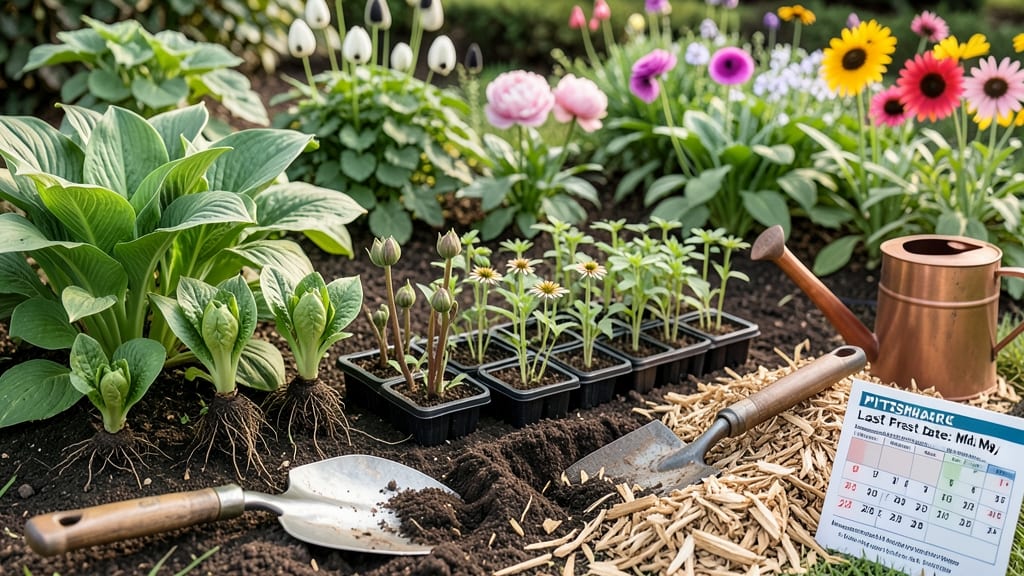
When to plant flowers in Pittsburgh can make the difference between a vibrant garden and a sad, frost-bitten mess—but getting it right isn’t as tricky as it seems. With the right schedule, you can beat the city’s unpredictable springs and enjoy 🌸 blooms from April through October, even in USDA Zone 6b’s short growing season.
Most gardeners here wait until after the last frost date (around April 15), but that’s only half the story. Some flowers, like hardy pansies or tulips, can handle cooler temps and even thrive when planted in early spring.
Meanwhile, heat-loving petunias need to wait until the soil warms up—usually by mid-May.
In this guide, I’ll break down the exact planting windows for your favorite flowers, from cold-tolerant perennials to delicate annuals. You’ll learn how to stretch your season with simple tricks, like using row covers or choosing frost-resistant varieties, so you’re not left scrambling when Mother Nature throws curveballs.
Whether you’re a first-time gardener or a seasoned pro, these tips will help you plant with confidence—so you can enjoy a garden that bursts with color, no frost-related disappointments included.
Pittsburgh’s last frost dates: the exact window to plant flowers safely
Pittsburgh’s USDA Zone 6B climate means frost can linger until late April or early May, but knowing the exact planting window ensures your flowers thrive.
The average last frost date falls between April 25 and May 10, but microclimates in the city vs. suburbs can shift this by 1-2 weeks. For example, downtown areas warm faster than North Hills or Mt. Lebanon, where cold air pools.
Annual flowers like petunias and marigolds need to wait until after May 10 unless you use row covers to protect tender seedlings. Perennials such as coneflowers and black-eyed Susans, however, can handle cooler temps and often benefit from early spring planting (March-April) to establish roots before summer heat arrives.
Here’s the critical planting timeline based on Pittsburgh’s frost data, adjusted for city vs. suburban differences:
| Plant Type | Ideal Planting Window | City Adjustment | Suburban Adjustment | Frost Risk |
|---|---|---|---|---|
| Cold-Hardy Annuals (Pansies, Sweet Peas) | March 15–April 15 | April 1–April 15 (warmer microclimates) | March 15–April 1 (cooler pockets) | Low (Zone 6B hardiness) |
| Tender Annuals (Petunias, Geraniums) | After May 10 | May 1–May 10 (protected areas) | May 10–May 15 (higher risk) | High (frost-sensitive) |
| Perennials (Coneflowers, Hostas) | March 1–April 30 | March 15–April 15 (earlier root growth) | March 1–March 31 (slower warming) | Moderate (established roots) |
| Bulbs (Tulips, Daffodils) | October–November (fall) or March (spring) | October 15–November 1 (earlier frost) | November 1–November 15 (warmer soil) | None (dormant in winter) |
To extend your planting window, monitor the National Weather Service’s Pittsburgh forecast for the 10-day outlook. A 3-day forecast of 50°F+ nights signals it’s safe to plant heat-loving annuals like zinnias or sunflowers.
For suburban gardeners, areas near trees or hills may experience later frosts, so delay planting by 5–7 days in these spots.
If you’re starting seeds indoors (like tomato flowers or coleus), begin 6–8 weeks before your target last frost date. For example, city dwellers should start seeds by March 1, while suburban gardeners can wait until March 15.
Use grow lights to simulate 14–16 hours of daylight, which mimics Pittsburgh’s late spring conditions.
For container gardening, move pots indoors or under cover if a frost warning appears. Terracotta pots lose heat faster than plastic or fabric grow bags, so prioritize these for tender plants.
Group containers together to create a microclimate that retains warmth, especially in windy city areas like Strip District or Lawrenceville.
Pro tip: Plant early bloomers like crocuses or bleeding hearts in late February—they’ll push through snow and bloom before May, giving you color when frost is still a risk. These Zone 3–5 hardy flowers are frost-proof and perfect for ground cover under tender perennials.
Always harden off seedlings for 7–10 days before transplanting, especially if moving from indoor warmth to outdoor temps. Start by placing them in a shady, sheltered spot for 2–3 hours daily, then gradually increase sun exposure and time outdoors.
This acclimation process prevents transplant shock, which is deadly in Pittsburgh’s fluctuating spring temps.
Remember: Pittsburgh’s first frost typically arrives October 15–20, so fall planting of cool-season crops like pansies or kale flowers can extend your garden’s life until November. Use mulch to insulate
Best flowers to plant by month in Pittsburgh’s climate (Zone 6B)
Pittsburgh’s Zone 6B climate means we get a short but sweet growing season—so choosing the right flowers for each month is key to maximizing your garden’s beauty.
Some plants, like pansies and tulips, can handle our chilly springs, while others, like petunias and marigolds, need warmer soil to thrive. By aligning your plantings with the month, you’ll avoid frost damage and enjoy blooms from early spring to late fall.
Here’s my foolproof month-by-month guide, packed with cold-hardy annuals and perennial powerhouses that love Pittsburgh’s conditions. I’ve included frost-tolerance ratings and soil temperature tips so you can plant with confidence—no more guessing games when Mother Nature throws a surprise frost!
- March: Plant cold-hardy bulbs (tulips, daffodils) and pansies as soon as the ground thaws. Soil temps should be 40°F+. Use row covers for extra protection.
- April: Sow sweet peas and snapdragons (they tolerate light frosts). Transplant hardy perennials like coneflowers and black-eyed Susans once soil reaches 50°F+. Wait for last frost (avg. April 15) for heat-lovers.
- May: Plant annuals like petunias and geraniums after May 10 (when soil hits 60°F+). Start fall-blooming perennials (e.g., aster and chrysanthemum) from seed or transplants.
- June: Add heat-tolerant annuals (e.g., zinnia and cosmos) and succession-plant fast growers like bachelor’s buttons every 2 weeks for continuous blooms.
- August: Start fall-blooming bulbs (e.g., crocus and hyacinth) indoors. Plant mums and asters outdoors for September-October color. Mulch to protect roots from early frosts.
- September: Sow hardy annuals (e.g., pansies and sweet peas) for winter-spring blooms. Divide perennials like daylilies to rejuvenate them before dormancy.
Pro tip: Always check soil temperature with a soil thermometer—it’s the best way to avoid frost damage. For example, pansies can handle 32°F soil temps, while petunias need at least 55°F to germinate.
If you’re unsure, start seeds indoors 6-8 weeks before the last frost (around February 20) for a head start.
Don’t forget to mulch heavily in fall to protect perennials from freeze-thaw cycles, which can heave roots out of the ground. I’ve seen black-eyed Susans and coneflowers bounce back beautifully after winter with just 3 inches of straw mulch—it’s a game-changer for Pittsburgh’s unpredictable winters.
With this schedule, your garden will be a nonstop bloom machine from March through October, even when Pittsburgh’s weather tries to throw you off track. Happy planting!