
Flowers
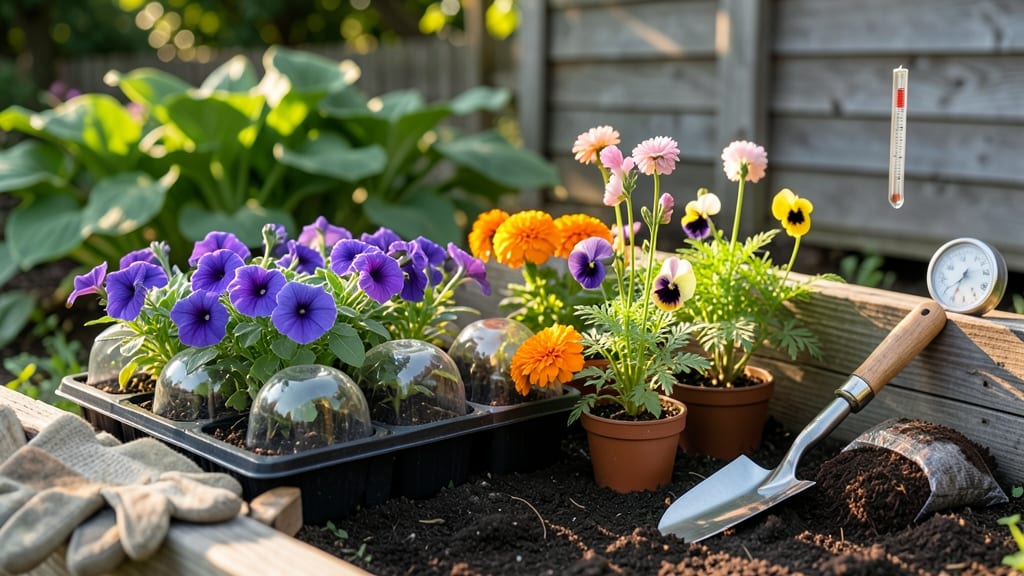
Michigan’s frost-free dates by USDA Zone (4b-6b): when to plant flowers safely
Michigan’s diverse USDA zones (4b-6b) create unique challenges for gardeners, especially when planting flowers that hate frost. Knowing your last average frost date is the first step to avoiding frozen seedlings and maximizing bloom time.
In Zone 4b, for example, the last frost typically arrives around May 15th, while Zone 6b areas often see frost-free conditions by May 1st. These dates shift yearly, so flexibility is key.
To plant flowers safely, use a simple rule: wait until nighttime lows stay above 50°F for at least 5 consecutive days. This ensures tender plants like marigolds or zinnias won’t suffer damage.
For hardy annuals (like pansies or snapdragons), you can push planting 2-3 weeks earlier—they often tolerate light frosts. Always check real-time frost maps from the Michigan State University Extension for the most accurate updates.
Comparison table element is critical for visualizing these differences. Below is a breakdown of historical frost-free dates by zone, along with ideal planting windows for flowers.
| USDA Zone | Avg. Last Frost | Safe Planting Window | Hardy Annuals | Tender Perennials |
|---|---|---|---|---|
| 4b (Upper Peninsula, Traverse City) | May 15 | May 20 - June 5 | Pansies, Snapdragons | Marigolds, Zinnias |
| 5a (Detroit, Lansing) | May 1 | May 10 - May 25 | Sweet Alyssum, Calendula | Petunias, Geraniums |
| 5b (Grand Rapids, Kalamazoo) | April 25 | April 30 - May 15 | Violas, Stock | Impatiens, Begonias |
| 6a (Ann Arbor, Battle Creek) | April 15 | April 20 - May 5 | Lobelia, Dusty Miller | Coleus, Fuchsia |
| 6b (Southwest MI, near Lake Erie) | April 1 | April 10 - April 25 | Sweet Peas, Nasturtiums | Salvia, Verbena |
Notice how Zone 6b (like southwestern Michigan) gets a 4-week head start compared to Zone 4b. This means gardeners in warmer zones can plant heat-loving flowers like sunflowers or cosmos earlier, while cooler zones should focus on cool-season blooms like dianthus or sweet peas.
Always adjust for microclimates—urban areas may stay warmer, while rural spots near lakes can linger cooler.
For real-time updates, use tools like the National Weather Service’s frost prediction maps or the Michigan Garden Guide app. These resources account for yearly variations and help you avoid planting too soon.
Pro tip: mark your calendar for Mother’s Day weekend (May 12th) as a general guideline—it’s often safe to plant flowers by this date in most of Michigan.
If you’re unsure whether your area is truly frost-free, try the 10-day rule: plant heat-sensitive flowers (like tomato plants or peppers) and cover them with frost blankets for the first week.
This gives you a low-risk buffer while you monitor nightly temperatures. For annuals like marigolds, you can even start seeds indoors 6-8 weeks before your last frost date for earlier blooms.
Don’t forget to prepare your soil before planting. Amend with compost or aged manure to improve drainage, and mulch after planting to retain moisture and regulate soil temperature.
In Zone 4b, where frosts can linger, consider using row covers to extend the season for tender perennials like geraniums or impatiens. These simple steps can add 2
How to use Michigan’s 10-Day rule for flower planting success
Michigan’s 10-day frost-free rule is your secret weapon for timing flower plantings perfectly. After the last average frost date (typically mid-May in most zones), wait 10 more days before planting tender annuals. This buffer ensures your pansies, petunias, or geraniums won’t get nipped by surprise cold snaps.
Why 10 days? Michigan’s weather is famously unpredictable—even after the official frost date, late frosts can linger in Zone 4b areas like Traverse City. The rule accounts for these fluctuations while giving your plants time to establish roots before summer heat arrives.
For Michigan’s short growing season (average 150 frost-free days), prioritize fast-blooming annuals like cosmos or sunflowers. These thrive when planted after the 10-day rule but still produce blooms before the first frost in October. Pro tip: Start petunia seeds indoors in March for earlier color.
Don’t forget to harden off seedlings for 7-10 days before transplanting after your calculated date. Gradual exposure to outdoor conditions prevents shock, especially for tender perennials like begonias or impatiens. 🌱
Use this rule year after year—it’s how I’ve avoided frost damage on my hollyhocks and dahlias for over a decade. Just remember: Zone 4b gardeners should err on the side of caution, while Zone 6b areas (like southern Michigan) can push the window slightly later. ☀️