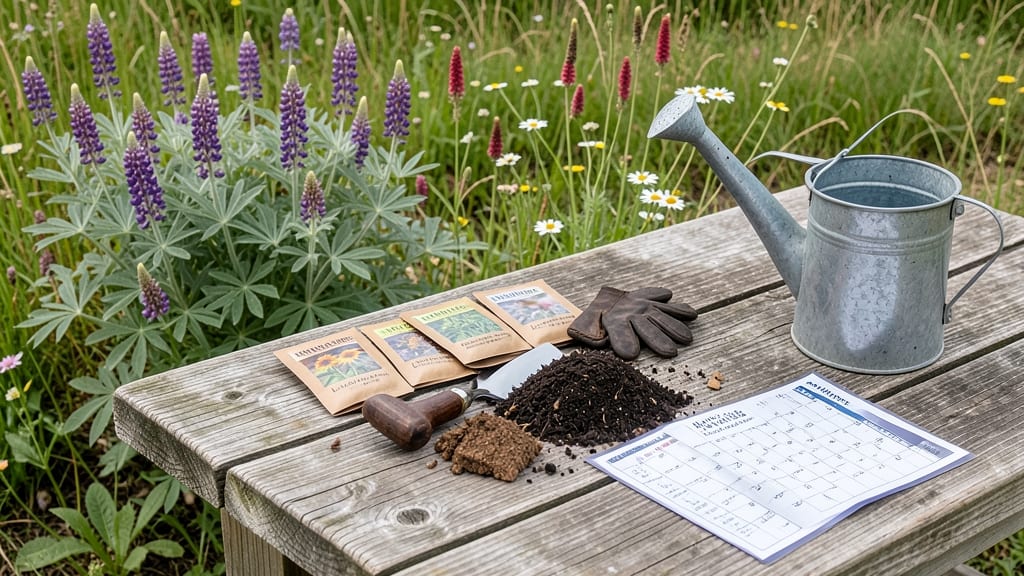
Timing your flowers 🌸 planting in Montana isn’t just about the calendar—it’s about outsmarting frost, soil temps, and the state’s dramatic USDA Zone 3-5 swings. Get it wrong, and your dream garden could vanish overnight. But with the right schedule, you’ll unlock a vibrant spring-to-fall display without the guesswork.
Montana’s short growing season means every week counts, especially in zones where frost can linger until mid-May in some areas. Whether you’re planting hardy perennials like coneflowers or delicate annuals like sweet peas, knowing when to start seeds indoors or transplant outdoors is the difference between blooms and bare soil.
I’ll break down the exact planting windows for your zone, including soil prep tips to give your flowers the best shot at thriving. From extending your season with cold frames to choosing frost-resistant varieties, you’ll learn how to turn Montana’s challenges into a gardener’s advantage.
Ready to transform your yard into a year-round floral oasis? Let’s dive into the step-by-step timeline that’ll keep your garden in full bloom—no matter what Mother Nature throws your way.
Jan
❄️
Feb
❄️
Mar
🌱
Apr
🌸
May
🌸
Jun
🌸
Jul
🌱
Aug
☀️
Sep
🍂
Oct
🍂
Nov
🍂
Dec
❄️
Montana flower planting calendar by USDA Zone (3-5) for frost-free success
Montana’s USDA Zones 3-5 present unique challenges for gardeners, with last frost dates that can vary by 2-3 weeks between high-altitude areas like Bozeman and valley regions near Billings. Timing your flower planting correctly ensures vibrant blooms from early summer through fall.
In Zone 3 (e.g., Glacier National Park), frost can linger until June 15, while Zone 5 (e.g., Missoula) typically sees its last frost around May 15. Adjust your schedule based on microclimates—south-facing slopes warm faster than shaded areas.
For annual flowers, start seeds indoors 6-8 weeks before your average last frost date. Perennials and bulbs can often be planted in early spring (March-April) or even fall (September) for established root growth before winter.
High-altitude gardens in Zone 4 (like Big Sky) may need to wait until mid-May to plant heat-loving annuals like marigolds or zinnias, while cooler-loving sweet peas can handle Zone 3’s shorter season.
Key adjustments for Montana:
- Add 2 weeks to planting timelines in Zone 3 (e.g., wait until May 20 for tender annuals).
- Use row covers to extend the season by 3-4 weeks in spring/fall.
- Prioritize cold-hardy perennials like coneflowers or black-eyed Susans for reliable blooms.
| Month |
Zone 3 (e.g., Glacier NP) |
Zone 4 (e.g., Bozeman) |
Zone 5 (e.g., Missoula) |
Notes |
| March |
Start hardy annuals (e.g., sweet peas) indoors; plant bulbs (tulips, daffodils). |
Plant spring-blooming bulbs; start cold-hardy seeds (e.g., lupines). |
Plant perennials (e.g., peony, iris); sow cool-season annuals (e.g., pansies). |
Use row covers for early plantings. |
| April |
Transplant seedlings after last frost (June 15 avg); plant cold-hardy perennials. |
Direct-sow annuals (e.g., calendula, nasturtium) after May 1; plant asparagus crowns. |
Plant warm-season annuals (e.g., marigolds) after May 15; mulch perennials. |
Zone 3: Wait until soil warms to 50°F. |
| May |
Plant tender annuals (e.g., petunias) after June 1; succession-sow beans. |
Direct-sow heat-loving flowers (e.g., sunflowers, cosmos); transplant tomatoes. |
Plant fall-blooming bulbs (e.g., crocus); sow biennials (e.g., foxglove). |
High-altitude: Use black plastic mulch to warm soil. |
| June |
Succession plant fast-growing annuals (e.g., basil, zinnias); deadhead perennials. |
Plant late-season bloomers (e.g., hollyhocks); fertilize established perennials. |
Start fall annuals (e.g., pansies) indoors for September planting. |
Monitor for pests (e.g., cucumber beetles); water deeply. |
| September |
Plant fall-blooming bulbs (e.g., tulips
Best cold-hardy flowers for Montana’s short season (Zone 3-5)
Montana’s Zone 3-5 climate demands flowers that can handle early frosts and short growing seasons. The right cold-hardy varieties will reward you with vibrant blooms from spring through fall, even when temperatures drop unexpectedly.
I’ve selected annuals, perennials, and bulbs that thrive in these conditions, including late-blooming varieties that extend your season.
For rocky or high-elevation gardens, shade-tolerant options like columbine and bleeding heart shine, while sun-loving black-eyed Susans and delphiniums bring bold color to open spaces. These plants are proven performers in Montana’s USDA Zones 3-5, where winters can be harsh and summers brief.
🌱 Key traits to look for include frost resistance, drought tolerance, and long bloom times. Many of these flowers also attract pollinators, making your garden both beautiful and ecologically beneficial.
- 🌼 Coneflowers (Echinacea) – Perennial with drought tolerance and late-summer blooms (July–September). Thrives in full sun and Zone 3-5.
- 🌷 Sweet Peas (Lathyrus odoratus) – Annual that blooms early summer to frost. Plant seeds indoors by March for Zone 4-5 success.
- 🌿 Bleeding Heart (Dicentra spectabilis) – Shade-loving perennial with spring blooms (April–June). Ideal for rocky gardens and Zone 3-4.
- ☀️ Black-Eyed Susans (Rudbeckia) – Tough perennial with golden-yellow blooms (July–October). Drought-resistant and Zone 3-5 hardy.
- 🪴 Tulips (Tulipa) – Bulbs for early spring color (April–May). Plant bulbs in fall (September–October) for Zone 3-5 reliability.
If you’re working with limited sunlight, consider impatiens or foxgloves, which thrive in partial shade and add vertical interest to shady spots. For high-altitude gardens, alpine penstemon and mountain columbine are excellent choices, as they handle cooler temperatures and thin soils.
For late-season color, prioritize asters and chrysanthemums, which bloom well into September and October. These frost-tolerant annuals ensure your garden stays lively when other flowers fade. Pair them with hardy perennials like Russian sage for a long-lasting display.
💡 Pro tip: Amend your soil with compost before planting to improve drainage and fertility, especially in rocky or clay-heavy Montana soils. Mulch with straw or pine needles to protect roots from temperature swings and retain moisture during dry spells.
★★★★★4.6(12 reviews)
|