
Flowers
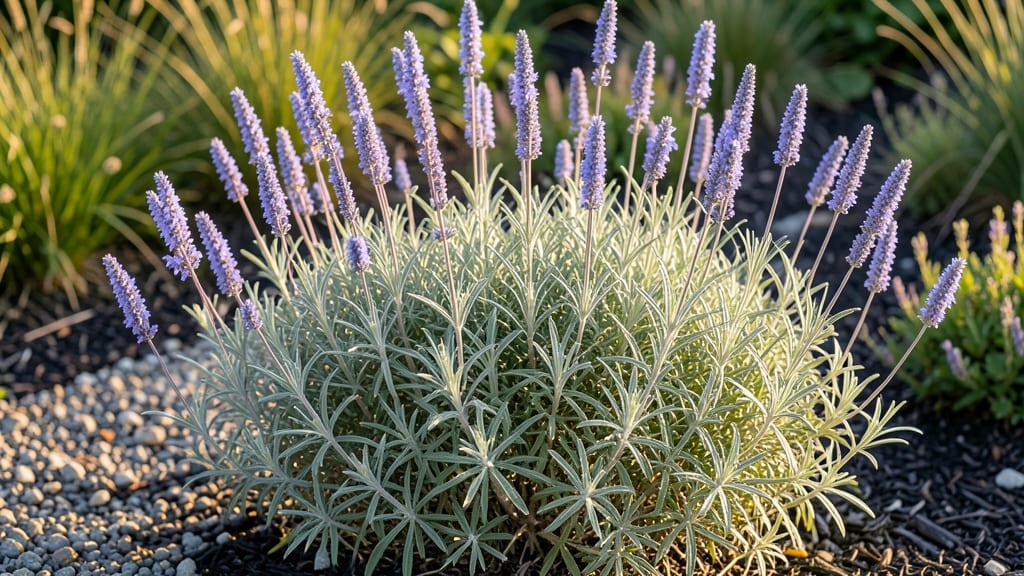
When does Russian Sage flower? The answer transforms your garden into a fragrant, lavender-blue dream—but timing is everything. If you’ve ever waited patiently for those signature spikes to appear only to be left wondering, "Why isn’t my plant flowering yet?", you’re not alone.
The answer lies in understanding its natural rhythm, which shifts dramatically depending on where you live and how you care for it.
For most gardeners in USDA Zone 6a and beyond, Russian Sage typically kicks off its 4-6 week flowering spectacle in July, though early bloomers might surprise you as soon as June.
But here’s the catch: regional climates, sunlight exposure, and even last winter’s chill can push those blooms earlier—or delay them entirely. The key to unlocking consistent, vibrant flowers? Learning how to read your plant’s seasonal cues and adjust your care accordingly.
What if I told you that a few simple tweaks—like pruning at the right time or adjusting your watering schedule—could extend those blooms well into September?
Whether you’re a first-time grower or a seasoned gardener, this guide will help you pinpoint exactly when to expect those signature spikes and how to keep them coming back year after year.
Let’s dive into the science (and secrets) behind Russian Sage’s flowering timeline, so you can enjoy its beauty without the guesswork. Ready to turn your garden into a late-summer showstopper?
Russian Sage flowering timeline by US hardiness zones: when to expect blooms
Russian sage (Perovskia atriplicifolia) is one of those magical perennials that rewards patient gardeners with months of lavender-blue blooms—but timing matters.
In my Zone 6 garden, I’ve seen blooms start as early as late June and stretch into October, while friends in Zone 9 report earlier starts in May. These differences aren’t random; they’re tied to USDA hardiness zones, temperature triggers, and even your local microclimate.
The key to predicting Russian sage blooms lies in understanding its dormancy cycle. This plant needs cold winter months (especially in warmer zones) to reset its growth hormones. Without proper chilling, it may produce fewer flowers or bloom later.
For example, a Zone 5 plant might need 60-90 days below 40°F to trigger robust flowering, while a Zone 8 plant could manage with just 30-45 days of cooler temps.
Sunlight also plays a critical role. Russian sage thrives in full sun (6+ hours daily), but intense afternoon heat in Zones 7-9 can stress plants, delaying blooms until late summer.
In contrast, cooler coastal zones (like Zone 9b) often see earlier blooms because moderate temperatures extend the growing season without heat stress.
Here’s how flowering windows vary across zones—and what you can do to optimize your plant’s performance:
Notice how cooler zones (5-6) have later starts but longer bloom seasons? That’s because Russian sage needs time to recover from winter dormancy. In warmer zones (8-9), blooms arrive earlier but may fade faster due to heat stress.
If you’re in Zone 9 and want to extend blooms, consider providing afternoon shade during peak summer months.
Microclimates can shift these timelines dramatically. For example, a Zone 7 garden near a large body of water might see blooms start in late May (cooler temps), while a dry, inland location could delay starts until June.
To check your microclimate, observe nearby plants: if coneflowers or lavender bloom earlier than your Russian sage, your area likely has warmer microclimate conditions.
Pruning also influences timing. If you shear back stems by half after flowering, you’ll encourage new growth that may produce a second, smaller flush of blooms in late summer—especially in Zones 5-7.
However, avoid heavy pruning in Zones 8-9; the plant needs all its energy to survive summer heat rather than produce extra flowers.
One common
5 Key factors that trigger Russian Sage blooming (and how to optimize them)
Russian Sage (Perovskia atriplicifolia) is famous for its fragrant lavender-blue blooms, but getting those 4-6 week flower spikes to appear reliably takes more than luck. The secret lies in understanding its natural triggers—five key factors that control when (and how long) your plant flowers.
From sunlight demands to winter chilling needs, each plays a critical role in unlocking your plant’s full potential. Let’s break down how to optimize these factors for earlier, longer, and more abundant blooms.
First, let’s address the elephant in the garden: sunlight exposure. Russian Sage is a sun worshipper, demanding at least 6-8 hours of direct sunlight daily. Without enough light, your plant will focus energy on leafy growth instead of flowers.
I’ve seen plants in shady spots produce almost no blooms, while those basking in full sun explode with color. If your garden lacks full sun, consider a south-facing location or even a raised bed to maximize exposure.
Here’s how to optimize each critical factor for peak blooming:
-
🌞 Sunlight Exposure
Russian Sage needs 6-8 hours of full sun daily. Without it, blooms won’t develop. Test your garden’s sunlight with a sunlight tracker app to find the sunniest spot. -
💧 Watering Schedule
Water deeply but infrequently—once a week in summer. Overwatering causes root rot, while underwatering stresses the plant. Aim for 1 inch of water per week, including rain. -
✂️ Pruning Techniques
Prune right after flowering to remove 1/3 of the plant. This encourages bushier growth and more blooms next season. Avoid heavy pruning in fall—it removes next year’s flower buds. -
🌍 Soil Conditions
Use well-draining soil with a pH of 6.0-7.5. Amend heavy clay with sand or gravel. Russian Sage hates soggy roots—ensure your garden has good drainage. -
❄️ Winter Chilling
Russian Sage needs 60-90 days of cold temps (below 40°F) to bloom. In mild winters (Zones 8-9), artificial chilling or moving pots to a cooler garage can trigger blooms.
Now, let’s talk about watering schedules, which are often misunderstood. Russian Sage is drought-tolerant once established, but that doesn’t mean you should neglect it entirely. Overwatering is a common mistake that leads to root rot and fewer blooms.
Instead, water deeply—about 1 inch per week—and let the soil dry out between waterings. In containers, check the top inch of soil; if it’s dry, it’s time to water.
I’ve seen plants in pots thrive with bi-weekly watering in summer, while in-ground plants often need watering only once a week.
Pruning is another game-changer for longer and more frequent blooms. Many gardeners skip pruning, but timing is everything. The best time to prune Russian Sage is right after flowering, typically in late summer or early fall.
Cut back the stems by one-third to encourage bushier growth and more flower spikes next season. Avoid pruning in late fall or winter, as this removes next year’s flower buds. Pro tip: Use clean, sharp shears to avoid tearing stems, which can invite disease.
Don’t overlook soil conditions, which directly impact your plant’s ability to thrive. Russian Sage prefers well-draining, slightly alkaline soil with a pH between 6.0 and 7.5. If your soil is heavy clay, amend it with sand or gravel to improve drainage.
A quick soil test (available at garden centers) can reveal if your soil needs adjustments. I once had a Russian Sage struggling in clay soil—after adding perlite and compost, it bloomed twice as much the following year.
Finally, winter chilling is the often-overlooked secret to consistent blooming. Russian Sage is a cool-season plant that requires 60-90 days of temperatures below 40°F to trigger flower buds. In warmer climates (Zones 8-9), your plant might skip flowering entirely without this chilling period.
If you live in a mild winter zone, try moving potted plants to a cooler garage or shade house for a few months to mimic winter conditions. This simple trick can make the difference between no blooms and a stunning display.