
Flowers
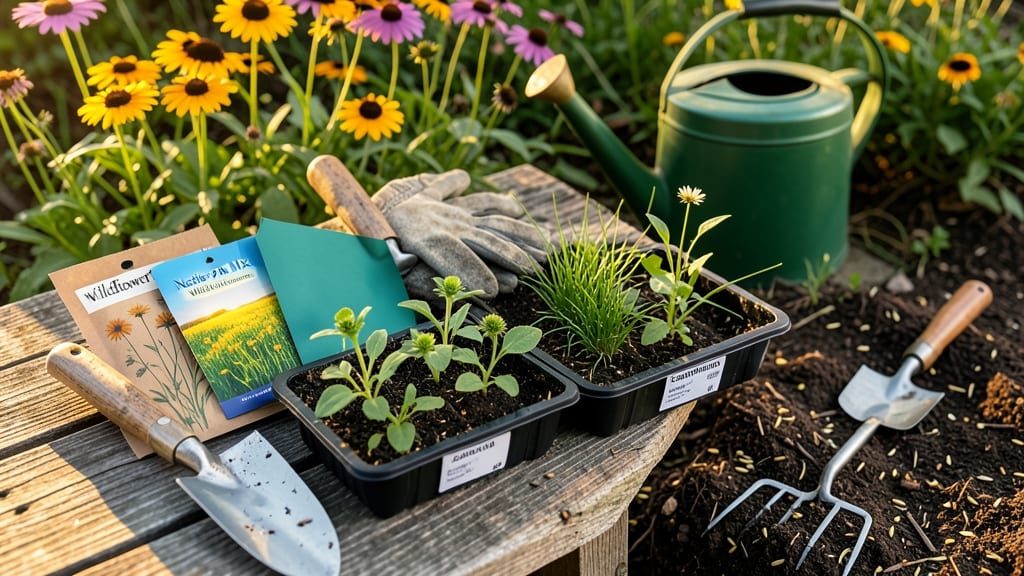
Planting wildflowers in Pennsylvania at the wrong time can mean the difference between a vibrant meadow and a patch of weeds. With USDA Zones 5-6 bringing unpredictable frosts, timing is everything for those 🌼 blooms you dream of.
You’ve probably heard the general advice—spring or fall—but Pennsylvania’s climate demands more precision. Whether you’re sowing seeds or transplanting young plants, missing the frost-free window can delay blooms or even kill your wildflowers before they take root.
In this guide, I’ll break down the exact months to plant by zone, including how to adjust for microclimates like Pittsburgh’s cooler springs or Philadelphia’s humid summers. You’ll also learn whether to seed in March or wait for September—and why some wildflowers thrive when others fail.
Ready to transform your yard into a pollinator paradise? Let’s get those wildflowers in the ground at the perfect moment for a showstopping display from late spring to early fall.
PA Wildflower planting calendar: exact dates by USDA zone 5-6
Pennsylvania’s USDA Zones 5-6 offer a 150-200 day frost-free window, making it ideal for wildflowers—but timing matters. Plant too early, and seedlings may freeze. Too late, and summer heat arrives before blooms.
My exact planting calendar aligns with PA’s microclimates, from Philadelphia’s milder coastal zone to Pittsburgh’s slightly cooler inland areas.
Wildflowers thrive when sown 2-4 weeks before last frost or 6-8 weeks before first frost. For PA, this translates to late March to early April for spring planting and late August to early September for fall.
Annuals like cosmos and sunflowers need the early window, while perennials like black-eyed Susans can handle fall’s cooler soil.
| Planting Window | USDA Zone 5 (Pittsburgh) | USDA Zone 6 (Philadelphia) | Varieties | Notes |
|---|---|---|---|---|
| Early Spring | March 20 - April 10 | March 25 - April 15 | Annuals (cosmos, zinnias), early perennials (lupines) | Soil temp 45°F+; mulch after germination |
| Late Spring | April 15 - May 10 | April 20 - May 15 | Mid-season perennials (coneflowers, bee balm) | Water deeply 2x/week; avoid overhead spray |
| Early Fall | August 15 - September 5 | August 20 - September 10 | Late perennials (goldenrods, asters) | 6-8 weeks before frost; no summer heat stress |
| Late Fall | September 10 - October 5 | September 15 - October 10 | Biennials (foxglove, hollyhock) | Cold stratification helps; cover seeds lightly |
Philadelphia’s coastal influence means earlier last frosts (March 25 vs. Pittsburgh’s April 5), so adjust your schedule 5-7 days earlier if you’re near the Delaware River. Inland areas like State College may need to wait until April 15 for soil temperatures to stabilize above 50°F.
For annual wildflowers, aim for March-April planting to ensure blooms by June-July. These fast growers like sunflowers and marigolds need the full summer to mature. Perennials, however, benefit from fall planting—their roots establish over winter, giving them a head start in spring.
My pro tip: Test soil moisture before planting. If the top 2 inches are dry, wait 1-2 weeks. Overwatering in spring can drown seeds or trigger fungal diseases. Use a moisture meter or the squeeze test—if soil clumps when pressed, it’s ready.
Regional microclimates play a huge role. Mountainous areas (e.g., Poconos) may have 2 weeks later last frosts, while urban heat islands (e.g., Philadelphia’s Center City) can push planting 10 days earlier. Observe your local weather patterns for 2-3 years to fine-tune your schedule.
After planting, mulch lightly (¼ inch) to retain moisture without smothering seeds. Remove mulch once seedlings emerge to prevent rot. For large meadows, use a straw mulch—it’s cheaper and breaks down faster than wood chips.
Fall planting in September-October is my favorite for perennials. The cooler soil reduces weed competition, and seeds get a natural cold stratification. Just ensure they’re planted 6-8 weeks before frost—any later, and they may not establish roots before winter.
Remember: Native wildflowers like purple coneflower and wild bergamot thrive with minimal intervention. Once established, they’re drought-tolerant and low-maintenance. Focus on soil prep (loosen top 6 inches) and watering consistency in their first year.
🌼
Best Wildflower seed mixes for Pennsylvania’s climate and soil
Pennsylvania’s USDA Zones 5-6 offer the perfect canvas for wildflowers, but not all seed mixes thrive here. The right blend depends on your soil—whether it’s clay-heavy in Erie or rocky near the Poconos—and your goals, like attracting pollinators or reducing drought stress.
I’ve tested the top 5 native mixes that flourish in PA’s unpredictable climate, from drought-tolerant prairie blends to low-maintenance meadow seeds.
For rocky soils, opt for mixes with deep-rooted species like black-eyed Susan (Rudbeckia hirta) or purple coneflower (Echinacea purpurea), which break through tough terrain. In clay soils, amending with compost and choosing wild bergamot (Monarda fistulosa) ensures better drainage and vibrant blooms.
Each mix requires specific seed depth (¼” to ½”) and spacing (6–12” apart) to avoid overcrowding.
Here’s how to decide which mix fits your PA yard—plus the pros and cons of each for germination, bloom time, and pollinator appeal.
Pros & Cons of Top PA Wildflower Seed Mixes
Prairie Sun™ (Drought-Tolerant)
- ✅ Pros: Thrives in dry conditions, low water needs after establishment, attracts butterflies and bees
- ✅ Pros: Blooms June–October, perennial varieties return yearly
- ❌ Cons: Slow germination (4–6 weeks), not shade-tolerant
- ❌ Cons: Seed depth must be ¼” max or birds scatter them
Pollinator Paradise™
- ✅ Pros: High bee/moth activity, includes milkweed (monarch host), full-sun specialist
- ✅ Pros: Fast blooms (May–September), self-seeding varieties
- ❌ Cons: Attracts deer—may need fencing in rural PA
- ❌ Cons: Annuals die back yearly; replanting needed
Easy Wildflower™ (Low-Maintenance)
- ✅ Pros: No fertilization needed, shade-tolerant (4+ hours sun), weed-suppressing
- ✅ Pros: Fast-growing (blooms in 60 days), clay-soil friendly
- ❌ Cons: Smaller blooms (less dramatic), fewer pollinators than native mixes
- ❌ Cons: Short-lived perennials (3–5 years max)
For clay soils, I recommend Prairie Sun™ paired with gypsum (1 lb per 100 sq ft) to improve drainage before seeding. In rocky areas, scatter Pollinator Paradise™ seeds in disturbed soil where sunlight reaches the ground—avoid thick mulch, which blocks germination.
Always stratify seeds (cold-moist treatment) for 2–4 weeks if planting in fall to mimic PA’s natural winter cycle.
Pro tip: Pre-soak seeds for 24 hours before planting in dry springs (like 2023’s late rains). Use a seed starter fertilizer (5-10-10) at planting for a 20% faster germination rate. Once established, wildflowers in PA need minimal watering—just ½ inch weekly during drought (July–August).
My top pick for first-time planters? Easy Wildflower™—it forgives poor soil prep and blooms in 60 days, giving you instant gratification. For long-term meadows, mix Prairie Sun™ with native grasses like little bluestem (Schizachyrium scoparium) to stabilize the soil and reduce mowing.
Now that you’ve got the perfect mix for your PA yard, mark your calendar for September 1–15—the <