
Flowers
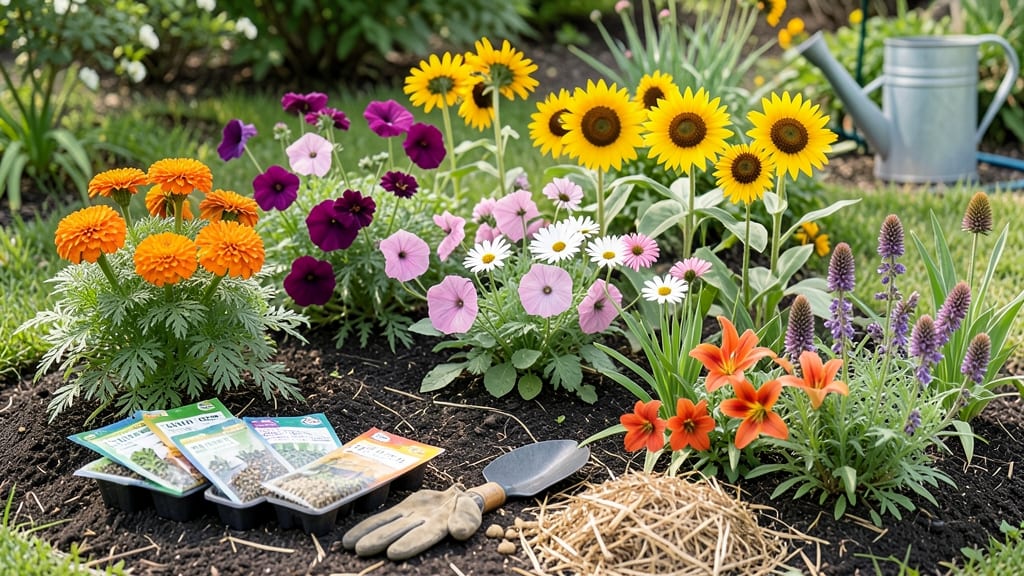
Planting flowers in Oklahoma at the wrong time can mean the difference between a vibrant garden and a sad, frost-killed mess.
Knowing the exact last frost dates for your city is the key to timing your flower beds perfectly—whether you're growing annuals for bold summer color or perennials that return year after year.
Oklahoma's climate varies wildly from north to south, with cities like Oklahoma City and Tulsa often facing late spring frosts that can sneak in as late as April. Meanwhile, southern regions like Lawton might be frost-free by early March.
Without this timing down, you risk losing your hard work—or worse, waiting too long and missing the best planting window entirely.
I’ve dug into the data to give you the most reliable planting windows for your specific area, so you can start seeds indoors or pop those bulbs into the ground at the perfect moment.
Whether you're a seasoned gardener or just starting out, these city-specific frost dates will help you avoid common mistakes and get your flowers blooming on schedule.
Ready to transform your garden? Let’s break down the best times to plant flowers in Oklahoma—plus pro tips for adjusting to unexpected frost and making the most of your growing season.
Oklahoma last frost dates by city: critical planting windows for annuals and perennials
Oklahoma’s last frost dates can vary dramatically between cities—sometimes by weeks—making it critical to know your exact planting window. In Oklahoma City, the average last frost date is March 20, while Tulsa sees its final freeze around March 25.
These differences matter because annuals like marigolds need warm soil to thrive, while perennials like black-eyed Susans can handle cooler temperatures.
For annual flowers, wait until 2 weeks after the last frost to plant heat-loving varieties like petunias or geraniums. Perennials, however, can often tolerate cooler soil and may be planted 1-2 weeks earlier once the ground is workable.
Understanding these nuances ensures your garden blooms on schedule without frost damage.
Here’s how your city’s last frost dates compare—and what flowers to prioritize for each zone:
| City | Last Frost Date (Avg.) | First Frost Date (Avg.) | Best Time to Plant Annuals | Best Time to Plant Perennials | Top Flowers for Zone |
|---|---|---|---|---|---|
| Oklahoma City | March 20 | November 10 | April 10 | March 15 | Zinnias, Coneflowers, Black-Eyed Susans |
| Tulsa | March 25 | November 5 | April 15 | March 20 | Salvia, Coreopsis, Russian Sage |
| Norman | March 18 | November 12 | April 5 | March 10 | Lantana, Pentas, Marigolds |
| Lawton | March 22 | November 8 | April 12 | March 18 | Gaillardia, Blanket Flower, Bee Balm |
| Stillwater | March 15 | November 15 | April 1 | March 5 | Dahlias, Hollyhocks, Snapdragons |
Notice how Norman’s last frost comes 2 days earlier than Oklahoma City’s? That’s why annuals like dahlias can be planted a week sooner in Norman. Meanwhile, Tulsa’s later frost date means gardeners there should hold off until April 15 for heat-sensitive tropical flowers like hibiscus.
For perennials, the rule shifts: plant as soon as soil is workable (usually 2-3 weeks before the last frost). Black-eyed Susans and coneflowers thrive when rooted early, so Oklahoma City gardeners should get them in by March 15.
In Lawton, wait until March 18 to avoid frost nibbles on tender new growth.
Pro tip: Use row covers or cold frames to extend your planting window by 1-2 weeks in early spring. This is especially useful for tender annuals like petunias, which can’t handle even light frost. Just remove covers once daytime temps hit 70°F consistently.
Oklahoma’s first frost dates also vary—Tulsa’s November 5 cutoff means gardeners there should harvest or protect sensitive perennials by October 20. In contrast, Stillwater’s later frost (November 15) gives gardeners 2 extra weeks to enjoy late-season blooms like asters or chrysanthemums.
To maximize your garden’s potential, align your planting schedule with your city’s frost dates and your flowers’ cold tolerance. Hardy perennials like daylilies can handle 32°F temps, while tropical annuals like begonias need 55°F+ soil to thrive. Check soil temps with a thermometer—aim for 60°F+ before planting heat-lovers.
How to adjust planting times for Oklahoma’s microclimates and frost quirks
Oklahoma’s frost patterns can be as unpredictable as a tornado warning—one day warm and sunny, the next a surprise freeze that wipes out tender seedlings.
The key to success is understanding how to adjust planting times based on your specific microclimate and using tools like row covers or cold-hardy varieties to extend your season.
I’ve learned the hard way that planting too early in northern Oklahoma City can mean frost-killed cosmos, while waiting until May in Tulsa might miss the best blooming window entirely.
Even within a single city, neighborhoods can vary by 5-10 days in frost dates. A south-facing slope warms up faster than a low-lying area, and urban heat islands can delay frost in downtown areas.
The solution? Start with your local last frost date, then modify based on these practical adjustments that have worked in my Oklahoma garden for years.
⚠️ callout warning ⚠️
🌱 Don’t Trust "Average" Frost Dates!
Oklahoma’s last frost dates can shift by 2 weeks from year to year. Instead of planting based on averages, use these real-time tricks:
- Wait until soil reaches 60°F (use a soil thermometer)
- Plant cold-hardy annuals 2 weeks early (like pansies or snapdragons)
- Avoid planting heat-lovers (like marigolds) until after May 15 in northern OK
Pro Tip: Check your USDA Zone (6b-8a) and adjust planting dates 1 week earlier per zone if you live in a warmer microclimate.
For gardeners in USDA Zone 7a (like Oklahoma City), I recommend starting tender annuals like petunias and geraniums indoors by mid-March, then transplanting after your true last frost date—which is often April 15 or later.
In Zone 8a areas (southern Oklahoma), you can plant heat-loving flowers like lantana and zinnia as early as March 1, but always have row covers ready for late frosts.
One of my biggest mistakes was planting summer-blooming flowers like black-eyed Susans too late in the season. These need 60-90 days of warm weather to establish and flower, so planting them after June 1 in northern Oklahoma means you’ll miss most of the blooming season.
Instead, I now plant them in early May and use mulch to keep roots cool during Oklahoma’s brutal summer heat.
To extend your season, I swear by floating row covers (like Reemay fabric) for tender plants. These can push your planting window 2-3 weeks earlier in spring and 2 weeks later in fall. Just remember to remove them during the day when temperatures rise above 75°F to prevent overheating.
For bulbs like tulips and daffodils, I plant them in late October—well before the first frost—to give roots time to establish before winter.
Finally, pay attention to soil temperature, not just air temperature. Use a soil thermometer to confirm when your soil has warmed to 60°F—this is the magic threshold for most flowers to germinate.
In my garden, this often means waiting until mid-April in northern Oklahoma, even if the air feels warm. For cold-hardy perennials like coneflowers or black-eyed Susans, I plant them in early spring (March) and let them establish before Oklahoma’s summer heat arrives.