
Flowers
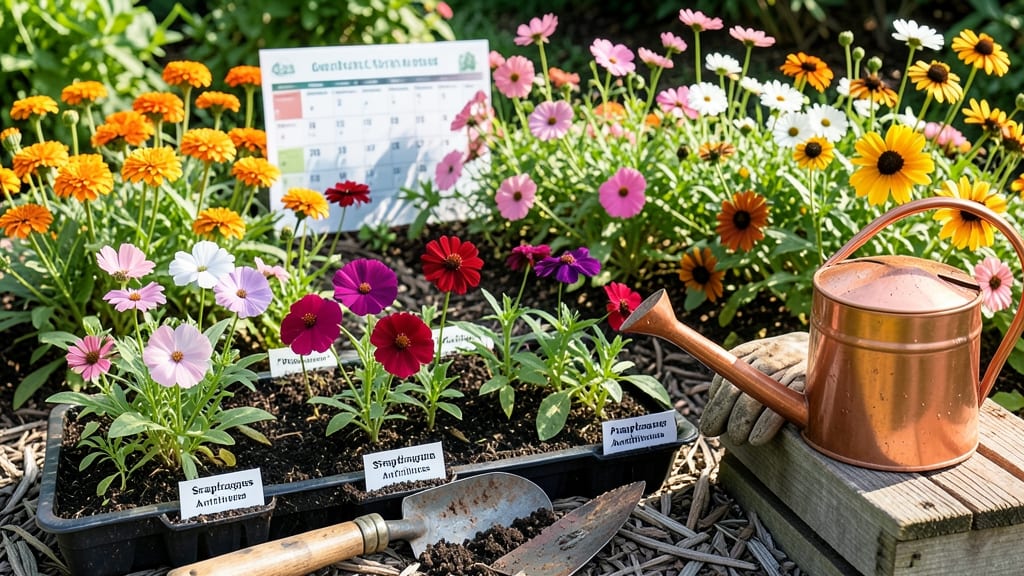
Planting flowers in Georgia at the wrong time can turn your garden dreams into a wilting mess—especially when frost sneaks in or heat zaps your blooms before they even open.
The key to success isn’t just picking the right 🌸 varieties; it’s knowing when to plant them so they thrive in Georgia’s 7a-9a climate zones, where last frosts linger in March and first frosts arrive by November.
I’ve learned the hard way that timing matters more than soil prep or watering schedules. Whether you’re dreaming of vibrant spring petunias or fiery fall salvias, planting too early risks frost damage, while waiting too long can leave you with sparse blooms.
The solution? A heat zone map tailored to Georgia’s regions—coastal areas, Piedmont hills, and everything in between.
In this guide, I’ll break down the exact months to plant annuals, perennials, and bulbs for each zone, plus how to adjust for microclimates (like shady spots or urban heat islands).
You’ll discover why late February to early April is prime for spring bloomers and how August-September sets the stage for fall color—without the guesswork.
Ready to turn your Georgia garden into a year-round paradise? Let’s dive into the frost-free planting calendar that’ll keep your flowers blooming from March to November—and beyond.
Georgia’s heat zones explained: best planting months by flower type
Georgia’s USDA Hardiness Zones 7a-9b create a gardener’s dream—but only if you plant flowers at the right time. The state’s long growing season and variable frost dates mean annuals, perennials, and bulbs each need different timing.
North Georgia (Zone 7a) has earlier frosts (mid-November to late March), while South Georgia (Zone 9b) enjoys year-round warmth with rare frost risks. Mastering these zones ensures vibrant blooms without frost damage.
Spring is the golden window for most flowers, but fall planting is equally critical for bulbs and heat-tolerant annuals. The key? Start annuals 2-4 weeks after your last frost date (typically late February to early April in North GA, January to March in South GA).
Perennials thrive when planted in early spring (March-April) before summer heat sets in, while bulbs need fall planting (October-November) to establish roots before winter.
Here’s your quick-reference guide to Georgia’s heat zones, frost-free dates, and ideal planting windows by flower type:
| Flower Type | Heat Zone | Best Planting Month | Frost-Free Window | Key Notes |
|---|---|---|---|---|
| Annuals (e.g., Petunias, Marigolds) | 7a-9b | Late Feb - Early Apr (Spring) / Aug - Sep (Fall) | After last frost (Mar-Apr) / Before Oct frost | Wait for soil temps >60°F; mulch for heat protection |
| Perennials (e.g., Lavender, Coneflowers) | 7a-8b | Early Mar - Mid-Apr | Before summer heat peaks | Plant in partial shade for Zone 9b; full sun for 7a-8a |
| Spring Bulbs (e.g., Tulips, Daffodils) | 7a-9a | Oct - Nov (Fall) | 6-8 weeks before first frost | Zone 9b: Plant in Dec-Jan; avoid soggy soil |
| Summer Bulbs (e.g., Dahlias, Cannas) | 8a-9b | Apr - May (After frost) | Soil temps >55°F | Stake tall varieties; mulch heavily in Zone 8a |
| Native Wildflowers (e.g., Black-Eyed Susans) | 7a-9b | Late Feb - Early Apr | After last frost | Drought-tolerant; minimal care after establishment |
For Zone 7a gardeners (North GA), focus on cool-season annuals like pansies and snapdragons in spring, then transition to heat-lovers like zinnias and lantana by June. In Zone 9b (South GA), you can plant year-round, but prioritize fall planting (August-September) for bulbs and perennials to avoid summer stress.
Always check your local frost dates—Atlanta’s last frost averages March 15, while Savannah rarely sees frost.
Pro tip: Use row covers or cold frames to extend your planting window in Zone 7a. In Zone 9b, shade cloth protects tender annuals from intense summer sun. Both tricks let you bloom longer without frost or heat damage.
Bulbs are the easiest flowers to time—just plant them 6-8 weeks before your first frost. In North GA, that’s October-November; in South GA, December-January works. For perennials, early spring planting (March-April) gives roots time to establish before summer’s 100°F+ heat.
Annuals are the most flexible but need soil warmth—wait until after the last frost and when soil reaches 60°F.
Don’t forget microclimates! A south-facing slope warms faster than a north-facing yard, while urban areas stay 5-10°F warmer than rural spots. Adjust planting dates 1-2 weeks earlier in these hotter pockets.
For example, Atlanta’s downtown (Zone 8a) can support tropical annuals like hibiscus year-round, while mountain towns (Zone 7a) need hardier varieties like coreopsis.
Start with one heat zone and one flower type to master timing. Try planting petunias in April (Zone 7a) or marigolds in March (Zone 9b) as your first test. Once you nail the basics, experiment with extended-season varieties like
Top 10 flowers to plant in Georgia by season (with exact dates)
Georgia’s long growing season means you can enjoy blooms nearly year-round, but timing is everything—especially when transitioning between seasons.
I’ve planted flowers for years in North GA’s cooler hills and South GA’s humid lowlands, and the difference between a thriving garden and a sad one often comes down to when you put those seeds in the ground.
Let’s break down the best months for each season, adjusted for Georgia’s Heat Zones 7a-9a.
Spring is all about cool-season annuals and hardy perennials, while summer demands heat-loving powerhouses like zinnias. Fall? That’s when mums and salvias steal the show. But don’t just follow a generic calendar—adjust for your microclimate (urban heat islands, shady spots, or high-altitude areas).
🌱 Georgia Flower Planting Calendar by Season
- 🌸 Spring (Feb–Apr): Pansies (Feb 15–Mar 15), Petunias (Mar 1–Apr 15), Snapdragons (Mar 15–Apr 10). Wait until soil warms to 60°F.
- ☀️ Summer (May–Jul): Marigolds (Apr 15–May 30), Zinnias (May 1–Jun 15), Lantana (Apr 1–May 10). Direct-sow after last frost.
- 🍂 Fall (Aug–Sep): Mums (Aug 1–Sep 15), Asters (Jul 15–Aug 30), Salvia (Jul 1–Aug 10). Plant 6–8 weeks before first frost.
- 🌿 Winter (Oct–Dec): Bulbs (tulips, daffodils) (Oct 1–Nov 15). Plant before ground freezes.
📍 Adjust dates 2–4 weeks earlier for South GA (warmer) or later for North GA (cooler).
For North Georgia gardeners (think Zone 7a in the mountains), hold off on planting tender annuals like petunias until mid-April—frost can linger into March.
In South Georgia (Zone 8b-9a), you can start marigolds and zinnias in March and enjoy longer fall blooms by planting mums in July instead of August.
Don’t forget microclimates: A shady spot might need partial-shade lovers like impatiens, while a sun-drenched patio is perfect for lantana or salvia. I once killed a batch of pansies by planting them too early in a low-lying area that frosted overnight—learn from my mistake!
Pro tip: Use mulch after planting to retain soil moisture and regulate temperature. For summer flowers, add a 2-inch layer of straw mulch to protect roots from heat stress. And always water deeply in the morning to prevent fungal issues—especially in Georgia’s humid summers.
With these seasonal guidelines, you’ll avoid the common pitfalls of frost damage or wilting under summer heat. Whether you’re a beginner gardener or a seasoned pro, these exact planting dates will help you create a garden that blooms beautifully from spring to fall. 🌷