
Flowers
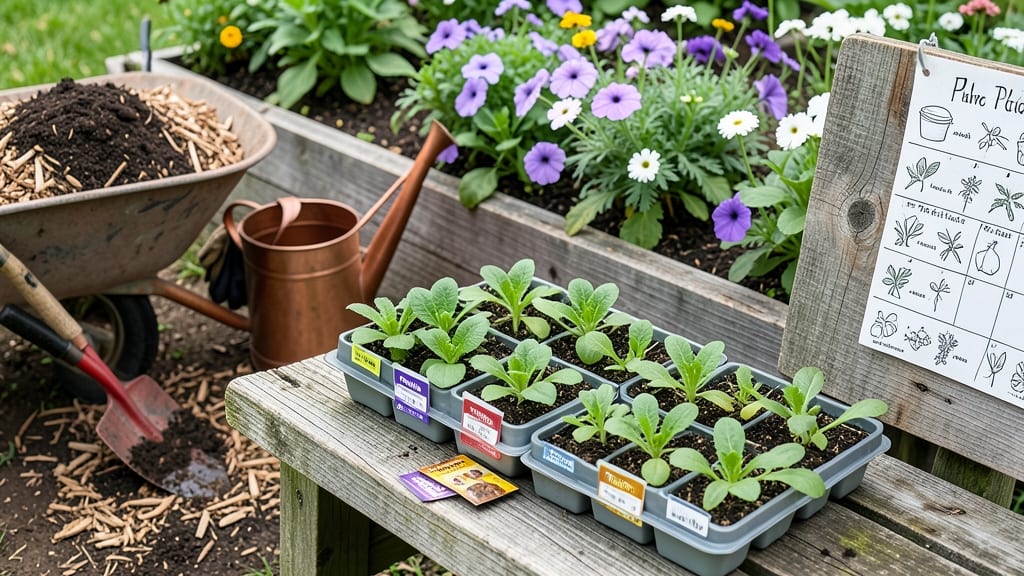
Timing your flower planting in South Carolina can make or break your garden's success—especially when unpredictable late frosts sneak in and wipe out your hard work. 🌸 Whether you're a seasoned gardener or just starting, knowing the exact windows for planting annuals, perennials, and bulbs is the key to a showstopping display.
With USDA Zones 7b-9a across the state, the right timing varies from the coast to the Upstate. Plant too early, and frost will nip your blooms before they even open.
Plant too late, and summer heat might stress delicate varieties before they establish roots. The secret lies in understanding your local frost dates and adjusting your schedule accordingly.
In this guide, I’ll break down the ideal planting months for every region—from Charleston’s milder coastal climate to Greenville’s slightly cooler Upstate—so you can time your plantings like a pro. You’ll learn when to sow seeds, transplant seedlings, and even how to extend your blooming season with succession planting.
Ready to transform your garden into a year-round paradise? Let’s dive into the exact strategies that will help your flowers thrive, no matter where you are in South Carolina.
South Carolina heat zones: the best planting months by region
South Carolina's USDA Hardiness Zones 7b-8a create unique planting windows that can confuse even experienced gardeners. The coastal areas (Zone 8a) enjoy longer growing seasons, while Upstate regions (Zone 7b) face earlier frosts.
Understanding these zones helps you avoid late spring frosts that can wipe out tender annuals or kill off young perennials.
For annual flowers, timing is everything—plant too early, and frost will finish them off; too late, and you miss peak blooms. Perennials and bulbs have more flexibility, but even they benefit from strategic planting based on your local microclimate.
Let’s break down the best months for each zone to ensure your garden thrives year after year.
| Region | USDA Zone | Last Frost Date | Best Planting Window | Ideal Flowers |
|---|---|---|---|---|
| Coastal (Charleston, Hilton Head) | 8a | March 1 - March 15 | Late February - Early April (spring), August - Early September (fall) | Petunias, Impatiens, Zinnias, Salvia, Coreopsis |
| Piedmont (Columbia, Rock Hill) | 7b | March 15 - March 30 | Early March - Mid-April (spring), Late August - Early October (fall) | Marigolds, Snapdragons, Black-Eyed Susans, Coneflowers, Shasta Daisies |
| Upstate (Greenville, Spartanburg) | 7b | March 22 - April 5 | Mid-March - Late April (spring), Late August - Mid-October (fall) | Lantana, Pentas, Bee Balm, Daylilies, Phlox |
| Mountains (Caesars Head, Table Rock) | 7a | April 1 - April 15 | Late March - Early May (spring), Late August - Early November (fall) | Rudbeckia, Black-Eyed Susans, Coreopsis, Yarrow, Blanket Flower |
In Zone 8a, like Charleston, you can start planting annual flowers as early as late February for heat-loving varieties like petunias and zinnias. These areas enjoy 270+ frost-free days, giving you a longer window to experiment with tropicals like hibiscus or plumbago.
Just be cautious—coastal winds can stress young plants, so consider windbreaks or raised beds.
For Zone 7b gardeners in the Piedmont, like Columbia, aim to plant cool-season annuals by early March and warm-season flowers after April 15. Perennials like coneflowers and black-eyed Susans thrive here but need well-draining soil to avoid root rot during the humid summers.
Mulch heavily to retain moisture and regulate soil temperature.
Upstate regions in Zone 7b, such as Greenville, face slightly cooler temperatures and later last frosts around March 22.
This means you should wait until mid-April to plant heat-sensitive annuals like marigolds or snapdragons. Native perennials, such as bee balm and phlox, are excellent choices—they’re drought-tolerant and attract pollinators.
The mountain regions (Zone 7a), including Caesars Head, have the shortest growing season, with last frosts often lingering until April 15. Here, focus on hardy perennials like yarrow or blanket flower, which can handle cooler soils and shorter summers.
For annuals, stick to late April plantings and choose varieties that bloom quickly, like rudbeckia or coreopsis.
No matter your zone, fall planting is just as critical as spring. In Zone 8a, you can plant cool-season flowers like pansies or snapdragons until early November. In Zone 7b, aim for late August to early October, giving plants time to establish roots before winter.
This strategy ensures early spring blooms and extends your garden’s beauty.
Pro tip: Use <
Frost-free flower planting calendar: what to plant when
South Carolina’s mild winters and long growing season create perfect conditions for year-round blooms—but timing is everything. Planting too early risks frost damage, while waiting too long can leave your garden bare during peak summer heat.
The key is understanding cool-season and warm-season flowers and their ideal planting windows to ensure continuous color.
For cool-season flowers, focus on early spring and late summer plantings to avoid frost. These hardy varieties thrive in 50-70°F soil temperatures and can withstand light frosts.
Meanwhile, warm-season flowers demand soil temps above 60°F and should only be planted after the last frost date—typically mid-March to early April in most of the state.
- February-March: Start cool-season annuals like pansies, violas, and snapdragons indoors or in protected outdoor beds. Plant spring-blooming bulbs (daffodils, tulips) for early color.
- Late March-April: Transplant warm-season flowers (petunias, marigolds, zinnias) after the last frost. Begin succession planting every 2 weeks for continuous blooms.
- May-June: Add heat-tolerant annuals (lantana, salvia) and perennial seedlings. Mulch to retain moisture during dry spells.
- July-August: Plant fall-blooming bulbs (crocus, fall daffodils) and cool-season annuals for late-summer color. Start succession crops of cosmos and sunflowers.
- September-October: Extend the season with mums, asters, and ornamental kale. Plant spring-blooming bulbs for next year’s display.
Don’t overlook succession planting, a game-changer for nonstop blooms. By staggering plantings every 2-3 weeks (e.g., marigolds in April, June, and August), you’ll avoid gaps in your garden’s color palette. For example, cosmos sown in June will bloom just as early-season zinnias fade.
Pro tip: Use row covers or cold frames to extend the season for heat-sensitive varieties like impatiens or begonias. These tools can push planting windows by 2-4 weeks in cooler microclimates like the Upstate.
For perennials, early spring or fall planting gives roots time to establish before extreme heat or cold. Divide and transplant daylilies, coneflowers, and black-eyed Susans in September-October for robust growth next season.
Remember: Soil temperature matters more than air temperature. Use a soil thermometer to confirm 60°F+ for warm-season flowers. In coastal areas, you can plant 2-3 weeks earlier than inland regions—just check your local frost-free date!