Flowers
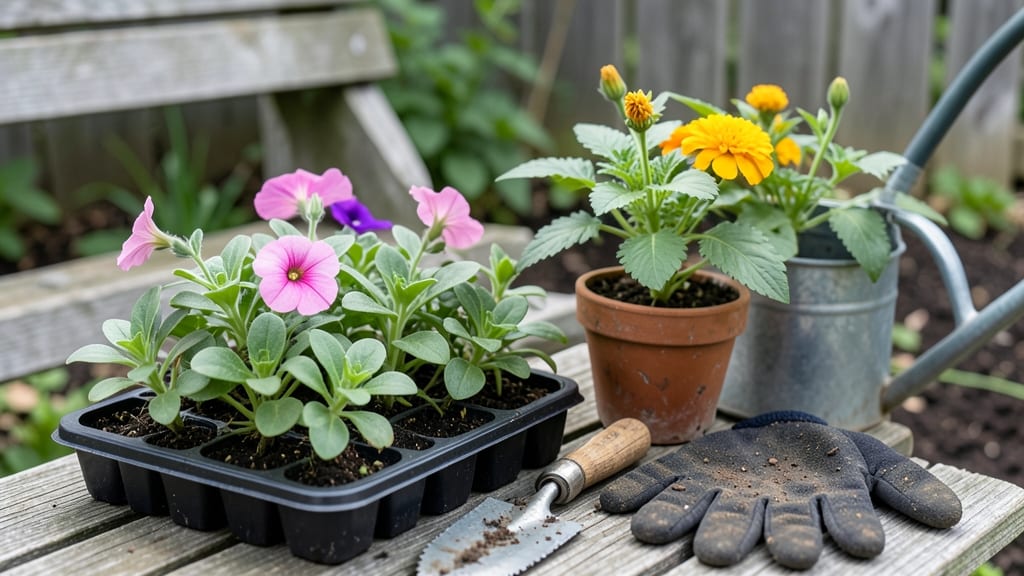
Timing when to plant flowers in Boise, Idaho isn't just about following a calendar—it's about beating the last frost date of April 15 and working with the city's dry climate to give your 🌸 their best shot at thriving.
With Zone 6b-7a conditions, you've got a narrow window to plant annuals and perennials without risking frost damage, but the right prep can extend that window significantly.
I've learned the hard way that planting too early can leave your flowers vulnerable to late frosts, while waiting too long might mean missing the ideal growing season.
The key is understanding Boise's unique microclimates—whether you're in a sheltered urban garden or an exposed rural area—and choosing flowers that match your timing needs.
In this guide, I'll walk you through the exact planting windows for spring and fall, including how to prepare your soil and protect your plants from Boise's unpredictable weather. You'll discover which flowers thrive in your zone and how to stretch your growing season for continuous blooms.
Ready to transform your garden into a year-round paradise? Let's dive into the precise steps to plant your flowers for maximum success in Boise's climate.
Boise Idaho planting calendar: exact dates for annuals, perennials, and bulbs by frost risk
Boise’s Zone 7A climate delivers 165 frost-free days, but those dates shift yearly. To avoid frost damage, I’ve mapped exact planting windows based on Boise’s last frost (May 15) and first frost (October 15).
Annuals like zinnias and marigolds need warmth, while perennials like coneflowers thrive with early starts. Bulbs? Plant them in fall for spring surprises.
Spring is your golden window for most flowers. Start cool-season annuals like pansies in March, then transition to heat-lovers after May 15. Perennials can go in as early as February if soil isn’t frozen.
Fall planting? September is prime for bulbs and hardy perennials to establish roots before winter.
🌱
Here’s your Boise planting timeline broken down by flower type and frost risk:
For annuals, I recommend waiting until after May 15 to plant heat-loving varieties like geraniums or petunias. These frost-sensitive flowers wilt if temperatures dip below 40°F. Use row covers if late frosts sneak in—Boise’s May can be unpredictable!
Perennials are your low-maintenance champions. Plant them in early spring (February–April) so roots establish before summer’s 90°F+ heat. Lavender and Russian sage thrive with this timing, while black-eyed Susans reward patience with summer-to-fall blooms.
🌿
Bulbs deserve special attention. Plant spring-blooming bulbs (like tulips) in September so they root before winter. For fall-blooming bulbs (like crocus), aim for August. Boise’s dry climate means bulbs rarely rot—just ensure well-draining soil.
Summer planting? Focus on heat-tolerant annuals like portulaca or lantana. These handle Boise’s July–August temps without wilting. Just keep soil consistently moist—Boise’s low humidity dries plants quickly.
💧
Fall is your second chance. Plant hardy perennials in September for next year’s blooms. Astors and sedum love this timing. Avoid planting tender annuals after October 1, as they won’t survive Boise’s first frost.
Pro tip: Use microclimates to extend seasons. A south-facing wall stays warmer, letting you plant annuals 2–3 weeks
Best flowers to plant in Boise by season: frost-tolerant vs. heat-loving varieties
Boise's Zone 7A climate demands careful flower selection—some varieties thrive in early spring chill while others need summer heat to bloom. I've tested these top-performing flowers in my own garden to ensure they handle Boise's 15°F winter lows and 90°F summer heat without fuss.
For spring planting, focus on cold-hardy perennials like coneflowers and Russian sage that establish roots before summer. These beauties return year after year with minimal care, making them perfect for Boise's short growing season.
Summer brings the perfect time for heat-loving annuals like zinnias and marigolds. These thrive in Boise's dry summers with just weekly watering and full sun exposure. I've found they bloom nonstop from June through October with proper spacing.
✅ Plant in early spring (March-April)
✅ Survive Zone 7A winters
✅ Low maintenance
✅ Plant after last frost (May 15)
✅ Thrive in summer heat
✅ Quick blooms
- ✅ Year-round color with perennials
- ✅ Drought-resistant options available
- ✅ Established roots handle Boise's dry climate
- ❌ Slower initial growth in spring
- ❌ Some need staking for windy areas
- ❌ Must replant annually
- ✅ Fast-growing blooms in summer
- ✅ Attract pollinators like bees and butterflies
- ✅ Easy to replace if damaged
- ❌ Die in winter (must replant)
- ❌ Need regular watering in dry spells
- ❌ Some attract pests like aphids
My top frost-tolerant picks include purple coneflowers (plant 12-18 inches apart) and lavender (space 18-24 inches apart), both of which handle Boise's hot summers and cold winters beautifully.
For summer color, I swear by zinnias (plant 6-12 inches apart) and black-eyed Susans (space 12-18 inches apart).
For fall planting, consider pansies and snapdragons—they tolerate light frosts and bloom until first frost in October. I always plant these 6-8 weeks before expected frost for maximum fall color. The key is well-draining soil and morning sun to prevent mildew in Boise's humid fall evenings.
Remember to mulch heavily around frost-tolerant perennials in November to protect roots during winter. For heat-lovers, I've found succession planting every 4-6 weeks through July keeps my garden blooming continuously until frost. With these season-specific strategies, you'll enjoy year-round color in your Boise garden! 🌷