
Flowers
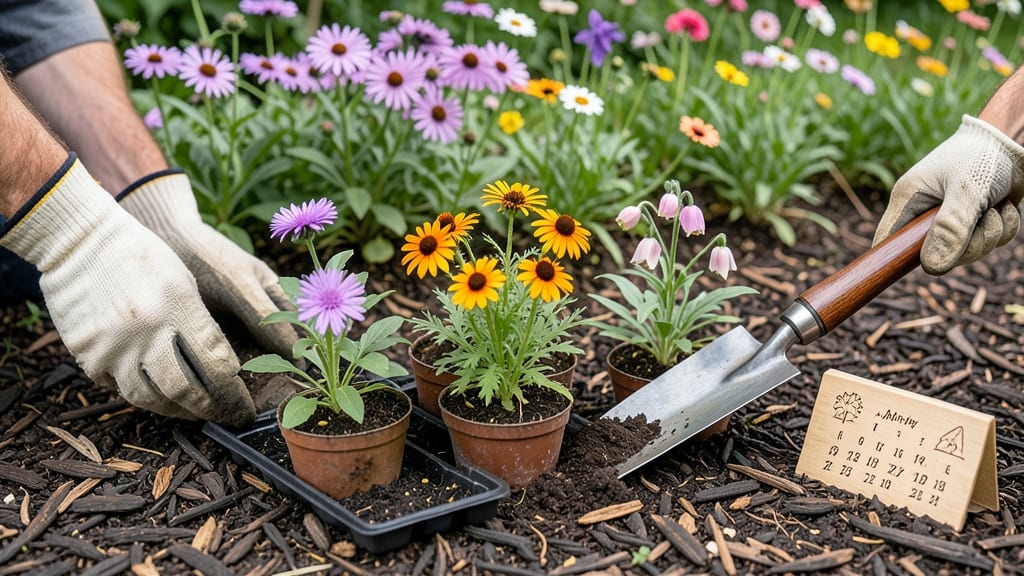
Timing your flower planting in New Hampshire can make or break your garden's success—especially when unpredictable frost dates loom like a shadow over your 🌱 blooms.
Whether you're in the milder southern regions or the cooler northern zones, knowing the exact window to plant ensures your flowers thrive instead of wither.
New Hampshire's climate, spanning USDA Zones 4 and 5, demands precision. Plant too early, and frost will nip your seedlings in the bud. Too late, and you might miss the optimal growing season entirely. The key lies in understanding your specific region's frost-free dates and adjusting your planting schedule accordingly.
In this guide, I'll break down the best times to plant annuals, perennials, and bulbs across NH's diverse microclimates. From the White Mountains to the coastal areas, you'll learn how to align your planting with nature's rhythm—no guesswork required.
Ready to transform your garden into a vibrant display? Let's dive into the exact frost-free timeline tailored for NH's unique growing conditions, so you can enjoy a flourishing garden from summer through fall.
New Hampshire frost-free dates by region: exact planting windows for Zone 4-5 flowers
New Hampshire’s Zone 4-5 climate demands precision when planting flowers—one late frost can wipe out tender seedlings. The state’s last average frost dates vary by 10-14 days between southern and northern regions, making local knowledge essential.
Whether you’re in Portsmouth’s coastal warmth or the White Mountains’ chillier air, these regional guidelines will help you time your plantings perfectly for vibrant blooms.
Southern NH (Zone 5), including Concord and Portsmouth, typically sees its last frost around May 10-15, giving gardeners a longer window to start warm-season flowers. Meanwhile, northern areas like the White Mountains (Zone 4) often wait until May 25-30 before the threat of frost passes.
Even within these averages, microclimates—like sheltered valleys or sunny slopes—can shift your planting window by a full week.
To account for NH’s unpredictable spring weather, I recommend using the 50% frost-free probability date from local sources like the NH Agricultural Experiment Station. This means there’s a 50% chance of no frost after this date, giving you a safer bet than relying solely on averages.
For example, Manchester’s last frost date hovers around May 18, while Laconia’s is closer to May 22—just six days apart but critical for timing.
🌱
Use these dates as a starting point, but always monitor your local weather forecasts and soil temperatures. A soil thermometer is your best friend—most flowers thrive when soil reaches 50-60°F.
For example, pansies and snapdragons can handle cooler soil (40°F), while marigolds and zinnias need warmer conditions (60°F+) to germinate successfully.
If you’re planting tender annuals like petunias or geraniums, wait until two weeks after your region’s last frost date to avoid disappointment. For perennials and bulbs, however, you can often plant as early as late March or April, as long as the ground isn’t frozen.
For instance, tulips and daffodils can be planted in fall or early spring—just cover them with mulch if late frosts are expected.
Don’t forget about microclimates—your garden might experience warmer or cooler conditions than the regional average. South-facing slopes warm up faster, while low-lying areas can stay colder longer. To test your microclimate, place a frost
Best flowers to plant early vs. late in New Hampshire’s season: a strategic guide
New Hampshire’s unpredictable spring weather means choosing the right flowers for early planting—and knowing which heat-lovers need to wait—is critical. Hardy annuals like pansies and snapdragons can handle cooler soil, while tender perennials like zinnias and marigolds need warmer temperatures to thrive.
The key is matching your planting timeline to NH’s Zone 4-5 frost dates.
For early spring planting (March-April), focus on cold-tolerant varieties that can handle 40-50°F soil temperatures. These include pansies, snapdragons, and sweet alyssum, which bloom even in cooler conditions.
Planting these too late risks stunted growth, while waiting too long for heat-loving annuals like zinnias or sunflowers can shorten their bloom time.
Here’s a quick comparison to help you strategize your NH flower garden for maximum impact:
| Flower Type | Best Planting Time | Soil Temp Requirement | Bloom Time | NH Zone Fit |
|---|---|---|---|---|
| Pansies | Early spring (March-April) | 40-50°F | Spring-Fall | Zones 4-5 |
| Snapdragons | Early spring (March-April) | 45-55°F | Summer-Fall | Zones 4-5 |
| Zinnias | Late spring (May-June) | 60°F+ | Summer-Fall | Zones 4-5 |
| Marigolds | Late spring (May-June) | 55°F+ | Summer-Fall | Zones 4-5 |
| Coneflowers | Early spring or fall | 45°F+ | Summer-Fall | Zones 3-8 |
| Black-Eyed Susans | Early spring or fall | 50°F+ | Summer-Fall | Zones 4-9 |
For late-season planting (May-June), prioritize heat-loving annuals like zinnias, cosmos, and marigolds. These thrive in NH’s warmer summer months and can even tolerate brief heatwaves. Perennials like coneflowers and black-eyed Susans are versatile—plant them in early spring or fall for year-round color.
Pro tip: Use row covers to extend early planting for heat-lovers by 2-3 weeks, especially in Zone 4 areas like the White Mountains. This gives tender plants a head start before NH’s unpredictable late spring frosts.
By aligning your planting schedule with these guidelines, you’ll create a continuous bloom from spring through fall—no matter where in NH you garden. Start with cold-hardy picks, then transition to heat-lovers as the soil warms, and enjoy a garden that adapts to NH’s ever-changing weather.